


When most small business owners think of Big Data analytics, the first image that often pops into their minds is dollar signs. This type of technology is fantastic and innovative, but it is also highly technical and can be expensive. Plus, it requires specialized knowledge and training, which means more employees to hire, more overhead, and more problems.
However, as Big Data technology continues to advance, it has actually become more practical and accessible for small businesses. More than half of companies today have adopted Big Data systems into their current strategies – a number that is rising as more and more businesses find sensible ways to incorporate this technology.
One area of marketing where small businesses can expect the most impact from data is in social media. Ad spending on social has only increased year over year, and 64% of companies are planning to spend a decent chunk of their time and marketing budget on this platform in the upcoming year. Big Data can make this type of digital advertising much more effective, and small business owners are becoming more comfortable with integrating it into their campaigns.
So, what ways can small businesses expect to see the biggest impact from Big Data analytics in their own social media marketing?
Deeper Look into Audience Sentiment
One of the most beneficial aspects of social media is that it allows businesses to truly understand who their audience is. Understanding your brand’s perception and your customer sentiment can be the key to getting more Instagram followers or building a larger Facebook audience. Knowing how people feel about your business and products can guide your efforts in the right direction. It can alert you if some good PR content is needed to turn sentiment around, or it can tell you if your current strategies are actually working.
Through social media monitoring, marketers have better insight into the demographics and makeup of their target customers. However, in the past, many small businesses were only able to scratch the surface and get a general idea of who their customers are – due to their limited access to large datasets.
However, many Big Data programs are now able to gather sentiment data straight from social media resources and transform Tweets, posts, and comments into actionable analytical reports.
This is done by setting up a Hadoop Distributed File System (HDFS) that stores data from multiple sources to create a thorough analysis. From there, API (application programming interfaces) can collect data from social platforms, like Twitter or Facebook, to measure current sentiment based on customer’s posts. Big Data analysis is then able to accurately determine the overall audience sentiment with machine learning technology to translate audience behavior and language into actionable insights.
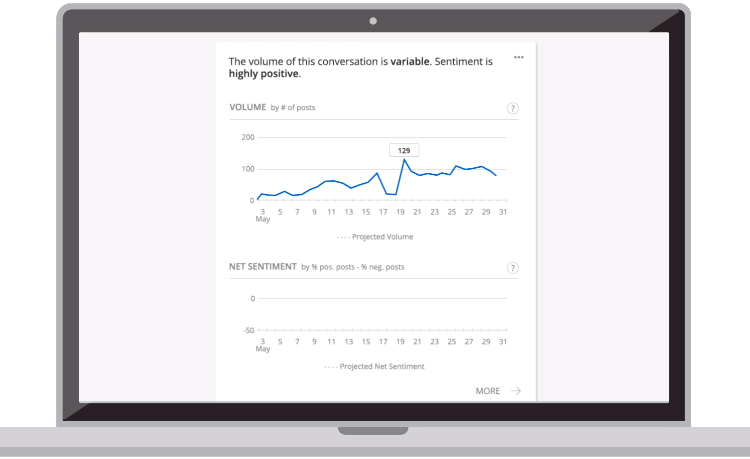
It is becoming easier than ever to set up this type of data system, and many SaaS companies offer programs to provide this service. For instance, tools like Crimson Hexagon and Lexalytics offer subscription-based services for sentiment analysis reports without the need for creating a complex HDFS. As access to sentiment and audience data becomes more accessible, we can expect to see small businesses use this information to their advantage and step up their game in terms of social media marketing.
True Personalization on the Small Scale
In previous years, many small businesses were not able to offer personalized social media experiences because they don’t have access to technical systems or the machine learning programs to apply the data correctly. However, many social media sites are now compiling audience data automatically for business accounts and providing information that is needed for personalized ad targeting.
For example, Facebook offers deep analytics that can help small businesses determine which ads are performing best in terms of reach and engagement, then break down current audiences into demographic categories. Facebook will even track ad engagement and provide insight into what times of day are best for reaching followers. Instagram and Twitter offer similar insights, and even platforms like Snapchat, LinkedIn, and Pinterest are now offering similar reports to help small businesses understand how to best target their customers and offer more relevant ads.
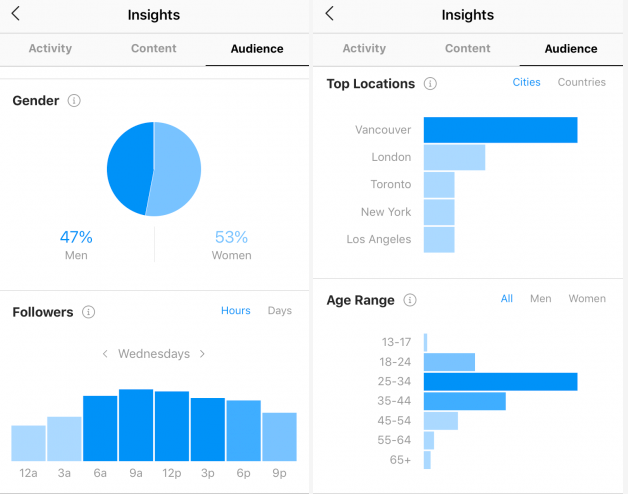
Small businesses will be able to target their customers more accurately based on their social media behavior as analytical programs become more accessible and affordable. AI-assisted tools can gather data based on your targeted audience’s actions to determine when and where to place the most relevant advertising for a more personalized experience.
More Big Data Tools for Small Entities
In the past, small businesses were usually unable to apply this highly-technical strategy for audience analysis. But as AI and machine learning becomes an integral part of modern digital marketing, many companies are starting to offer Big Data on a smaller scale.
There are many online systems and tools that small businesses can gain access to for virtually every part of their social media and marketing strategies. Business Intelligence tools are also offering flexible pricing plans based on your business’s size and the number of employees who need access to the data. Even some of today’s most popular CRM and marketing tools are beginning to incorporate AI capabilities, such as Salesforce’s Einstein and HubSpot’s AI-supported extensions.
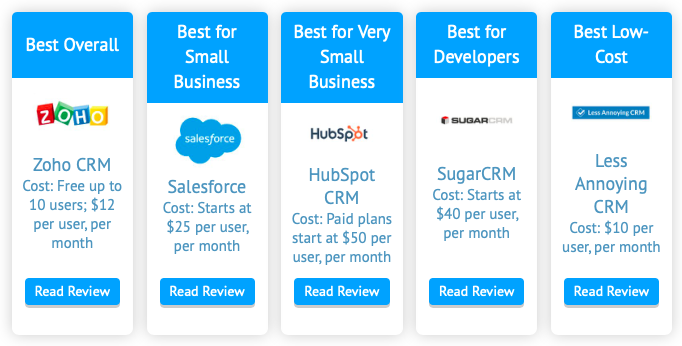
AI and Big Data have the power to transform a small business’s approach to social media marketing. Flexible pricing options allow companies to use this technology to its fullest extent without having to pick and choose only the features that fit into their budget. Offering the tools on systems that many larger companies are already using helps make this kind of technology even more accessible to businesses of all sizes.
Conclusion
Plain and simple, if small businesses want to remain competitive and relevant to their customers through social media, they will need to incorporate Big Data into their strategies. Big Data can bridge the gap to help marketers understand what their audience thinks and feels about the brand and what kind of content will be the most effective for conversions. As these tools become more accessible and affordable, we can expect to see small businesses taking advantage of and improving their social media marketing strategies to cater directly to their audiences.
