


Many marketing professionals think about CRM automations regarding business advantages ” higher ROAS, improved efficiency, and faster growth. But what about the customer‘s perspective?
Do AI-powered CRM platforms have an impact on the way customers interact with brands?
Yes.
And I have proof.
Today, I’ll share 4 of the major changes that pairing AI with CRM is bringing to the B2C table. Ready? Let’s dive in.
1. Higher demand for better (and speedier) communication
If your business still requires customers to communicate in person, by phone, or even by email (like those brands still in the stone age), then you’re in trouble. With the increasing number of options in the marketplace and the speed customers shift brands with, old-fashioned communication channels become a true business handicap.
Thanks to social media, customers are looking for faster, instant ways to reach you. Here’s where AI-powered CRM platforms come in.
For example, take a look at Track-POD’s website, a route planning software:
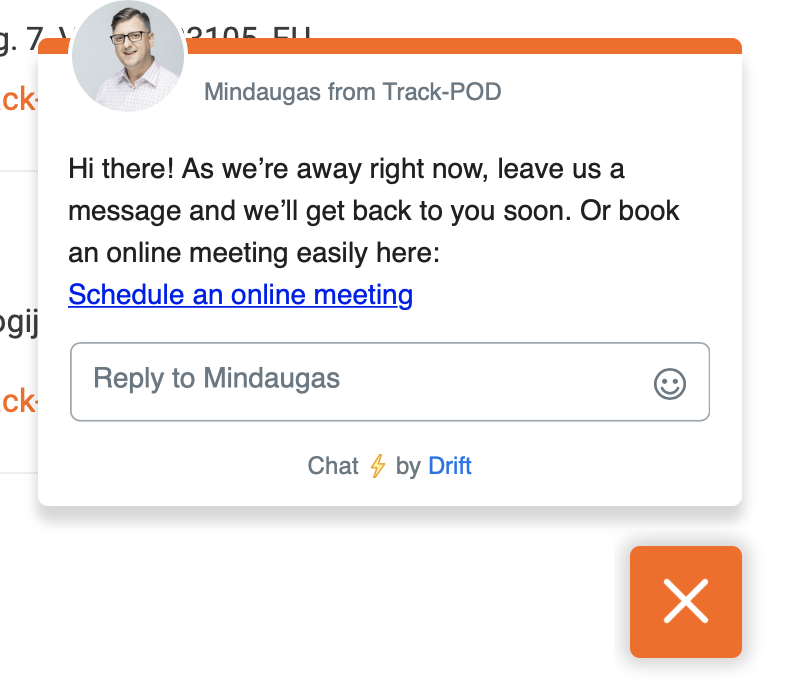
When you go on any of their website pages, you’ll immediately see an option to start a conversation with customer support.
The best part?
It‘s fast ” you can get a reply in just a couple of minutes. And even book a meeting with them. You can even see a history of your previous conversations with the support team.
Compare that to those annoying 45-minute phone calls with a grouchy rep and you’ll understand why customers love AI so much. In short, chatbots can both simulate human conversations and solve issues.
As customer interactions become increasingly more automated, instant-messaging and AI-powered knowledge bases can give you a competitive advantage.
2. Improved email marketing
AI won’t only transform customer service, but also promotional-based initiatives. For instance, companies like Reply.io are disrupting the way brands approach email marketing.
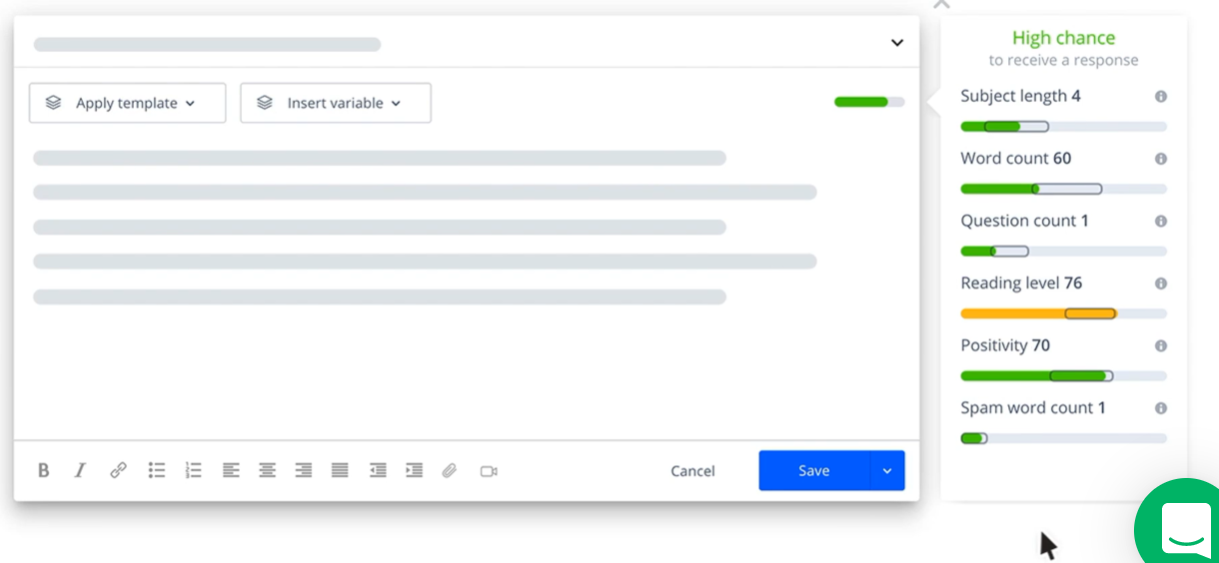
Their platform scores email copy based on past customer behaviors and best practices, aiming to increase open and reply rates. This way, you can craft emails that work better and delight customers at the same time. Email finder tools offer personalization templates that help you send emails confidently and quickly.
Even though this type of technology was created with the B2B user in mind, more B2C professionals are embracing this opportunity to produce better emails. For instance, by understanding the reading level of your copy, you can know whether your emails are right for your audience. Or, by knowing what type of subject lines get higher open rates, you can improve your campaigns and get the most out of your budget.
In the future, we’ll probably see an increasing number of CRM platforms adopting this type of technology.
3. More demand for (truly) personalized experiences
Personalized customer experiences aren’t a luxury anymore. A surprising study reveals that 9 out of 10 customers find personalization appealing. But personalization isn’t just about including a customer’s name in an email or dynamically updating your website copy to match a keyword search.
Customers are growing tired of those gimmicks. They’re now looking for a genuine, personalized experience that makes them feel as though you care.
Take Preply, a B2C e-learning company, for instance.
Preply’s online tutoring platform uses AI to provide personalized tutoring recommendations based on learning goals, skills, budget, availability, and many other factors.
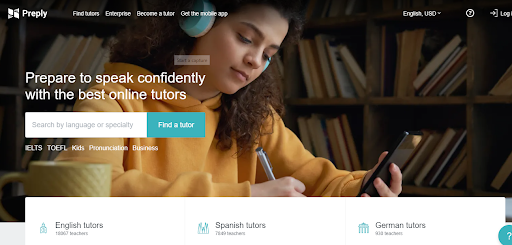
This is personalization in its purest expression. From the start, they ask you the right questions and use that information to personalize your account, which makes the experience more enjoyable (and useful).
The good news? Most CRM platforms help you tap into personalization by giving you access to vital customer details like social media profiles, chat history, and past purchases.
This way, you can make smarter predictions on what customers want and how to create an experience that fits their needs.
4. Smoother customer experiences
Personalization is just one of the many ways available to improve the customer experience. To find more areas for improvement, companies should tap into the following strategies:
Behavior analysis
By understanding past purchasing behavior, you can predict future patterns and design better customer journeys. In the words of Kris Heidler, Freshbooks‘ lead data scientist:
We apply algorithms to the data to start separating the users that we have into different buckets, where we understand what people in those buckets will generally do. Ones who are using the product a lot right off the bat may get a call from sales to see how we can help them. Others who are just tinkering might get a nurturing call from support to see if they need help using any of the features. And people who signed up but have no activity may get an email with more information. The idea is to use data to show us how to help our customers individually.
Market forecasting
By predicting where the industry is headed, you can structure contingency plans to steal market share from competitors. You don’t need to do it manually, though. For instance, Amazon sellers could tap into the power of automation to reprice their products based on how the marketplace behaves.
A typical re-pricer might look something like this:

This will not only boost sales, but also help customers find products at the most competitive prices on the market.
Another strategy might be creating content to tap into your target market. True Blue offers different types of life insurance, so knowing what types of insurance their audience is interested in would be an essential part of their content strategy.
After analyzing their competitors and their target market, they’ve created this comparison guide about term and whole life insurance. To improve readability and user experience, they also added a chart to serve their readers better.
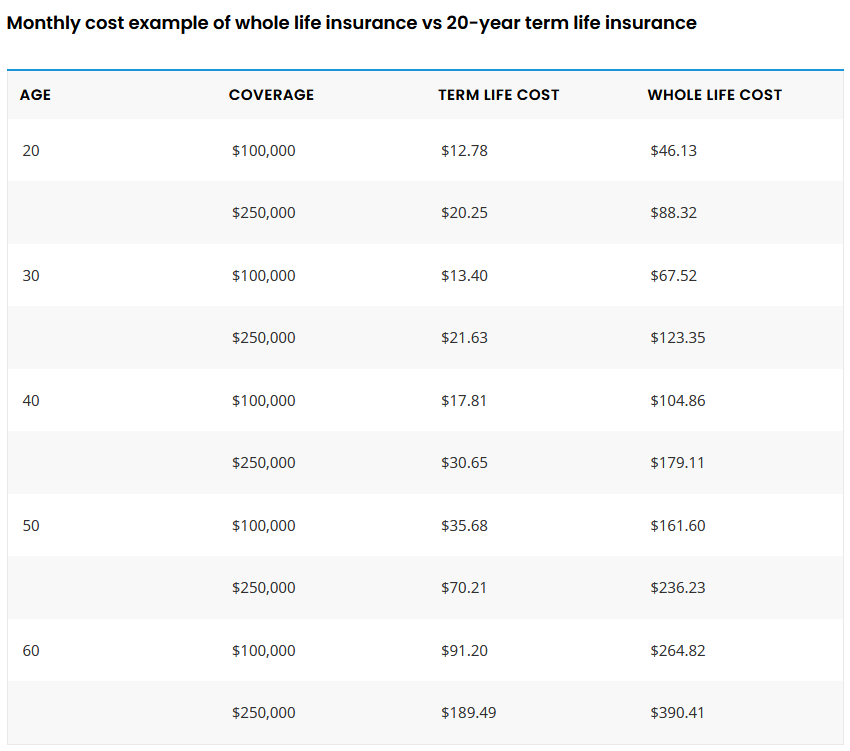
The point is to think creatively and look for ways to use the data you already have to improve the customer experience while maximizing your results.
It’s time to embrace change
Now that you know what’s coming, the question is: what will you do about it? If you don’t want to be left in the shade by competitors, you had better embrace change and adopt AI-powered CRM systems.
But, instead of overwhelming yourself with too many things, start with the lowest-hanging fruit. From the points outlined in this article, pick the one that seems simplest to you and apply it in your own business.
The goal isn’t to get it all perfect, but to simply get started.
This article was provided in collaboration with Brian J. Greenberg, founder and president of True Blue Life Insurance, whose mission is to be transparent, honest and helpful to their customers without ever bugging or pushing them.
