

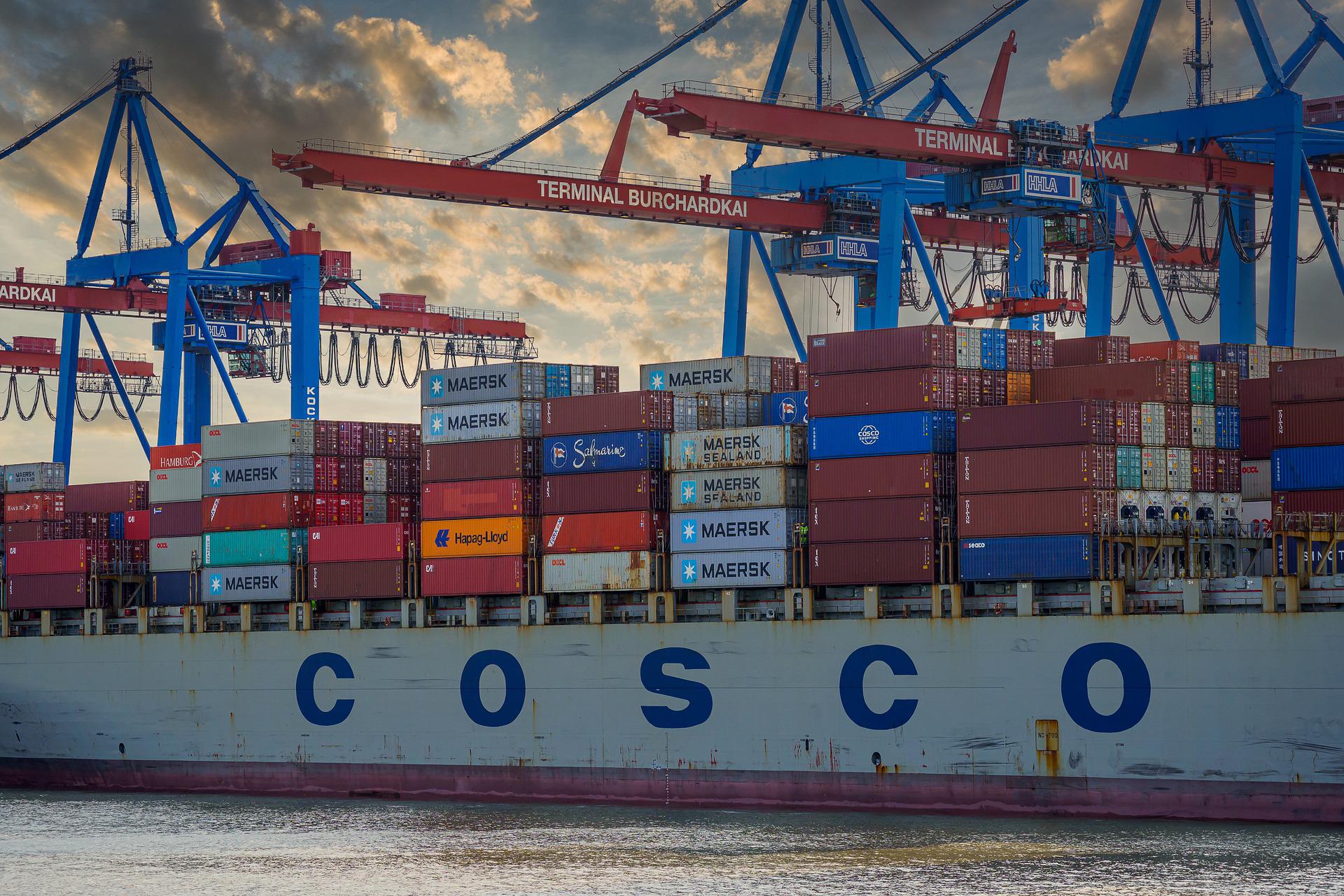
The global supply chain is no easy thing to manage. Complex lines link manufactured parts and pieces from nearly every corner of the globe to create a final product. Then the product is shipped to its final destination country where it travels domestically to a store near you.
Needless to say, when one little thing goes wrong, there can be major implications that create ripple effects across the entire chain. Supply chains are at once resilient and delicate. Supply chain managers work to source components from multiple factories and prepare for the removal of one link without disruption. However, major hubs and connection points in the chain can create slowdowns that impact the entire global economy.
With all the moving parts associated with supply chains, it can be hard to keep up with everything. Managers may find that they have too much of a certain product or component and have to get rid of it at a lower value, or they may find that they failed to budget the need for other pieces. Fortunately, new technologies are coming online that can help account for these human mistakes and create a smoother supply chain going forward.
Current State of the Supply Chain
It doesn’t take much investigative work to recognize that there is currently a significant supply chain issue. Multiple major incidents one after another have wreaked havoc on a typically tightly managed system. The COVID-19 pandemic is a huge factor as well as other issues such as the invasion of Ukraine, the Suez Canal blockage, and changes in trade relations globally.
Beyond many of the tangible challenges that are facing many supply chains today, others still exist. As many supply chain managers seek to adopt better technologies they face a growing concern related to cybersecurity. Manufacturers, in particular, are priority targets for many cyber crimes, so it is a risk to go digital. However, many industry leaders see it as a calculated risk that must be balanced with essential digital transformations that will keep companies current and responsive in today’s business world.
All of these challenges have led to numerous complications in an already complex system. Today, COVID lockdowns in China have brought about shortages in several components that are essential to the production of many of the goods and services we have come to depend on. COVID-related shutdowns and worker shortages at ports and distribution companies have led to a backup of goods to be unloaded. And in our local stores, we see empty shelves and more volatile prices.
Adaptations in the Supply Chain
Understandably, to avoid some of the shortages that lead companies to a grinding halt, many manufacturers and producers are likely to move towards building a greater supply of certain components. Just-in-time (JIT) inventory strategies are likely to become a bit less commonplace. This can help avoid losses and disruptions, but it can also lead to a buildup of supplies that slows down efficiency.
Space management is a critical component of efficient supply chain management. After all, different components and products are constantly moving in and out of storage. Overstocking certain supplies can lead to a space problem that reduces worker safety and reduces workflow and traffic flow.
Another change we are likely to continue to see in supply chains is a push to shorten them. Many industry leaders are actively looking into ways to bring the production of supplies closer to the actual destination. This can reduce some of the risks associated with a market that is dependent upon the entire global economy running smoothly. Fortunately, this strategy could also have a positive environmental impact by reducing transportation emissions.
Value of AI in the Supply Chain
Of course, the biggest change that many supply chains are currently undergoing is the incorporation of technologies such as artificial intelligence (AI). AI technology can help alleviate many of the issues already discussed and then some. It is a powerful factor in helping supply chain managers identify and reduce many of the risks they are currently worried about.
For instance, AI can help manage overstocking and excess waste in a production line. The technology can help identify upcoming overstocking and shortages that are likely to occur one, six, or even twelve months out so managers can adequately prepare. Some AI software can even analyze the likelihood of a particular component or supplier becoming a disruption risk to business slowdown based on global factors such as the invasion of Ukraine.
Likewise, AI can help streamline certain processes by analyzing huge quantities of data and developing an understanding of where snags and risks live within a supply chain system. The tech can also help keep track of prices and analyze where costs are increasing or decreasing across an entire production line. Finally, AI can improve workplace safety by analyzing risks to employees.
***
Today, supply chains are facing some of the most challenging situations they have ever been in. Many suppliers are making significant changes to adjust and prepare for these kinds of disruptions in the future. Artificial intelligence incorporation is one significant way to help with many of the changes that are currently taking place; one that most industry leaders recognize is an essential tool to move forward into the future with.
