


Phishing, skimming, and more; digital criminals have upped their game
Identity thieves and other miscreants who want access to your personal devices and data are getting rather creative. In 2020, Nidhi Razdan, a senior news anchor for the Indian television station New Delhi Television (NDTV) was tricked into quitting her job by a well-planned phishing attack.
Razdan had worked for India’s NDTV for over 21 years but quit her job after receiving correspondence claiming to be from the office of the Associate Professor of Journalism at Harvard University, offering her a job with their faculty. The elaborateness of this hoax is revealing. The perpetrators would have needed to create fake email addresses “ as well as quite a few other forgeries or at the least misrepresentations “ to deceive someone as savvy as a journalist.
On the other hand, it is true that Harvard has no School of Journalism, nor does it have a Department of Journalism, neither is there a Professor of Journalism at Harvard. If Razdan had done her homework “ a simple Google search “ she likely would have uncovered the ruse immediately. But ¦it looked legit. And that’s the new world we’re living in, filled with an ever-increasingly class of smart ID or digital thieves who put in some serious effort. Nidhi Razdan has been mocked online for quitting her job for a hoax, but we’d wager there’s plenty of people who would have fallen for something that preys on their specific mindset. She was a journalist and they came at her with an awesome, tailored journalism offer.
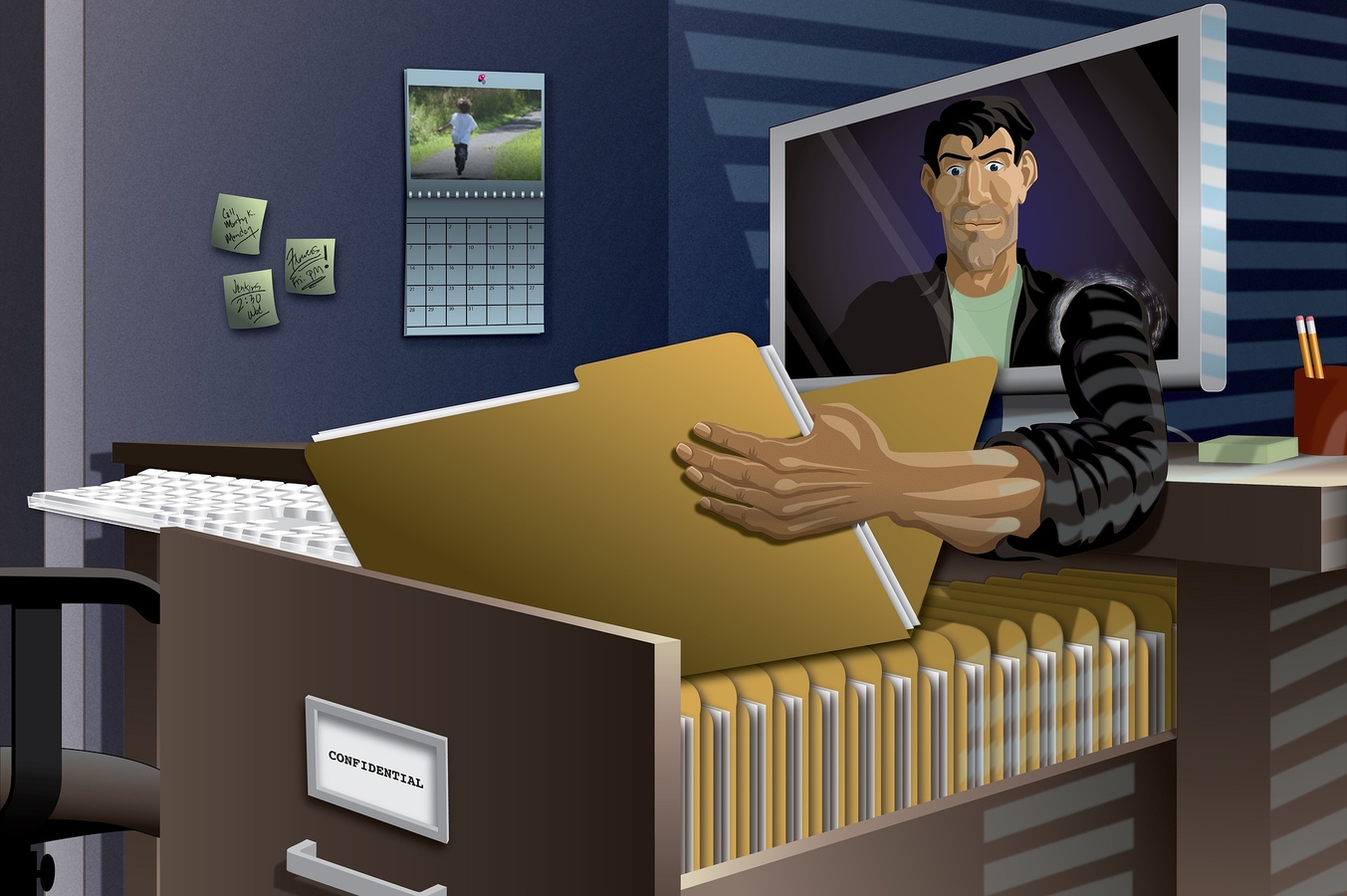
Far too many people overestimate their digital awareness. When was the last time “ for example “ you had your computer instant messaging logs checked for clues that could make it much easier for cybercriminals to identify you? Do you even know what log monitoring is? How much sensitive data is lying around on your devices? One stat claims every three seconds a person has their identity stolen. Perhaps those numbers are slightly hyperbolic, but cybercrime is skyrocketing. It’s time to upgrade your identity theft protection for the 2020s. Remember, once your identity has been stolen, the thief can do a lot in your name. They might, for example, take out a loan. You may be able to convince the loaning company that the transaction was fraudulent and that your identity was hacked, but the records with your name on them have a way of staying in the system and these “ even false records “ can affect your future.
Modern-day hackers, identity thieves, and others with ill-intent are reaching for your data with much more sophisticated techniques. Think about all we now do online: in many places one barely needs to actually step foot in a physical location to acquire anything from a driver’s license to a credit card. Quite commonly, thieves use links that appear, in every way, to be legitimate. The criminals then send emails or an attachment that can give these bad guys access to an organization‘s network. Maybe some are thinking, I’m just a low-level employee, why would they go after me? Well, not to be cruel, but smart predators always seek out the least aware and easiest target.
The whole Nigerian-prince-with-gold-in-a-locked-account-who-just-needs-your-password thing is fading into well-deserved ridiculous obscurity, but a 2019 report says such scams still net fraudsters US$700K per year. Also, unfortunately, there are also still some people falling for the You’re a Winner! scam. Hopefully, soon only the very sadly gullible will still click on such too-good-to-be-true’ links. Then, of course, there’s the good old dumpster dive where they find bills or credit card statements, tax forms, or other documents with your identification numbers on them and use them to get up to all sorts of nastiness. Investing in a paper shredder makes this old-school method almost impossible.
Another problem that we all need to become more aware of is Wi-Fi security. When you’re in a location offering free Wi-Fi “ which includes a whole lot of places these days “ someone could be tapping into what you’re doing. Wi-Fi is sometimes an open door, and while the Wi-Fi at location X might be password protected, it’s surprising how many don’t make the obvious mental leap: a criminal could also have the password. Using a virtual private network or VPN is likely going to become the default for anyone who takes their digital life and internet identity seriously.
Skimming’ is a term used for thieves harvesting your credit card data. While you are paying for dinner, for example, the card is quickly swiped in-between the genuine transaction, a problem that can arise every time you hand over your credit card. Email providers have long provided the We noticed you signed in from a new location. Was this you? notification. Check with your bank and sign up to receive immediate notice of dubious charges or strange activity “ most credit providers have excellent detection systems and send immediate messages or texts to alert you of possible identity theft. Also, upgrade to credit cards that are chip-enabled, which helps lessen threats.
Using crime as an analogy, ten years ago it was snatch and grab for ID thieves; today it’s teams of pickpockets who are almost artistic in their schemes. It’s time for the rest of us to up our game as well.
