
Learning management systems (LMS) store valuable data that requires careful protection. User credentials, employee information, payment details, and proprietary training materials all reside in your LMS. The UK Government's 2025 Cyber Security Breaches Survey shows that 43% of businesses experienced a cybersecurity breach in the past year. The growing threat of cyber attacks … [Read more...] about Cybersecurity In LMS: Essential Features For Protecting Sensitive Training Data
Cybersecurity
Cybersecurity is the practice of protecting electronic information by mitigating information risks and vulnerabilities. Learn the basics of cybersecurity today.
Building Secure Web Applications in an AI-Driven World

If you've built or managed a website in the last few years, you've probably noticed the shift. AI is no longer a futuristic buzzword; it's here, writing code, testing interfaces, and personalizing user experiences faster than ever. But there's a side of this revolution many developers overlook: security. Every new automation, plugin, or AI API introduces both opportunity and … [Read more...] about Building Secure Web Applications in an AI-Driven World
Fintech’s Hidden Loophole: Fraudsters Slipping Through the Cracks

In the rapidly evolving world of fintech, innovation often outpaces regulation. Mobile payments, digital banking, and AI-driven financial services have transformed the way consumers interact with money-but they've also opened the door for a new breed of fraudsters. As fintech adoption skyrockets, so does the sophistication of financial crimes. The Invisible Threat in … [Read more...] about Fintech’s Hidden Loophole: Fraudsters Slipping Through the Cracks
From Generative to Agentic AI: What It Means for Data Protection and Cybersecurity
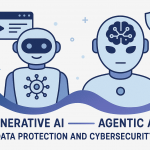
As artificial intelligence continues its rapid evolution, two terms dominate the conversation: generative AI and the emerging concept of agentic AI. While both represent significant advancements, they carry very different implications for businesses, particularly when it comes to data protection and cybersecurity. This article unpacks what each technology means, how they … [Read more...] about From Generative to Agentic AI: What It Means for Data Protection and Cybersecurity
How Generative AI Amplifies Cyberfraud Risks and Puts Data Integrity on the Line
Generative AI is no longer a novelty. It has become a core driver of innovation across industries, reshaping how organizations create content, deliver customer service, and generate insights. Yet the same technology that fuels progress also presents new vulnerabilities. Cybercriminals are increasingly weaponizing generative AI, while organizations face mounting challenges in … [Read more...] about How Generative AI Amplifies Cyberfraud Risks and Puts Data Integrity on the Line
+
What is cybersecurity?
Cybersecurity refers to protecting computer networks and systems from unauthorized access or attack. Cybersecurity analytics is the process of using data and analytics to identify, understand, and prevent cybersecurity threats. Want to learn more about cybersecurity? Datafloq has courses available. Contact us to get started.
+
What does cybersecurity do?
Cybersecurity analysts use data mining, machine learning, and other techniques to identify patterns that could indicate a cybersecurity threat. They then work to understand how the threat could be used to attack a system and finally work to prevent it from being realized. Cybersecurity is critical to any organization’s IT infrastructure, and businesses need to protect their data systems from cyber threats.
+
Why is cybersecurity important?
By investing in cybersecurity, businesses and individuals can safeguard their information from attacks by hackers and other malicious actors. In addition, cybersecurity can help to prevent identity theft, protect sensitive data, and ensure the confidentiality of online communications. As the world becomes more reliant on technology, cybersecurity will only become more important in the future.
+
How does cybersecurity work?
To put it simply, cybersecurity is all about identifying potential threats and then taking steps to neutralize them. This can be done through firewalls and encryption, making it more difficult for attackers to gain access to a system. And it also involves training users on how to spot a phishing email, so they don’t fall victim to an attack.
+
What are cybersecurity threats?
Cybersecurity threats can come in many forms, ranging from phishing attacks and viruses to malware and ransomware. While some threats are more serious than others, all can potentially lead to the loss of sensitive data or financial damages. Businesses and organizations of all sizes need to be aware of the latest cybersecurity threats and take steps to protect themselves.
+
How does cybersecurity affect business?
In today’s increasingly connected world, cybersecurity is more important than ever for businesses of all sizes. A security breach can lead to the loss of confidential data, customers, and revenue. In some cases, it can even result in legal liability.
As a result, businesses must protect themselves from cyber threats. This includes investing in security software and training employees on best practices for keeping data safe. Businesses can minimize the risk of suffering damaging cybersecurity incidents by taking these measures.
+
How does digital access impact various areas of cybersecurity?
Digital access has impacted various areas of cybersecurity in a few ways. One way is that organizations are now more aware of the importance of data security and have increased their focus on protecting their data. Additionally, digital access has allowed for the development of new technologies and organizations dedicated to improving cybersecurity.
Finally, digital access has made it easier for individuals to access cybersecurity information and learn about new threats. As a result, digital access has positively impacted cybersecurity by increasing awareness, developing new technologies, and making it easier to learn about cybersecurity threats.

