


Machine learning is a broad concept that applies to any artificial intelligence (AI) program that has the ability to self-modify. These programs may be able to perform error-detection without human intervention, and correct problems or bring them to the attention of a human technician. Machine learning is a key aspect of artificial intelligence. This technology can be used to identify weaknesses in data security and predict future high-risk activities. Other machine learning processes include the ability to learn new tasks, or simply improve performance and increase the amount and quality of data available for computations. The goal of the development of ‘thinking’ computer systems is to make computers smarter by giving them a leg up on other artificial intelligence programs. Machine learning typically is accomplished through supervised, unsupervised, or reinforcement learning.
Supervised Machine Learning
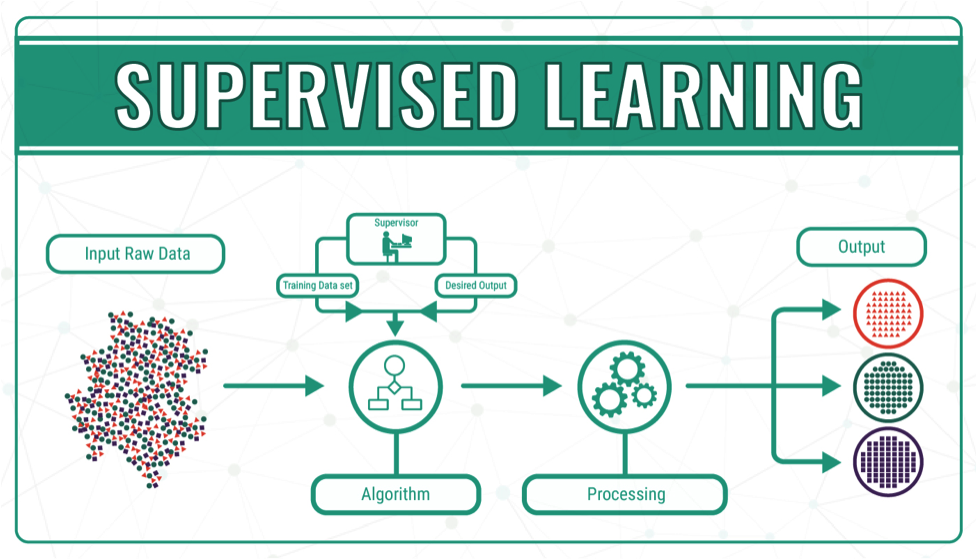
Supervised learning for the AI program is done in much the same way that workplace training is done for people, says Norman Larsgaard, one of the IT experts at the article creation resource that is developing the AI content generator. The program is given a set of data and shown how it is manipulated in order to achieve the correct result. The program is then given another set of data to practice with. By following the patterns laid out by the training algorithm, the AI program practices manipulating the data, while being ‘coached’ at need by the trainer.
Unsupervised Learning in Artificial Intelligence
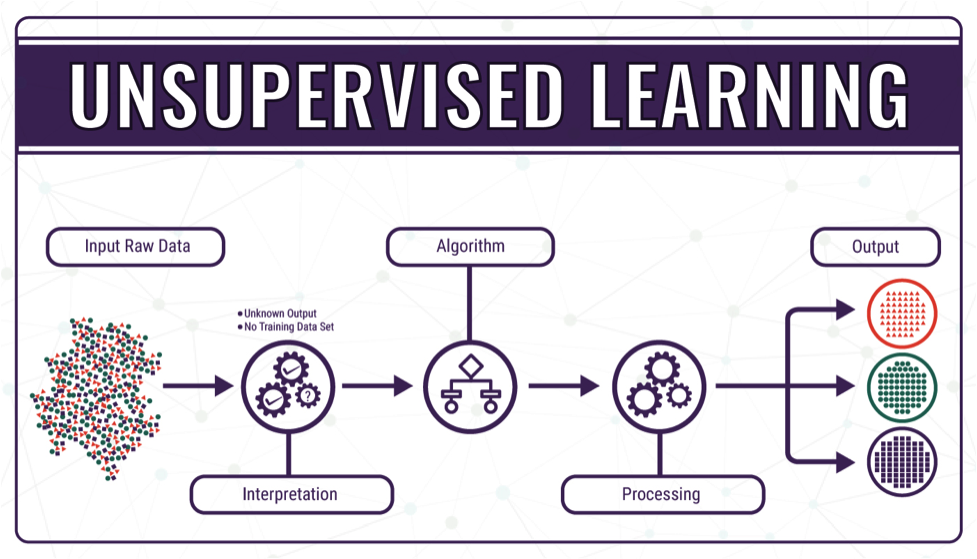
Unsupervised learning is accomplished differently and requires a higher level of AI. The results of this type are somewhat unpredictable, as well. In unsupervised machine learning, the program is provided with the data, and the patterns that it should fit into, but is not guided through the process of manipulating the data. The program has to experiment in order to arrive at the best way of manipulating the data to arrive at the correct conclusions. This gives the artificial intelligence (AI) program the freedom to create a completely new way of reaching the requested end-point, which can result in more efficient methods.
Reinforcement Machine Learning
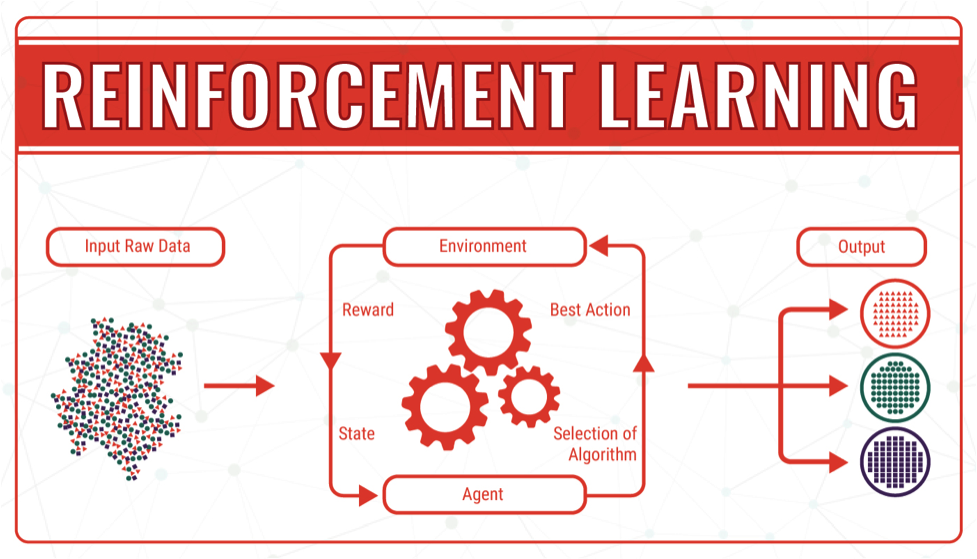
Reinforcement learning is similar to supervised, in that the computer is given an example to follow during training, and similar to unsupervised learning, in that the computer uses trial and error to learn how to accomplish the task. In addition, however, the program is given positive and negative feedback as it learns to manipulate the data, rather than leaving it to arrive at a conclusion solely by trial and error.
Helping Artificial Intelligence (AI) Programs Learn
Machine learning techniques, such as supervised, unsupervised, and reinforcement learning, help AI programs learn to perform new tasks or improve performance. Using training algorithms saves programmers from having to write the code for every new task, and has the added advantage of potentially efficient processes when the machine finds a new way and faster way to perform a task.
Additional information:
- Introduction to Machine Learning Approaches:Â Supervised, unsupervised, and reinforcement learning are methods used by artificial intelligence and explained in this introduction to expert systems.
- Deep Learning Methods for AI Programs:Â Unsupervised Learning – By using trial-and-error methods, types of artificial intelligence (AI) programs that utilize unsupervised machine learning can learn to make decisions based on past results.
- Bayesian Probability Networks:Â Bayesian networks, also known as belief networks, operate by using probability inference based on layers of data. Machine learning results in deep belief for neural nets.
- Simple Bayesian Probability Calculation Example: Bayesian belief networks perform complex mathematical calculations to make decisions. Conclusions are based on a combination of acquired information and probability.Â
