


In 2013, Gartner predicted that by 2017, CMOs would spend more on technology than CIOs. At the time, marketers scoffed at the idea. After all, marketing at the time was about gut instinct and creativity. However, as Gartner predicted, CMOs are influencing IT spending in bigger ways and technology has come to age in marketing.
Technology is a huge part of marketing in todays age. Consumers expect personalized experiences and 1:1 relationships gut instinct alone is not going to get the job done. Marketers must leverage their data in new and innovative ways to reach consumers with the right messages across multiple channels.
For those marketers who fail to deliver these personalized interactions, not only will opportunities be lost, but consumers will flock to those businesses who can deliver.
A recent Infosys survey reported that 78 percent of consumers are more likely to be a repeat customer when a company provides them with targeted, personalized offers. And when consumers dont get these personalized experiences, the CMO Council reported that more than half of U.S. and Canadian consumers consider ending their loyalties to retailers who do not give tailored, relevant offers.
Consumers are willing to pay for these experiences. 86% of consumers will pay up to 25% more for a better customer experience.
Clearly marketers must embrace data-driven technologies to fuel success in the age of the empowered consumer. However, with so many technologies touting to be the next best thing, which technology investments should be given the highest priority?
1. Create An Integrated Marketing Database
If you dont already have an integrated marketing database, its time to make the investment. Consumers are rich sources of information information that can leads to insights into what they may purchase next, what will make them loyal customers, and which up-sell or cross-sell opportunities will be most appealing.
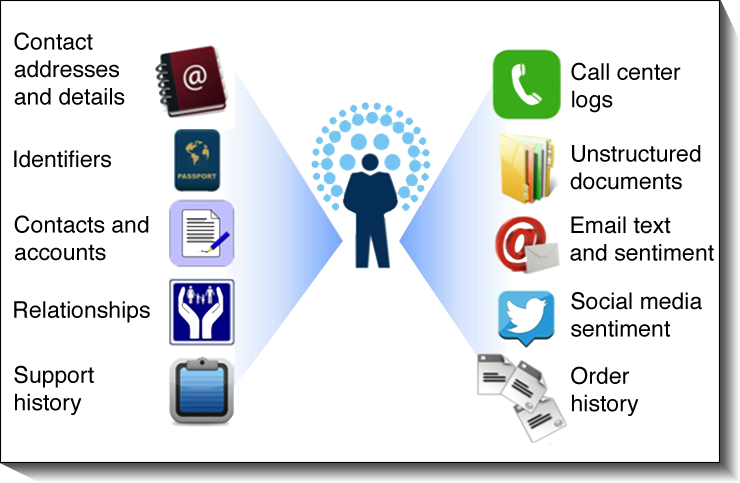
As consumers interact with your business across multiple channels, such as billing departments, digital channels, customer service centers, or email, this data is often stored in multiple silos. Each of these sources contains only bits and pieces about your customers. However, when all of these sources are integrated, the pieces come together to create a comprehensive story about your customers. This 360-degree view provides the foundation for true marketing success.
2. Invest in Data Quality
A solid marketing foundation involves data quality measures to ensure the data you are about to act on is actually accurate. Data becomes stale, names are misspelled, and consumers move. Data quality measures ensure you avoid being a victim to the old adage of Garbage In, Garbage Out.
Here are some compelling statistics why data quality should not be ignored:
- Inaccurate data has a direct impact on the bottom line of 88% of companies, with the average company losing 12% of its revenue. (Experian)
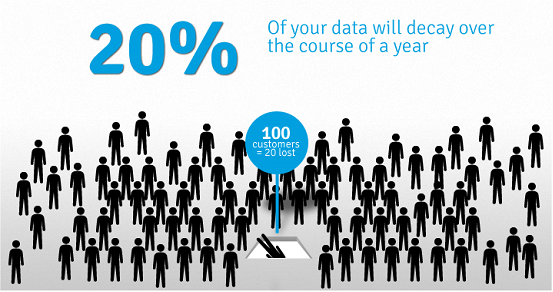
- Data decays at an average rate of 2 percent per month, which means you can expect 25 to 30 percent of your organizations contact data to go bad each year under normal circumstances. (NetProspex)
3. Use Smart Analytic to Target Your Customers
To target consumers in personalized ways, your marketing database must be analyzed to gather insights and discover hidden opportunities. This includes using customer segmentation, acquisition models, retention models, next-best-offer models, lifetime value models, and so on.
Consider the following examples:
- Life Stage Segment
Life stage segmentation requires looking at a combination of demographics and psychographics characteristics to determine where consumers are in their life cycle. Different marketing techniques will appeal to different segments. Targeting a college student will be much different than targeting a young family or senior citizen. - Customer-Value Based Segment
By creating segments based on transactional history, such as average spend, products purchased and frequency of purchase, companies can devote more resources and create best-in-class offers for their most profitable customers. A bank may want to increase the credit card limit for high-spend, high-value customers. Or an on-line retailer may offer free shipping to profitable customer segments. - Propensity to Purchase Model
By better understanding a customers purchase propensity, companies are more likely to up-sell or cross-sell these customers. Types of data that are often included in this type of model include purchase behavior in the last 12 months, amount of spend, frequency, and other actions such as increased clicks on a website. By understanding a customers likelihood to buy, consumers in the market can be targeted with the right offers at the right time.
4. Use Data-as-a-Service to Fuel Marketing with An Always-On Data Set
Take the marketing world by storm, Data-as-a-Service (DaaS) empowers companies with real-time data to target consumers who are in the market for your products and services.
DaaS is a service approach in which unique and Hard-to-Find Data (HTFD) assets are sourced and structured to deliver a constant stream of qualified prospects, including a companys own customers, who are actively searching for what they are selling. Distinctly different from list buying, these data sources are a highly customized marketing asset versus disconnected, one-time use prospect lists.
In-market prospects and customers are delivered directly to a companys channel systems or digital marketing platforms, allowing marketers to send real-time messaging, personalized recommendations, and highly targeted content.
Investing in marketing technologies is no longer an option. Reaching todays on-the-go consumers with the right messages at the right time requires technologies to understand your customers and products using data-driven insights.
If you are ready to really ramp up your marketing with technology, check out our resource guides for a better understanding of the technologies that will drive maximum growth: How to Revolutionize Your Marketing with Data-as-a-Service (DaaS)
