

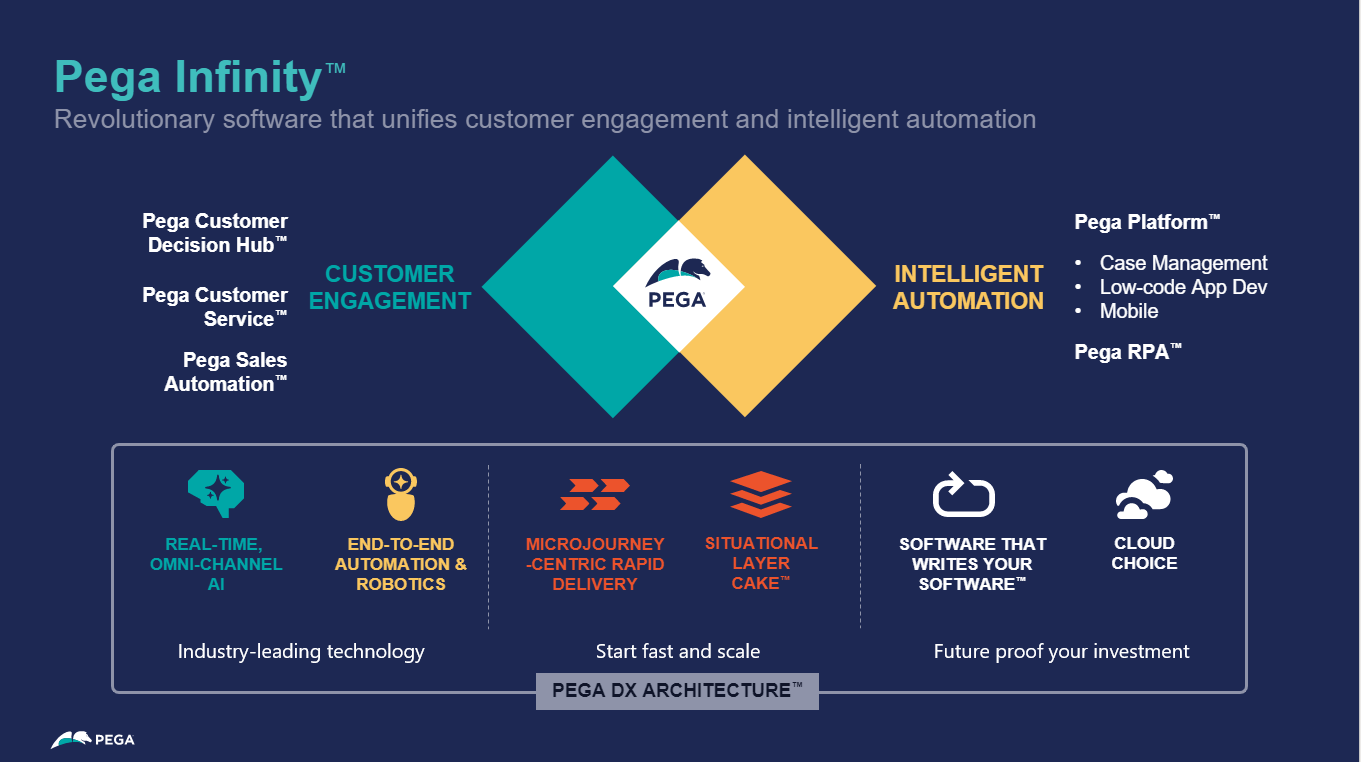
What is pega?
PEGA is a popular BPM application created for Java concepts. The PEGA developer is a trained programmer concerned with the design and implementation of PEGA PRPC enterprise-level applications.
In India, according to study, the typical salary of the PRPC developer is about 75.000. The competition for PEGA developers in the modern world is substantial. For practical knowledge of PEGA, PEGA online training can be obtained from a variety of online platforms.
Basically the pega testing is performed on the pega applications.The testing management framework, regressive testing, manual testing skills are required to perform the pega testing.
Pega Architecture
The central architecture of BPM Pegasystems has stored process objects, rules, user interfaces and specifications at a specific location. Unlike other testing tools such as IBM Lombardi or Oracle BPM, Pega does not have separate reporting, process design, integration, requirement selection, and screen design tools.
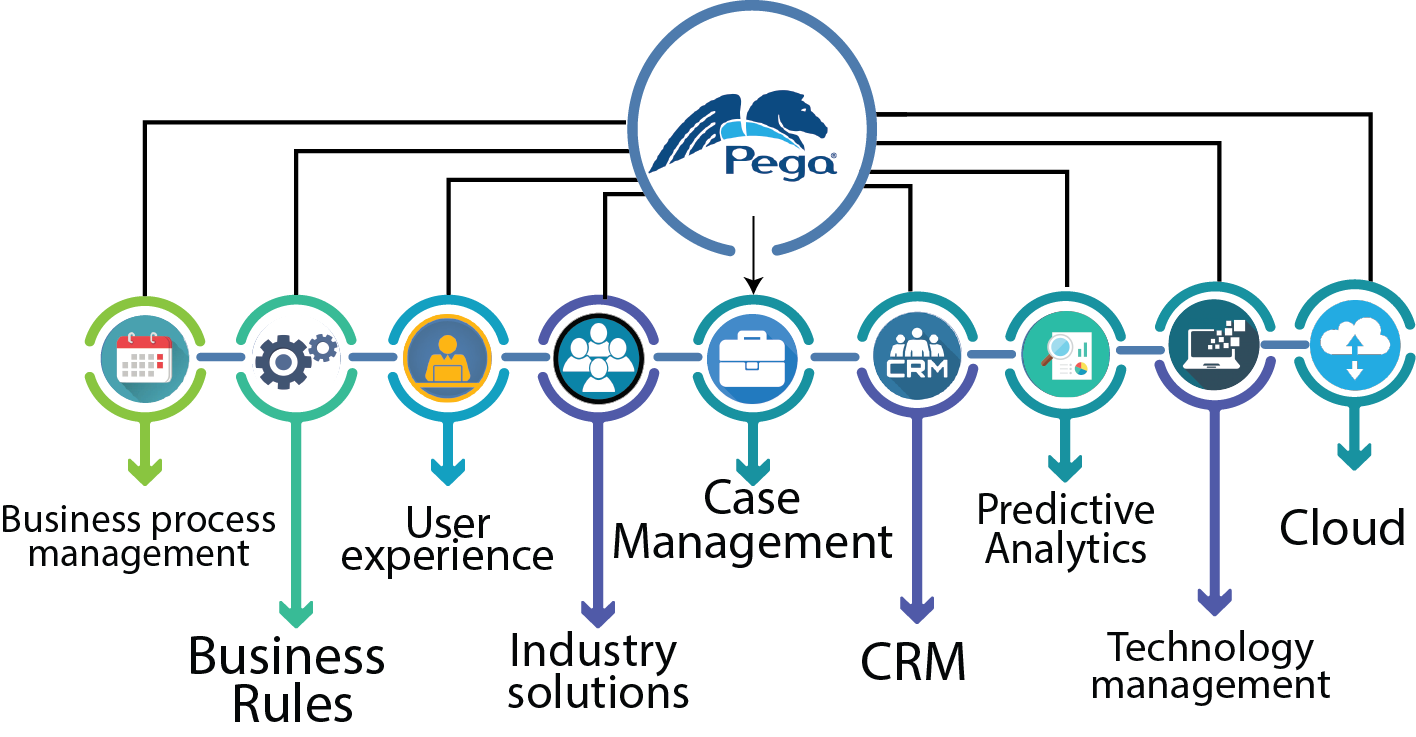
The core competent components of the pega architecture are:
- Case management Services
- Business process management services
- Business rule services.
The case management services comprise the following use cases. They are:
- Supporting collaborations, managing and maintaining data, integrations.
- Managing human and machine work
- Automating documentation and supporting low code app development.
The business process management services includes:
- Process simulation, process modelling, handling routing logic, managing SLAs, and executing workflows and policies etc.
The business rule services includes the following:
- Process integration, process execution and monitoring, management services, etc.
- Business rule services are related to the business activity analysis and business activity monitoring.
BPM Methodology
- The BPM methodology comprises the following 5 step process. They are analysis, design, execution, monitoring and optimization.
- A complete analysis discovers and defines mechanisms for meeting business requirements or enhancing efficiency. It sets out requirements for design solutions.
- The design of the process involves workflows consisting of human-to-human system-to-system or human-to-system interactions. The key goal is to minimize mistakes and to maintain standard operating procedures.
- The Business Rules Engine implements a method model to control the execution of the process.
- Businesses should track processes for collecting reporting data during execution for performance, error and compliance. Businesses use testing to test BPM solutions against design templates and related KPIs.
- Modeling and tracking data defines areas for change. It results in higher productivity and better value.
The efficiency of BPM workflow tools
Well, BPM tools come with several enriched capabilities so as to complete the core workflow functionality of the Pega systems. The most renowned capabilities include, workflow management, form generator, business rules engines, analytics and integrations, etc.
- With the help of integrations, most of businesses rely on data on the systems and interfaces.
- Analytics helps in generating the metrics and KPIs, thereby defining the standard and custom reports.
- Users can plan, test and run complex workflows. It manages the relationship between applications, employees and data.
- A variety of workflows are simplified by the BPM platform. Users can create complex sets of business rules as part of process design and execution.
- Users can construct web forms without programming language or encoding skills. BPM tools support comment threads, decision-making and concept management.
- Here are a few examples of the BPM software uses, they are compliance, compliant management, loan origination, project management, invoice, account management, employee onboarding and expense reporting, etc.
