


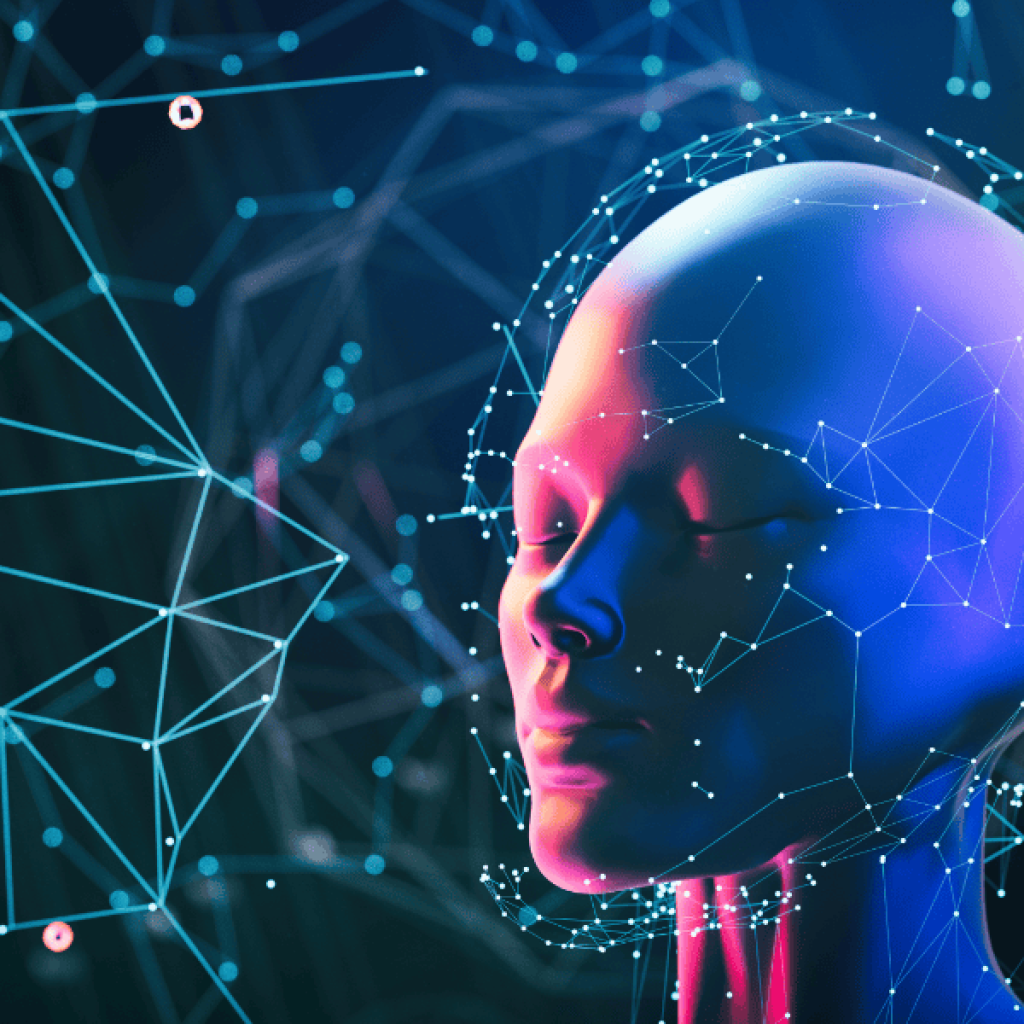
Visiting the hospital for your check-up only to find Dr. Robot welcoming you with open arms. Will you allow a robotic doctor to treat you? This is not to scare you but while Dr. Robot won’t replace your doctors anytime soon, AI in healthcare is here to stay.
Although science fiction movies gave us a preview of what to expect, I can bet you, that’s the tip of the iceberg. Artificial Intelligence simulates human intelligence in machines so they can solve problems without making mistakes.
When it comes to making human health better, no field does it like healthcare. This field relies on health workers who care for patients round the clock to improve their quality of life. It is important to keep up with trends in this area because we all need healthcare at a point in our lives. AI in healthcare improves patient outcomes by predicting better ways of treatment. It achieves this by using the patient’s data gotten from different sources to make clinical inferences. For instance, AI is already used for “ but not limited to detecting COVID-19 in the lungs of patients. It identifies the virus by detecting deficiencies from patients’ medical data.
According to the Future Healthcare Journal, the high amount of data has made the application of artificial intelligence to healthcare possible. The possibilities of artificial intelligence in healthcare remains limitless. Although for some time, coming up with a plan has been challenging yet, the area of health technology kept growing at a fastidious pace.
Healthcare Areas Using Artificial Intelligence
Let’s look at how artificial intelligence is transforming different areas of healthcare.
Clinical Diagnosis
Have you ever gone to the hospital for a medical check-up and had your samples collected? Deductions are made from the tests carried out on your sample. This information is important because it will help your physician identify what’s wrong in your body and also come up with a treatment plan. However, the process of identifying disease in the body is not always accurate. A wrong diagnosis can lead to the death of a loved one.
According to the British Medical Journal, up to 12 million people in the United States are misdiagnosed every year. Artificial Intelligence reduces errors by spotting diseases that most medical diagnostic techniques can’t detect. We now have AI diagnostic tools that are tailor-made to detect and suggest treatments to specific ailments, all thanks to AI.
Researchers at MIT have come up with an AI tool that can diagnose patients using information from their medical records. It checks chest X-rays to detect anomalies in the lungs and heart. This system consists of two parts “ a classifier that identifies tasks and a rejector that decides if a task should be done by its classifier or a human expert.
Medical Education
This field provides a foundational basis for technological advancements in healthcare. Medical education goes beyond the training given to students to learning how to use technology to enhance health. Medical students are now taught how to use AI to improve people’s health as many health institutions now adapt their techniques.
Instead of performing simple tasks like identifying bacteria, or suggesting dosages, Harvard Medical School is making AI models that match senior medical students’ abilities. Not wanting to be left out, the University of Toronto (U of T) Faculty of Medicine has added Computing for Medicine into her curriculum. First and second-year medical students learn practical programming skills with an emphasis on healthcare.
Also, the University of California San Francisco is using virtual reality to help medical students better understand the human body. This approach to medical education is less expensive, doesn’t harm humans, and offers a better assessment of students’ performance. It is becoming evident that apart from relating with patients, doctors will need to communicate with machines too.
Robotic-Assisted Surgeries
Robot manufacturers have come up with AI ideas to help doctors perform complex surgeries with little incisions. Developed by intuitive surgical, the da Vinci medical robot comes with robotic arms, a console, and 3D cameras. The surgeon uses the console to control the robotic arms. Patients operated using this robot, recover faster with little scarring, and no infections.


Follow-up Care
Patient care doesn’t end with treatments. Most patients need follow-up care to help health professionals track outcomes whilst ensuring optimal health. Nisarg Patel the CEO of Memora Health invented Felix‘ “ an AI-based system to improve follow-up care. It monitors post-treatment outcomes and identifies high-risk patients. The area of Telemedicine is experiencing a boom due to the present pandemic.
Should We Fear AI?
We don’t need to fear AI in healthcare because rather than replace our doctors, it’s here to help them make accurate decisions so we can live longer. Indeed, AI will reduce the burnout rate among doctors so they can serve us better. Even though the world is eager to know what’s next, it’s no longer science fiction that AI will continue to disrupt healthcare pathways.