


It’s predicted that digital advertising spend will grow 6% in 2020, with paid search showing the fastest growth with a 26% increase. Even with the ongoing global pandemic, digital advertising spending is expected to increase in 2021.
For most brands and retailers, it’s still a vital way to get in front of consumers when they are ready to make a purchase.
Many companies lack an accurate way to develop and monitor their SEO strategies. They often rely on assumptions, missing the opportunities that could benefit their business’s online presence.
Getting detailed insights into your SEO performance can help you improve your optimization efforts, identify opportunities, and make better decisions. Ultimately, utilizing data science can lead to improved ROI, more sales, and more profit for your business.
Let’s explore how taking advantage of data science can improve your SEO efforts
Conduct an in-depth analysis when researching the keywords
The starting point for most SEO projects is generating keywords. Finding out which keywords have the potential to drive the most traffic to your website and engage the right audience with minimum investment is essential.
To uncover the maximum number of relevant search terms, you need to go beyond the standard approach. Just looking in Google Keywords Planner won’t cut it.
An analytical approach with looking at multiple data sources will reveal more keywords than traditional research. For starters, you need to conduct a thorough analysis of the search queries related to your offerings.
Let’s suppose a team of professionals is working on an SEO strategy for an Ireland-based business. The first step would be to conduct an analysis of keywords with the highest search query in Ireland. This will be the foundation for a list of high-ranking keywords within the data-driven local SEO strategy. With SEO being one of the fastest developing digital markets, data science has become a crucial part of the process. Keeping that in mind, there is a high demand for SEO and marketing jobs in Dublin as many Irish businesses tend to work with data analysis experts, knowing that they’ll help improve their brand’s local visibility.
Keyword selection and optimization of Google AdWords campaign
From keyword research tools and organic search query reports to keyword clicks, impressions, click-through rates, rankings, difficulty scores, and competitor rankings, all of these data will help you better understand the strategic keywords target.
Also, with powerful data-driven insights, you’ll uncover keywords with better performance metrics (e.g., good click-through rates) you should be targeting.
Remember: go for keywords where your competitors don’t have a strong presence instead of the highest search volumes. Creating a bulletproof AdWords campaign is an efficient way to boost your online reputation.
Bear in mind that a comprehensive, well-thought-out campaign requires a great deal of knowledge, expertise, creativity, and time, so consider hiring an experienced team of people to secure fruitful results.
Determine optimum bidding prices by utilizing AI
Bidding on search terms via Google AdWords can be expensive, especially if you try to compete for high-traffic keywords. Without an accurate way to determine which words to bid and how much, you could be wasting your money.
Automated machine learning software can help companies predict the maximum price to bid while still achieving their target return on investment. This new technology can help you avoid unnecessary expenses.
This is a type of AI that has the potential to find patterns in past marketing activity and sales volume quickly and predict future outcomes. By utilizing automated machine learning, businesses can determine the maximum and minimum prices they should bid on a particular Google AdWord.
Finding out where Google AdWords spending is delivering results, increasing ROI, and focusing on keywords that truly matter has never been easier!
Analyze your user behavior
Some data have confirmed that user behavior metrics are an important ranking factor. So, analyzing your potential customer’s browsing trends and behavior can be incredibly beneficial.
Search engines use CTRs, time on site, bounce rates, dwell time, pages per visit, repeat visits, and other factors to understand internet users.
For instance, adjusting the page title, URL, and meta description will help you improve your CTR.
Your website analytics will help you determine the organic traffic bounce rate and your webpages’ average session duration. This way, you can identify if there is a problem and work on lowering the bounce rate.
If you optimize more landing pages, your bounce rate will be lower, too.
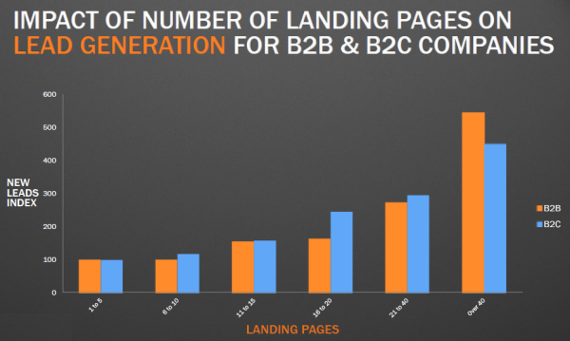
Source: neilpatel.com
According to the SEO community, there are over two hundred ranking factors, but Google may be using hundreds more in reality.
Measure the quality of SEO traffic
To measure the quality of search traffic, try the Assisted Conversions report. You can generate a month-to-month comparison of conversions and determine whether there’s an improvement or decline in search traffic conversions.
If you identify a decline in conversions, but there is still steady overall search traffic, then the traffic isn’t of high quality.
That means that you need to concentrate on a more refined set of keywords to see an improvement in your SEO traffic quality.
Benefit from data visualizations
Numbers piled on the spreadsheet can be hard to comprehend. Instead, take advantage of data science via visualization and gain valuable insights. It allows you to compare data, identify common patterns and trends, spot issues, and process large data volumes at scale.
Visualizations can make your SEO data more actionable, so you can determine areas that need improvement and accomplish better results. For instance, trend lines can demonstrate trends over time, like overall organic traffic growth, helping you to identify long-term trends.

Source: searchengineland.com
The key is in integrating various methods, tools, and practices
To achieve a precise SEO strategy, you need to collect data that provide greater clarity on the matter. A data-driven approach requires the right tools and resources. For instance, to track essential metrics more accurately, you need proper SEO tools.
Google Analytics, SEMrush, and Ahrefs are considered to be top tools when gathering the right data and making better decisions.
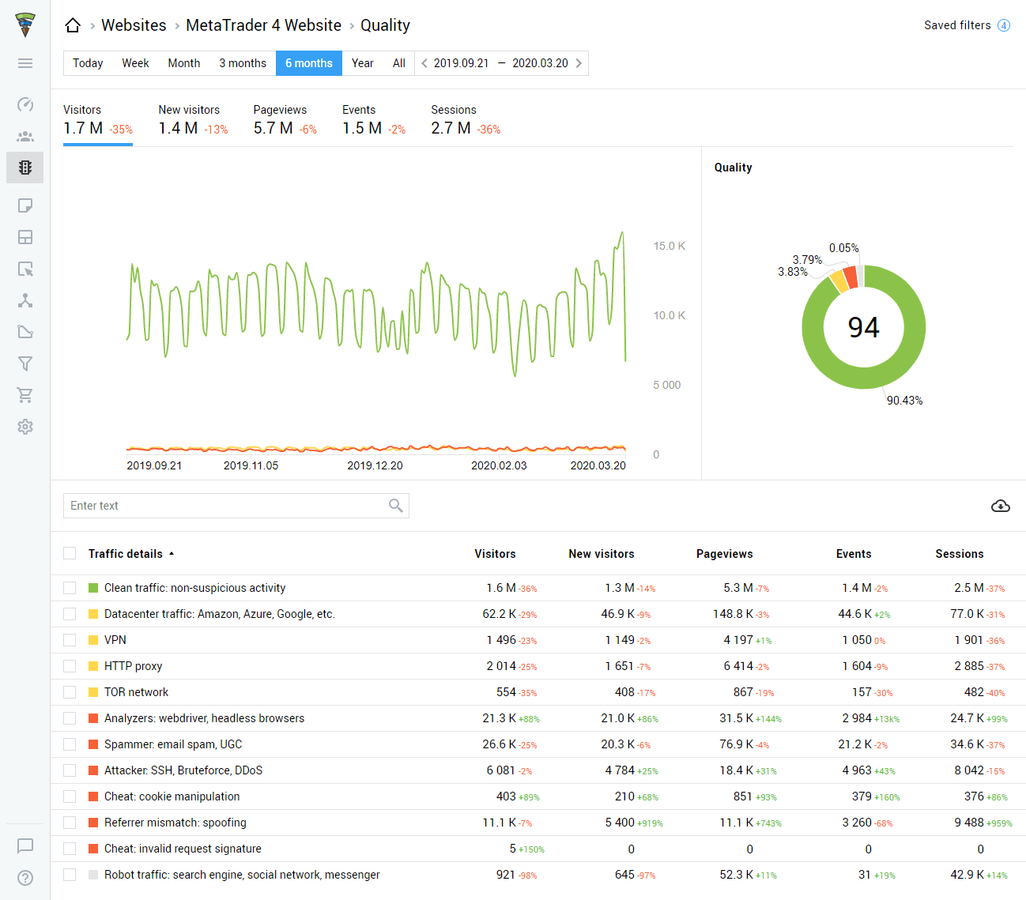
Source: shanebarker.com
If your SEO is complicated and incorporates other digital marketing areas like customer experience management and sales, you need to integrate different methods, tools, and practices.
This way, you’ll extract more in-depth and more accurate insights.
For example, Finteza can help you make more sense of your data and put the insight into action to optimize your conversion funnel and drive key performance indicators.
