


For decades, the world of gaming has challenged itself to look to the automotive industry for inspiration and advice on how to develop video games, but are we beginning to witness a role reversal as more car manufacturers look to game developers in a bid to retain customers?
From the early days of Gran Track 10 to the astounding accuracy of the Gran Turismo series, racing video games have drawn on the thrill of driving to become a gaming genre that continually ranks among the most popular among players.
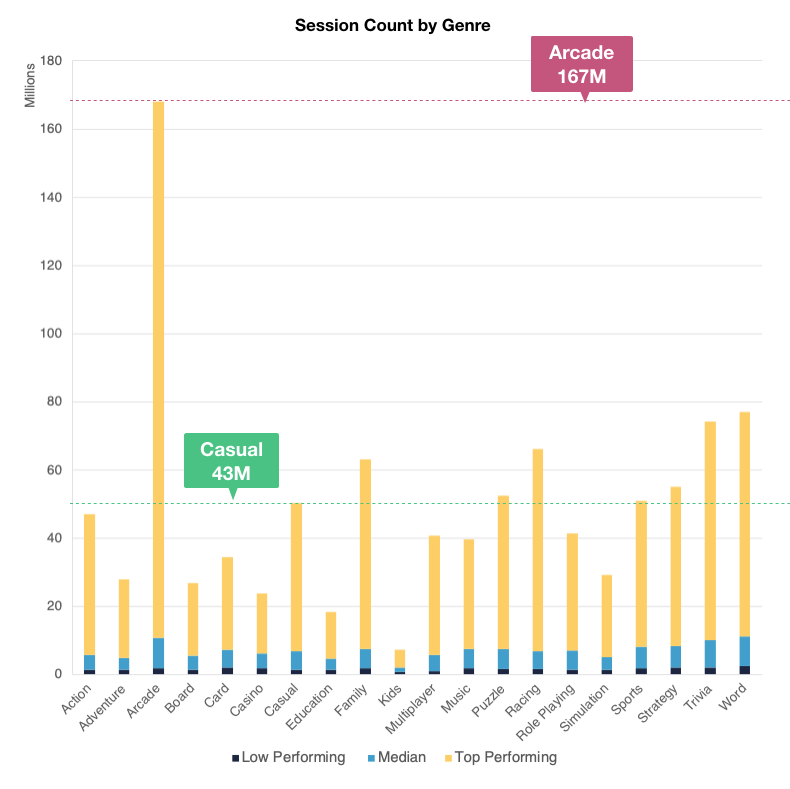
(Image: Game World Observer)
Recent observations from Game World Observer places racing games among mobile gaming, illustrating the genre can seamlessly evolve to suit new devices.
The success of car-based video games has inspired the motoring industry to look for more solutions from the world of gaming in a bid to improve manufacturer marketability and customer retention – and already we’re seeing evidence of successful strategies that companies are adopting in a bid to emulate the success of their virtual counterparts.
Gamification to Secure The Future
Gamification has long been highlighted as an effective way of encouraging user participation in apps, workout programmes and employee reward schemes. But today it’s beginning to evolve to play a key role in the automotive industry. As an industry that’s been disrupted by the development of digital business, it’s now revived gamification formats as a means of securing better engagement among drivers.
One such example of how gamification is not only helping manufacturers woo customers but also encouraging their safe driving can be found in Toyota‘s Kinto car subscriptions. Here, the Japanese manufacturer rewards drivers with lower monthly payments based on their performance behind the wheel.
Elsewhere, FleetCarma utilises gamification strategies to deliver its SmartCharge programme to influence when drivers charge their electric cars. Here, electric drivers can win points and recognition statuses within the app’s community with utilities obtaining usage data from the programme.
Here, gamification can be used to reward drivers for choosing electric vehicles or driving safely on the road. There’s even potential for gamification to enter the world of car financing in the future – where payments can vary based on how each driver performs on the road. As better drivers will protect the sell-on value of the car they’re financing, having an on-board app that tracks drive quality can be a mutually beneficial development.
Encouraging Efficiency
Gamification doesn’t have to come with financial ramifications, and they don’t have to come in the form of a mobile app, either.
To help their customers practise more environmentally friendly driving, Ford introduced Efficiency Leaves to their car dashboards back in 2013. The efficiency leaves took the form of digital leaves that would be viewable near the car’s speedometer.
When drivers are using their car in an energy-efficient manner, the Efficiency Leaves would grow and sprout new leaves. But when a driver used their car in a more reckless manner, the leaves would wilt and disappear.
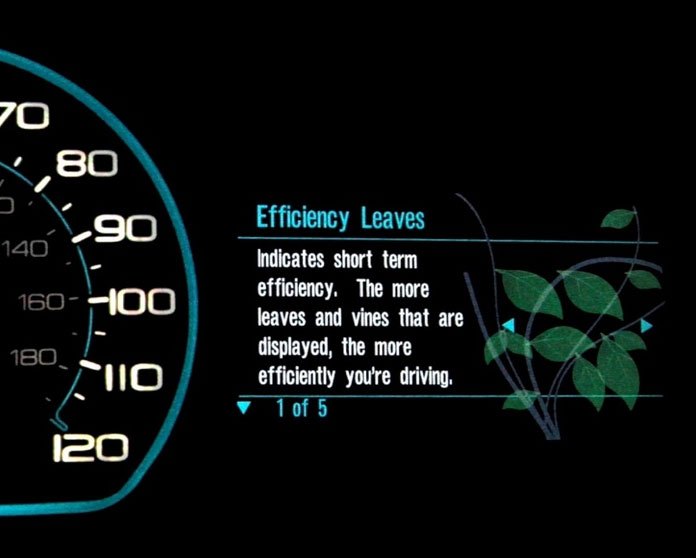
(Image: Autoevolution)
With the prospect of drivers being rewarded with on-board aesthetics in return for eco-friendly driving, Ford’s efficiency leaves standing as one of the leading examples of how gamification can be used in the automotive industry as a force for good.
Crowd-Sourced Live Data
Driving can often be a lonely experience, but many apps are learning that this doesn’t have to detract from the sense of community that driving apps can leverage.
Google certainly saw the potential of community projects when it bought Israeli startup Waze in 2013. The concept behind Waze was that smartphones had developed to become capable of tracking live traffic data as it unfolded.
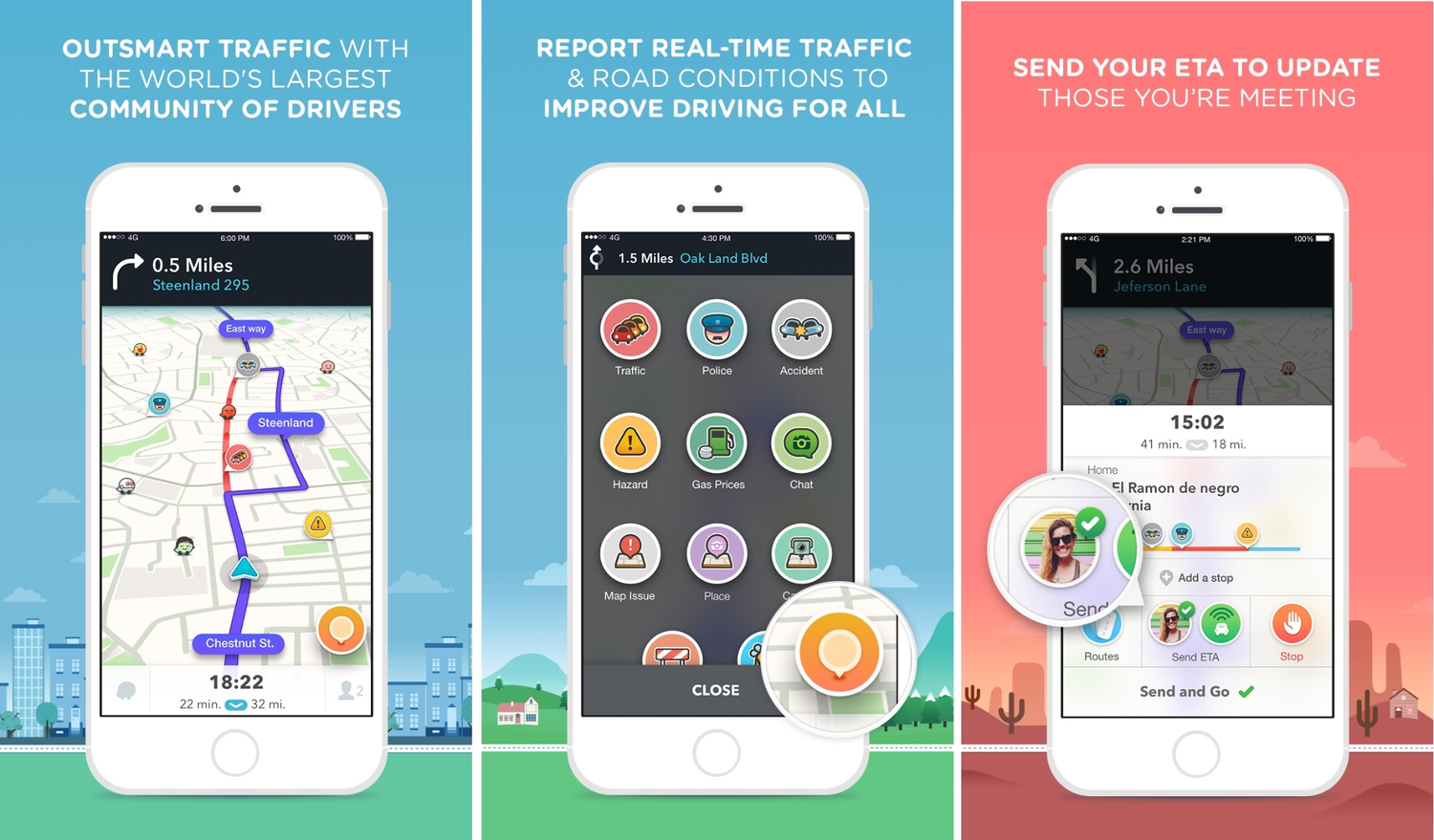
(Image: HBS)
The app takes the form of a massive crowd-sourced initiative, where users can report real-time traffic conditions such as jams, police speed traps and collisions among many other factors that could affect journeys. Users can even report local petrol prices to help drivers to discover the best places to fill up.
As it boasts a vibrant community, Waze rewards users for frequently reporting issues and various other helpful points for other drivers. The app uses a live scoreboard that can be shared with friends on social media – allowing users to battle it out to become the most valuable Waze user.
Driving Customer Retention
Gamification can also work wonders in driving customer retention towards single manufacturers. In Austria, Porsche recently launched its loyalty program, BONEO.
The loyalty program utilises many gamification mechanisms in order to bind customers to the car brand over a longer period of time. BONEO is connected to the var via an app, and users get to create their own avatar that they can give makeovers to by upgrading. BONEO even offers rewards to drivers in the form of loot boxes.
Lootboxes typically resemble digital chests that users can receive from time to time that can be opened online to reveal a range of rewards like free test drives of new cars, petrol station coffee vouchers, a free car wash – anything that’s linked to the brand. This element of luck helps to keep drivers motivated for the instant gratification of opening more loot boxes to get the rewards they prefer.
BONEO stands as a leading example of how a car manufacturer can drive loyalty despite its product consisting of something that a customer tends to purchase once or twice over a decade. By using an app that has mechanisms that are designed to keep users engaged, it can be a great means of driving customer loyalty while reducing the cost of other less targeted marketing activities.
Customer retention within the world of motoring has been an issue for manufacturers in the past. The act of purchasing a car is such a rare event that technology involving gamification can be a driving force in establishing some form of brand loyalty over extended periods of time. With added factors that can reward drivers for sensible and eco-friendly driving with various incentives, the gamification of the automotive industry may yet prove to be a force for good.
