

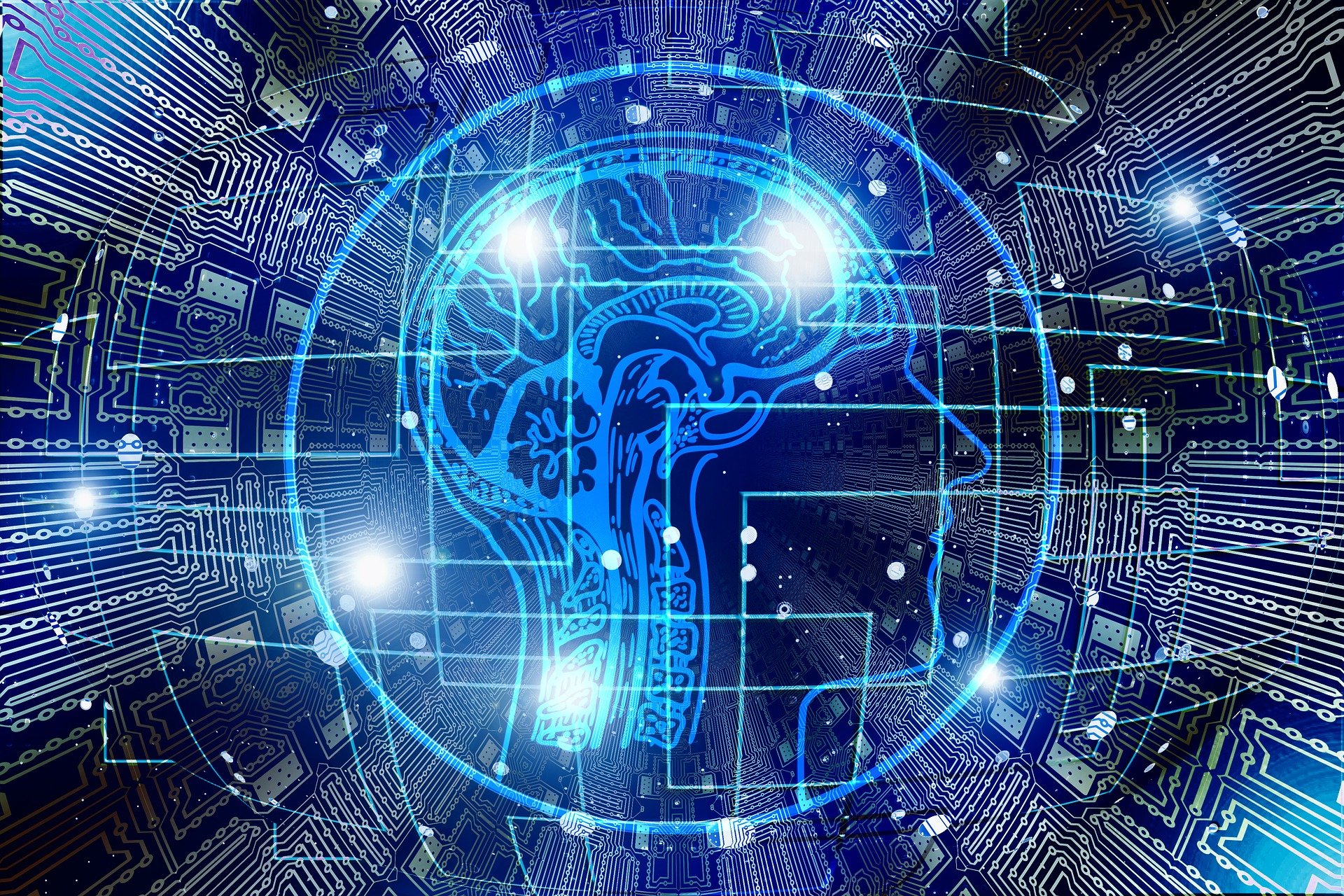
During the last decade, the field of artificial intelligence had some big breakthroughs, and all leading tech companies got involved in developing their own AIs. Their products are mostly used as search engine algorithms that are utilized to give better online user experience, and a few of them developed personal assistants as an extension of those searching algorithms.
The greatest minds of our time are working around the clock to figure out how to improve artificial intelligence so the life on earth can become much more relaxed and effortless. Will, there be some evil robots in the future is yet to be seen, but at this point, we can get back to the past and learn how it all started.
A century among robots
Famous Czech writer Karel ÄŒapek wrote and published a book in 1920 that was dedicated to AI. He called it Rossum’s Universal Robots, and that was the time when the word robot was used for the first time. His robots were more clones than what we today perceive as a robot, but his ideas woke up the imagination of other authors and scientists. The book is telling a story about good robots that are helping people, but later they start a rebellion which goal is to end a human race.
Deciphering the Enigma
AI and robots were a part of imagination until 23rd June of 1912, when one of the greatest minds, Alan Turing, was born. He became famous during the World War 2 when he managed to break the code of Nazi Germany’s Enigma, a machine used for encrypted communication. He built a machine, something like a rudimentary computer, that ushered the way for computer science we know today.
Alan Turing proposed the idea of building an electronic brain that will be able to communicate with a person so the person won’t be aware they’re talking with a machine. His ideas about artificial intelligence are still being developed, and Turing Test remained very popular among modern computer scientists.
AI winters
During the 1950s, AI research was continued, but unfortunately, big investors of that era weren’t interested to continue with supporting scientific research, so the first AI winter started and lasted until the 1990s when IBM and Apple got together and continued with AI development.
Deep Blue
During all that time, there were some enthusiasts that continued working on AI, and their field of interest was the ancient game of chess. Leading scientists and chess players of the second half of the 20th century were trying to build a machine that will be able to beat a human at this game.
After many ups and downs, they’ve managed to develop the Deep Blue, the first chess computer that beat the world chess champion, Garry Kasparov. This historical match took place in New York on 11th May 1997. IBM’s chess computer won the match after six games with 3 ½ – 2 ½. The match was broadcasted on television and wider publicity got very interested in possibilities of AI, so the research continued in the next two decades.
Where are we now?
Thanks to Big data, machine learning techniques, and faster computers, AI market developed heavily during the last few years, and IDC (International Data Corporation) predicts it will grow to massive $47 billion by 2020. Video processing, voice recognition, and text analysis are already possible thanks to the usage of Neural Networks, and these solutions will become much better in the years to come.
Final thoughts
It is hard or even impossible to imagine where will AI take us, but computer scientists all over the world are eager to find out. It is not that likely that machines will become aware of themselves anytime soon, so there’s no reason for fear. Some of the greatest minds claim that making a colony on Mars and creating a conscious machine is pretty much in the same level of difficulty, and it’s hard to tell when it will happen: maybe in 10 years, maybe never.
