

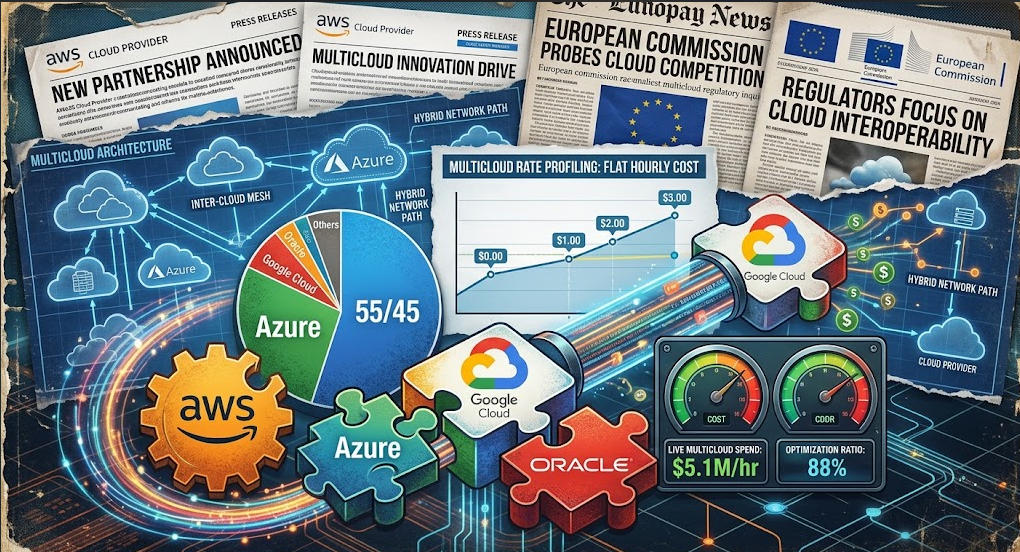
The global hedge fund industry is expanding and growing faster than at any previous rate. To date, more than 16,000 hedge funds are running their business globally with an asset value of more than $3.6 trillion, according to Investopedia.
The idea of virtualization and sharing computing resources across different systems and regions significantly lowers the capital cost and creates accessibility and scalability. As a result, the use of cloud computing has shown a significant rise in the trading market and hedge fund management.
As the industry grows, IT support and the use of technology arises. And as a result, the use of cloud technology has become inevitable in the hedge fund industry. This article will thoroughly discuss the impacts of cloud computing and cloud testing on the perception of hedge fund management.
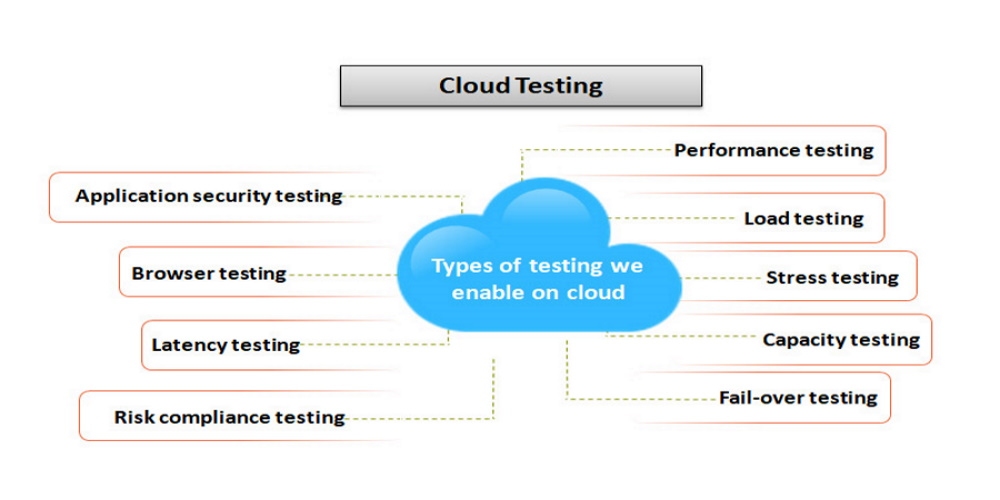
Cloud testing is a process of using computer resources from a third-party service provider to test software features and functionalities on an on-demand basis. The provider allows the software’s access and function rather than making you purchase a similar testing system or building costly in-house infrastructure to run such operations.
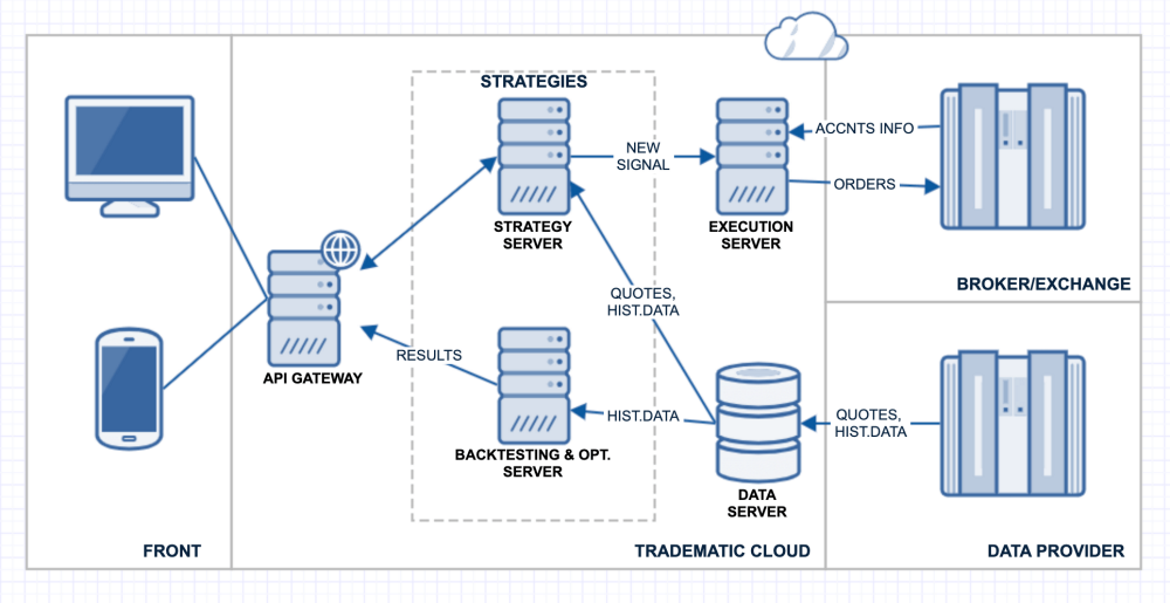
Hedge funds and financial firms mainly deal with large datasets. Cloud testing provides the funds an efficient optimization and backtesting performance on the standard large market data sets. And the support of front, middle, and back-office functions ensures the funds a scalable and secure trading strategy optimization.
How Backtesting Done in Cloud Computing?
Â
Backtesting determines how well your trading strategy would perform in ex-post. Primarily, you implement historical data to your trading strategy and observe how your trading strategy performs in different historical events and circumstances. If it’s sustainable, certainly you can move forward with the strategy.
Cloud testing allows you to perform similar backtesting on the online data center of the cloud companies and test your strategy as long as you want using a pay-as-you-go method. Then, if your trading strategy doesn’t work efficiently, you can try again as long as it works out or terminate the service.
The principal concept of cloud backtesting is paying for the cloud space and times for the events you need, rather than costing a fortune to build an infrastructure to test your trading strategy. There are companies like Quantaconnect, Quanthouse and so many other platforms who do it.
5 Secrets of Cloud Testing for Hedge Funds
Here we discuss the secrets of cloud testing and cloud computing for hedge fund management:
1. Minimize Capital Spending: CapEx to OpExÂ

Â
Â
Â
Â
Implementing cloud computing models can render a significant amount of cost-saving models for hedge funds and big investment firms. That’s because cloud computing technology enables you to use the power of computing devices from all over the globe rather than building a supercomputer of your own.
For example, the MQL5 Cloud Network allows you to combine the computing power from different users from all over the globe and use testing your trading strategies. Besides, using the Strategy Tester, you can utilize the MQL5 Cloud Network to optimize all the trading systems written in the MQL5 programming language. Moreover, it can generate any hypothesis in 30 minutes, not 3 hours.
2. Improves Scalability and Flexibility
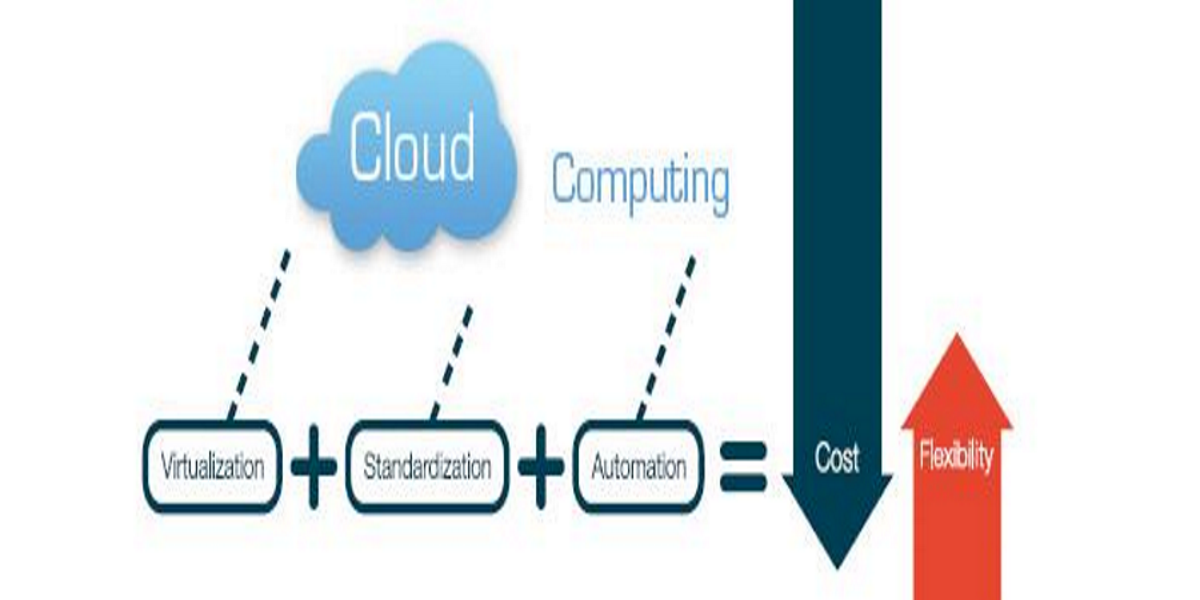
Traditional infrastructure models offer certain computing power after providing a specific resource. But cloud technology doesn’t bind you inside that computing power barrier. Moreover, it doesn’t require your physical presence. All you need is an internet connection fast enough to process all the data. Hence, you are flexible enough to operate your business on the go.
 3. Less Maintenance Work for You
One of the most significant benefits of using cloud testing is having an efficient service without being responsible for maintenance. Instead, the cloud provider will be solely responsible for the service, performance, hardware, software, and all the supervision of the system. As a result, you can precisely concentrate on your business rather than managing a complex computing system.
4. Provides Improvised Analytics
Â
Â
Â
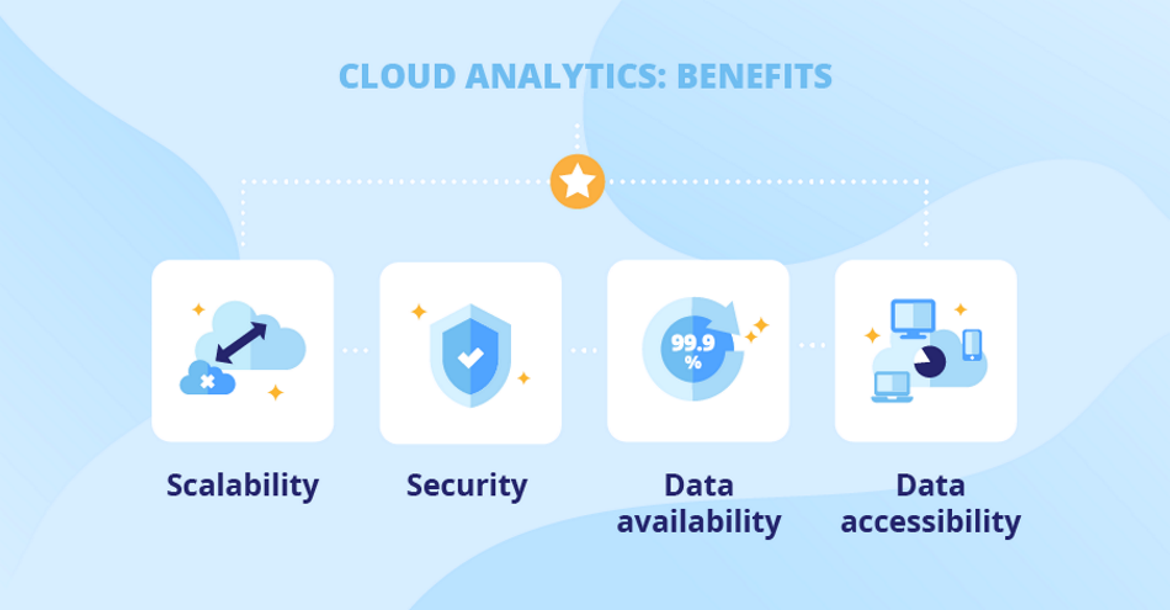
Every hedge fund manager desperately desires to get improvised analytics. That’s because the better the research analytics, statistically, the better the trading strategy’s performance. The public cloud offers hedge funds to perform deeper analytics and locate the factors affecting implementation. Likewise, most public cloud services applications provide enhanced analytics for hedge funds with spreadsheets.
However, Hedge Fund management platforms like MetaTrader 5 for Hedge Funds relieve you from switching between multiple platforms and perform multi-asset infrastructure on a single platform. Also, it provides you with different tools, strategies, analytics, a 17 years old substantial MQL5 community, and all markets in one place to manage your hedge fund unlike ever before.
5. Ensures Robust Security
Â
Â
Â
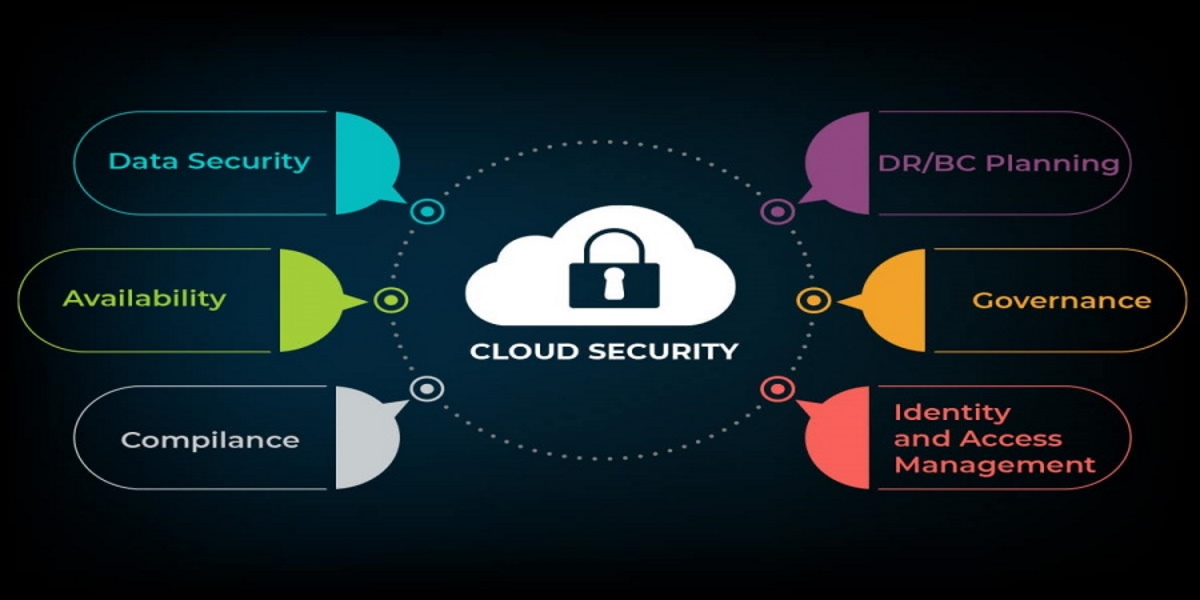
Hedge funds are attractive targets of cyber attacks, and most investment firms have to spend a fortune maintaining the privacy and security of their investments. Similarly, cloud systems are also targets of cyberattacks. But the platforms provide specifically designed super protected cloud infrastructures that enhance the security of your hedge fund.
Most cloud platforms spend a fortune on ensuring efficient cyber security. Rather than being exposed to cyber attacks relying on your security systems, it’s wise to rely on the team of professionals working 24/7 to enhance cloud security using ML-driven security solutions.
Cloud is The Future Hedge Fund Management
It’s unlikely for every hedge fund or investment firm to set up their private data centers. Also, cloud-based solutions will be inevitable for hedge funds because of the scalability, flexibility, and, most importantly, cost reduction. If the regulatory pressure increases with time, hedge funds should rely on cloud systems instead of spending on data centers.
Apart from that, third-party cloud platforms decrease operational risk, offer efficiency optimization, provide actionable insights, and ensure robust security. As a result, the cloud systems improvise the functionalities of hedge fund management with a significant cost reduction. Hence, we may see a substantial migration of the hedge funds towards the cloud system in the next few years.
