


A strong CRM system can provide nearly every department in a business the proper information to offer customers the experience that meets their needs. Every single interaction that a customer has with your company makes up part of their experience, and one glitch could result in a lost sale.
According to Microsoft’s report, customer expectations for service are higher than ever before. Nearly three-fourths of consumers stated that they always expect a customer service agent to know who they are, what they have purchased, and have insight into their previous engagements for every interaction. Unfortunately, if this level of service is not offered, it could end in losing a customer forever. In fact, 47% of customers would switch brands due to poor service experience.
To meet up to these high expectations, a robust set of consumer data is needed to create a CRM system that is actually useful. Simply knowing a customer’s name is not sufficient for the consumers of today. Your CRM system must help to maintain relationships through meaningful, real-time data.
To create a CRM system that can facilitate a better customer experience, there are four key data sources that you need to gather.
1. Referral Data
Knowing which marketing avenues are driving in the highest traffic is critical information for multiple reasons. First of all, this data is very important for a growing business to have a better understanding of their audience and how to appeal to more customers.
On the customer’s end, this information can also be used for more personalized interactions and more targeted content. In general, most customers will hear about your brand from social media, email, organic search, a print marketing ad, or a direct referral. Knowing which of these marketing avenues drove a customer to your brand provides great information on their preferences or needs.
For instance, say that a customer calls in to learn more about the B2B service you offer because they were referred to you from a colleague. This customer likely knows a good deal about your business already, so they need more detailed information and may have some specific questions. On the other hand, a social media follower that reaches out after seeing a post will probably have a more basic understanding of your company or product. 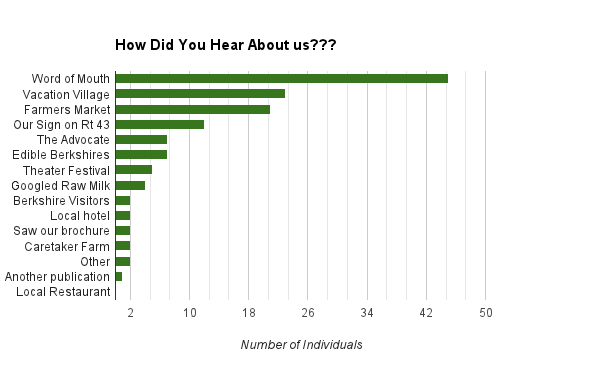
This data is also key for more customized communication down the road. Data-driven personalization is incredibly influential in terms of conversions and loyalty. By gathering this information, brands can apply customer data for more targeted marketing campaigns that connect segments through the channels they use the most.
2. Quantitative Data
Another key set of data points that is necessary for a useful CRM is quantitative, which are measurable points that can be counted. This could include information like the number of past purchases a customer has made, how many times they have interacted with customer service, or simply how many times they viewed a certain product on your website.
This information is crucial for determining where a customer stands along the buyer’s journey. It is also incredibly useful for making a customer feel like an important part of the brand’s community, rather than just another number in a database.
By greeting a customer with a message like:
Hi Theresa, thank you for being such a loyal customer for the past two years. I see that you made three purchases with us last month; are you calling in regards to one of those recent purchases?
You are instantly showing her that your support team knows who she is, is grateful for her business, and has the information to hopefully resolve the issue.
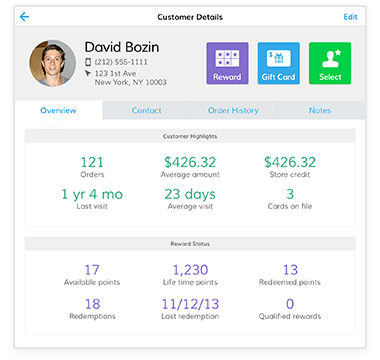
On the business side, quantitative data is also key for creating an accurate customer journey map, which can be used for sales and marketing strategies. Information like this can help to determine the average number of interactions before a purchase. Or, calculate the lifetime value of a loyal customer.
3. Qualitative Data
Qualitative data is a little bit harder to gather and organize, but it is essential for effective personalization. This information would be details like overall customer sentiment towards the brand, their attitude towards your products or service, or how knowledgeable they are about the industry. Clearly, this information cannot be surmised from basic interactions or a few questions on an account form.
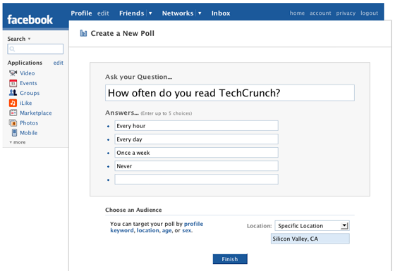
Market research surveys are the most straightforward approach for gathering this type of data. You may find it useful to send out surveys to customers from time-to-time or following a purchase or customer service interaction. Another form that is growing in popularity is using social media to capture sentiment data. Many brands are using social media monitoring tools and polls to gather quick feedback from their followers to see which products they prefer, topics they are interested in, or receive general feedback.
4. Descriptive Data
Finally, the last set of data needed for a successful CRM system is descriptive information that helps you understand a little bit more about the person behind the customer profile. This includes demographic information such as their location, average income level, age, and family status.
This information will make up the core of your customer accounts. Thankfully, this data is fairly easy to gather. Personal information (full name, birthdate, gender) and communication information (physical address, phone number, email address) is typically given by the customer when they create an account or make an online purchase. This will be the type of information that is used to identify a customer when they reach out to your business.
It is important to remember that some customers may not feel comfortable sharing all of this personal information. Be sure to differentiate which points are required for identification and which are optional. However, be sure to explain what the benefits are to sharing this data, such as customized content or perks like a birthday discount.

Conclusion
Today’s businesses rely on data in order to stay competitive and provide better customer experiences. It is critical to understand not only how to gather key data points about your customers, but also why it matters and how to apply it correctly.
Be sure that your entire team understands the importance of these four types of datasets so they can be leveraged in a way that improves the customer experience.


