

Whenever the business world adopts a norm of the technical field, it must brace itself for the forthcoming of an inevitable wave of cyber-attacks. Hackers and fraudsters find new techniques and target such firms which embrace new and successful strategies to protect them from any vulnerability.
It takes years of extensive research and months of complex coding to design a system that successfully protects data and ensures that the network stays secure. This pattern is observed over the years as with the shift of preference towards small-screen devices and the cloud-based infrastructure.
The latest development in such trends is the acceptance of third-party apps by organizations for essential operations. Now, since cloud advancements have escalated, organizations prefer to find a business with cloud-based providers. This has resulted in making the network far more complex and dense.
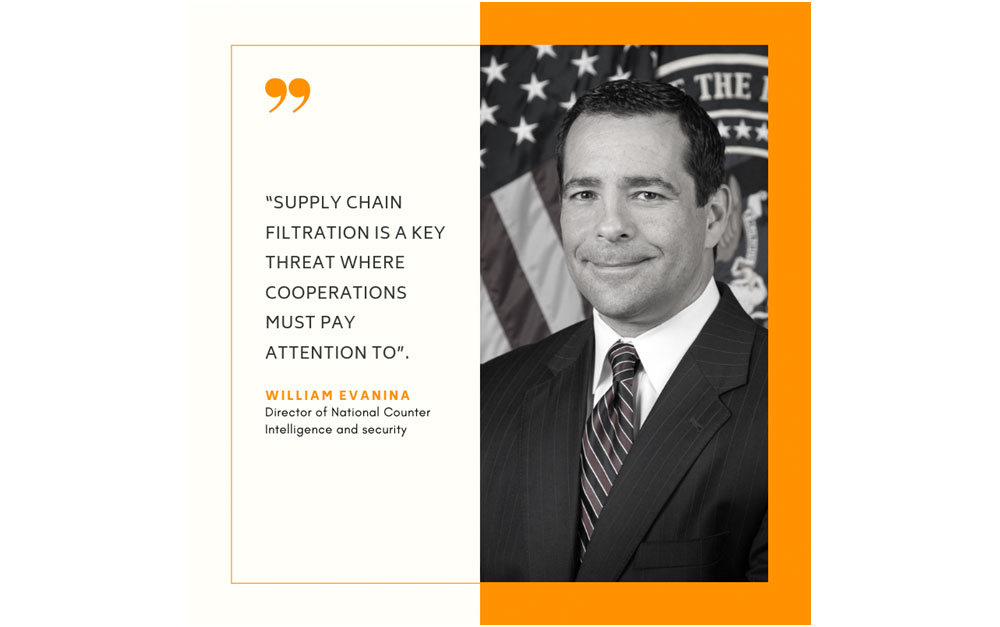
William Evanina, the Director of National Counter Intelligence and security announced that;
Not only that enterprise is relying on third-parties suppliers, but these suppliers are also entrusted with the access to sensitive information, data and mission-critical systems. Before we move on any further let’s understand what these apps are?
What Are Third-Party Apps?
A third-party application is created by a developer who is a specific product for open source or commercial purposes. For instance, if you manage an official hospital website which as a portal too that manages and keeps a record of the patients then you’d use a ton of third-party apps that are making the entire process simplified. Undoubtedly, the third-party application reduces overhead tasks in businesses, but they come up with risks which if not address can result in a privacy breach. The question is how to do these apps work and if there is any breach in recent past where these apps have contributed to a sad event.
How do Third-Party Risks Emerge?
The elevated interconnectivity helps to establish a dynamic working relationship and also exposes firms to a risk of cyberattack. A similar case was registered in 2015 when Anthem a renowned health insurance company‘s security was breached, and a hacker got away with information of 79 million people. This hacking became possible when the fraudsters used stolen passwords and made the company liable to pay litigation of $110 Million to the U.S. government.
Hackers and fraudsters target partners and suppliers so that they exploit maximum targets. A study by Ponemon shows that 59% of enterprises have experienced data breaches by any one of the third-party they use. The companies also include the health sector which is at open risk just like a sugar grain is left for an ant.
Ciara Martin, CEO of the National Cyber Security Centre told at CBI Cyber Conference that these third-party risks were one of the five priorities on the boardroom meeting this year. Since the problem is identified, now it’s time to discuss the possible solution.
How to Overcome Third-Party Risks?
Firms should start with a list of all the third-party suppliers, and alongside that, they should prioritize them based on the following three factors;
- Security posture
- The potential impact of a breach
- Importance to the company
Moreover, companies should understand that how these third-parties work and are connected to the overall framework of the firm’s infrastructure. Once it is all assessed, firms need to establish their own governing to audit third-party apps and address their unmitigated risks. Such an audit will also cover which risks are acceptable and what are the consequences if a firm does not address a known security threat.
An audit framework like this will lay the foundation to asses’ security threats and will make your company self sufficient. However many companies overlook such periodic surveys and end up getting a heavy blow on finances.
A Dynamic Approach
Considering how rapidly threats are emerging and evolving, any report by an external source can get outdated anytime soon. The implementation of a network that identifies a discovery of threat is inevitable. Keeping up with the ever-shifting landscape is considered as a dynamic approach to deal with the odds. Implementing audits third-party apps and enables you to monitor any threat in real time.
The new interconnected business is becoming complex as ever; companies are now armed with new approaches like the ones mentioned above that shows your approach towards managing third-parties effectively and most dynamically.
