


What’s the first thing you imagine when you hear the word blockchain ? Probably Bitcoin, Ethereum, or maybe other cryptocurrencies.
Transactions with cryptocurrencies are a significant and noticeable part of blockchain technology indeed. However, did you know that it doesn’t belong only to the world of finance? According to the latest forecasts, the global market revenue from blockchain technologies will reach $20 billion by 2024.
This technology enables you to transfer any digital documents and files (be it money, invoices, or contracts). What other benefits does blockchain offer? The transparency of operations allows the blockchain to store and process personal data and identify people.
Therefore, it is actively developing and penetrating various fields, including eCommerce. Given such popularity of cryptocurrencies, it’s high time for you to consider building a blockchain-based eCommerce platform or integrate it into the existing one. This article will overview blockchain and how it is changing the online trading industry.
Blockchain Technology in Simple Terms
The term blockchain speaks for itself. It’s a continuous chain of blocks that records transactions and other data.
These blocks create a database and exist in peer-to-peer networks. Their participants share the blocks between each other and can’t alter or delete records compared to other databases. Instead, you can only add new ones.
What Makes the Chain So Safe?
1. You can’t break the chain
First, you can’t break it as each block links to the preceding one and is marked with a unique stamp (hash sum).
Suppose you track the number of sold goods. Let it be cups. When their quantity changes, the previous record remains in the system, and a new one appears to track the current data. So you can see where the cups went.
Such an order is fixed and can’t be rearranged. What happens when you try to modify it? An inconsistency will arise, resulting in a systematic rejection of the action.
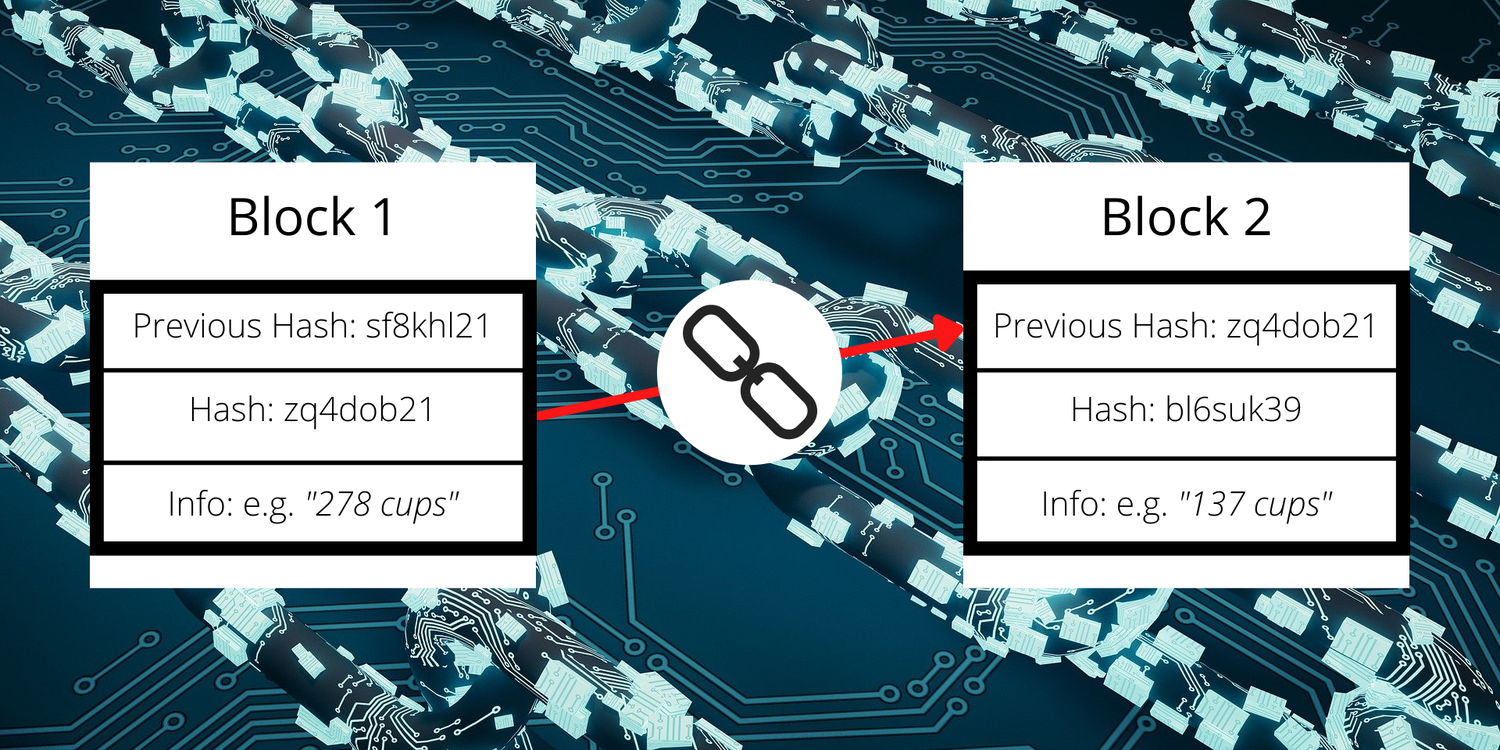
Image: Pixabay
2. Advanced security
Another blockchain feature is its approach to security. The system relies on two concepts to prevent the chain blocks from being updated:
- PoW (proof of work);
- PoS (proof of stake).
3. Distributed registry
Finally, the chain and its data are scattered between numerous independent users. Another common term for such a case is distributed registry. Therefore, when something changes for one member, the modifications are automatically updated in all registries.
It makes the data reliable the following way:
- The participants won’t cheat on one another.
- The data will remain in the system if something happens to one of the computers.
- It’s almost impossible to damage the chain because it doesn’t have a single center.
It also frees you from third parties or intermediaries, such as banks, when making transactions.
How can blockchain affect eCommerce?
According to Marketing Charts, around 67% of advertising executives expect blockchain to find new implementations in the future. 42% of the respondents consider it to be the main tech ecosystem for digital advertising.

Image credit: Marketing Charts
The focus is on transaction transparency, data security, and cost reduction. Here are four benefits of blockchain in eCommerce.
The Impact of Blockchain Technology on Online Retail
1. Personal Information Protection
Transactions are one of the first things worth noting as online retail is closely linked to money. Commercial platforms keep all data, including consumer banking information, on their servers in one place.
Here is how blockchain can ensure financial security. Blockchain networks imply using cryptographic keys, which are digital codes, to validate transactions between the business owner and the customer. Such a code is impossible to decrypt, making blockchains one of the most promising options for financial transactions.
Besides, the hashing algorithm ensures immutability. It means you can’t erase or update existing data. As a result, blockchain provides a strong network, protecting online merchants and their customers from cyber threats.
Is blockchain flawless? There were cases of wallet hacking in the past indeed. The solution is to connect wallets only when you need to make a transaction and then leave them offline the rest of the time.
2. Supply Chain Optimization
The basic supply chain system involves the following groups:
- food or raw material providers;
- manufacturers;
- logistics businesses;
- retailers.
As their relations should be based on trust (which they usually lack), they need dependable technologies, such as blockchain.
How can it be a great fit for a supply chain network? The cryptographic methods prevent data falsification, as the system stores the history and distributes it to all network participants.
Another benefit deals with supply chain management. Blockchain helps you reduce manual work and transmit data within a safe and dependable architecture. It also allows you better understand the whole path of the goods based on the information about all prior activities from the beginning.
WOWTRACE is one of the most well-known solutions for tracking stocks. It provides data on the item origins and connects manufacturers, distributors, and even consumers.
3. Fast and Easy Payments

Image credit: Pixabay
Another fantastic feature of blockchain technology is near-instantaneous transactions. However, it may take some time for them to confirm. The waiting time depends on the consensus algorithm of a particular blockchain network.
Blockchain helps to complete transactions in seconds because of smart contracts. What does it mean for the eCommerce world? As miners record the transactions, it reduces the charges. You only pay to maintain and operate the blockchain network.
The commissions are also lower than what banks or other typical intermediaries charge. It means getting paid faster and paying less.
4. Reducing Risks and Costs
When the supply chain is inefficient, it results in a considerable amount of waste. This issue is common in industries dealing with perishable goods. Blockchain helps companies discover these weak areas because of improved traceability and data transparency.
Speaking of reducing risks, let’s mention blockchain-based data certification solutions. One of the examples is Stampery. It’s a blockchain electronic notary providing proof of ownership, existence, and authenticity. In addition, it eliminates any chance of document forgery.
Similarly, this technology allows you to trace any activity or change for the full length of interactions. That’s why blockchain technology is a fantastic solution for dealing with business-critical information, such as ownership proof or receipts.
Final Thoughts
Interest in blockchain grew along with the popularity of cryptocurrency. Today it has gone beyond the world of finance and transactions with Bitcoin and other cryptocurrencies.
Blockchain is involved in storing and processing personal data as well as identification in computer games and marketing. It can strengthen trust and validate the legitimacy of products and reviews, thereby offering a disruptive approach to the needs of the eCommerce market.
