


A study published by eMarketer in 2016 predicted a double-figure increase in the eCommerce sector, topping out at an estimated $4.058 trillion by 2020.
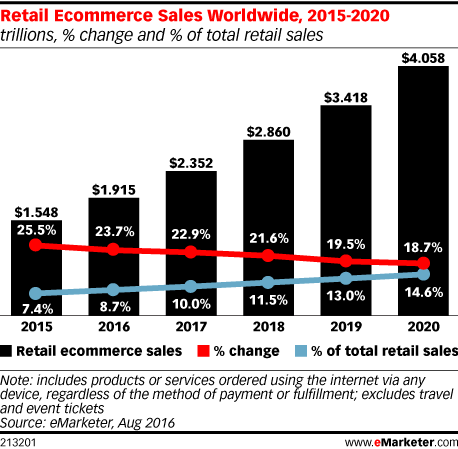
Not too many industries have such a rosy outlook. In this article, we’ll take a look at some of the initiatives that are likely to take the eCommerce industry by storm, allowing you to remain a step ahead of both the technology curve and your competition.
#1. Quicker Shipping and Improved Logistics

Image source: Andrea Piacquadio from Pexels
While convenience and relative ease of use are the domain of eCommerce, brick and mortar stores have an advantage that shopping sites don’t: immediate availability of purchased items. Typically, buying from an eCommerce platform means having to wait a few days for your item to be delivered.
However, that’s about to change. While generally tight-lipped about its performance metrics, Amazon ships 2.5 billion packages per year throughout the world using its Amazon Prime and the free one- or two-day delivery commitment. These numbers were just released in 2019, and there is no reason to believe that things would be slowing down any time soon.
Expect other companies to growth hack their strategies similar to Amazon Prime and Amazon Now, another premium service of the eCommerce king’s, which commits to within-the-hour delivery of purchases in select urban areas.
#2. Improved Integration of AI for a Better Shopping Experience

Image source: Alex Knight from Pexels
Given the abundance of data available regarding our preferences and habits, expect eCommerce sites to leverage this to create shopping experiences that marry the personalization of eCommerce with the warmth and approachability of a brick and mortar store. To boost their eCommerce sales, the majority of eCommerce platforms use information such as past purchases, past discarded items, and even time spent reviewing an item page to make recommendations to shoppers and induce purchase more effectively with recommendations that make sense.
#3. Deploying Chatbots

Image source: mohamed Hassan from Pixabay
The use of chatbots as a tool for customer service has long been in practice, but recently, bots have been deployed to serve as shopping assistants for customers as well. Similar to podcasting, they can also provide additional product information, suggest alternatives to unavailable items, and the latest deals. Most of all, having someone to talk to and consult with closely simulates the experience of shopping in a brick and mortar store.
#4. Tighter Security for Customer Comfort

Image source: Gerd Altmann from Pixabay
While customers have grown more comfortable with the idea of buying from an eCommerce platform, the proliferation of the review-online-purchase-offline practice remains in place largely because of shopper concerns about security. The next generation of successful eCommerce platforms must be enabled with SSL certificates and should be PCI compliant. More importantly, these security measures should be communicated to shoppers throughout the buying process.
#5. AR and VR Usage

Image source: RAEng_Publications from Pixabay
These two reality-bending technologies have been regarded in the past as something of a gimmick. Still, their power, allowing customers to visualize the impact of products on their lives more fully, can no longer be ignored. Showing a shopper how a particular article of clothing would look on him and his body type, instead of compelling the shopper to imagine how it would look, makes for a more complete, immersive shopping experience.
#6. Widespread IoT Integration and Purchases via Voice Search
Image source: methodshop from Pixabay
Using internet-enabled smart devices to drive eCommerce engagement and purchase will likely become more and more popular as these items become more widespread. Certain common household appliances such as refrigerators and dishwashers have come preinstalled with apps that track usage of items such as milk, dishwashing liquid, and other staples. These appliances can then be automated to order directly and independent of any human interaction with them. This creates a potential new purchase funnel that eCommerce sites will have to account for.
Also, the ubiquity of digital assistants such as Amazon’s Alexa has made voice searching another powerful tool for eCommerce sites to leverage on.
#7. Boosted Brand Loyalty

Image source: Gerd Altmann from Pixabay
Learning to use a website is like learning to use a new piece of software. While we may have learned to use thousands of websites over the years, research indicates that people only ever go to a handful of sites regularly. This is partially because each site was designed to have its own process flow, and thus encourages new users to undergo a training program to extensively understand the process flow to engage with all the site’s functionality.
This has led eCommerce developers to believe that aside from a good presentation, brand loyalty will probably be very deeply ingrained in the eCommerce shoppers of tomorrow. As sites come to understand their shoppers’ preferences and dislike more and more deeply, the personalized shopping experience they provide aligns more closely with what shoppers are looking for. This creates a cycle of stability and comfort that is beneficial for shoppers and platforms alike.
Final words
With so many new technology trends in eCommerce popping up, remaining in lockstep with the changes has become a true challenge. How do eCommerce platforms retain what their customers love about their site and its user experience, while at the same time, innovate continuously to keep up with the pace of the competition? Only time and user preference will be able to tell which of all the players in the market will remain viable, and which ones will fade away.
Which eCommerce platforms are your favorite? Let us know by leaving a comment below.
