

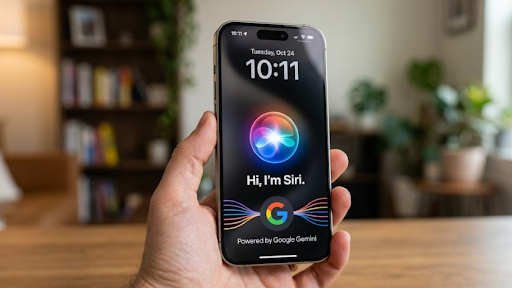
No question about it: technology is an indispensable part of modern life. Wherever you turn, you see people, young and old, with their faces buried in their mobile devices.
And now, as the coronavirus pandemic blazes across the globe, technology has become, for many, the last bastion of normalcy. Now more than ever, technology is how we continue to do our work, to pursue our education, and to engage with friends and family. We are using technology to find entertainment, comfort, and distraction in a dramatically altered world.
But for all of the remarkable benefits of technology today, there are problems–from the physical and psychological to the social and economic. This article looks at some of the problems associated with modern technology, and the advancements being made to combat them.
Psychological Health
Studies increasingly show that extensive use of technology, especially social media outlets such as Facebook, Twitter, and Instagram, is wreaking havoc on users’ mental health. The risk is especially high for children and teens, with significant social media use being associated with increased rates of depression and anxiety. The rates of depression increased by 33% for children in 8th through 12th grade in a mere five-year span between 2010 and 2015.
For all the psychological harms that technology overuse can cause, many potential benefits exist when technology is used responsibly and in moderation. For example, there are apps that have been created to help users reduce stress or to connect immediately with qualified mental healthcare providers.
Physical Health
Not only is our psychological health being impacted by modern technology, but our physical health is as well. According to a recent study by the Bureau of Labor Statistics, more than 13% of Americans now work in sedentary jobs. In addition to increasing the rates of sedentarism, those tiny little screens carry big risks when it comes to the spread of infection.
Our mobile devices get carried into some pretty gnarly places, and those touch screens suck up every microscopic critter that might be hitching a ride on your hands or on the surfaces you put your phone on. In fact, studies show that cell phones are often among the most contaminated surfaces we’ll come into contact with on any given day. As much as 10 times the amount of bacteria as can be found on a typical toilet seat can be on your phone, making frequent sanitizing a must.
Heavy technology users are also exposed to excessive amounts of blue light emitted from digital screens. Blue light has been associated with everything from vision impairment to sleep disturbances. Fortunately, blue light blockers are increasingly available, from glasses to screen covers. These blockers tend to be quite accessible, affordable, and effective in protecting the eyes and supporting restorative sleep.
In addition, the advent of telemedicine is revolutionizing the practice of medicine. This includes ensuring immediate access to care providers for individuals who may have difficulty traveling to clinics. Consumers also have access to wearable health technologies. These provide immediate health data, both to the users and, as needed, to their healthcare providers. They make it easier than ever to identify and address a potential health issue before it can erupt into a full-blown crisis!
Financial Health
One of the most significant concerns people have about the breakneck speed of technology development today is that it might put the human worker out of business. Younger workers, in particular, seem to worry the most about their jobs being overtaken by automation.
Those fears may be well-founded. Current estimates hold that as many as 73 million jobs may be lost to automation by the year 2030. Robots are usually faster and more accurate. In addition, they don’t need a paycheck or a retirement plan, and if you hear them complaining, that probably means it’s time for you to take a vacation!
Technology isn’t just threatening people’s jobs, however. In many ways, it’s saving jobs and even paving the way for better ones. For example, virtual reality technologies are now being used to help workers train for some of the most challenging and in-demand jobs. These jobs include everything from surgical training for young residents to live-fire simulations for military and police forces.
Technology today is not only preparing workers for highly specialized careers, but it’s also making them better at their jobs. In other words, rather than putting you out of work, technology might get you a job and help you keep it!
The Takeaway
There are good and bad sides to most everything in life. Technology is certainly no different. While technology threatens users’ mental health by increasing the risk of depression and anxiety, it can also dramatically increase access to essential mental healthcare. And even as technology risks the spread of bacteria and viruses and promotes sedentarism and poor quality sleep, it is also driving the quality of healthcare that many people receive. Finally, while automation threatens to eliminate thousands, if not millions, of jobs, it is also proving its enormous benefits in preparing workers for new and better careers.
