


The possibilities that IoT brings to the table are endless. IoT continues its run as one of the most popular technology buzzwords of the year, and now the new phase of IoT is pushing everyone to ask hard questions about the data collected by all devices and sensors of IoT.
IoT will produce a tsunami of big data, with the rapid expansion of devices and sensors connected to the Internet of Things continues, the sheer volume of data being created by them will increase to an astronomical level. This data will hold extremely valuable insights into whats working well or whats not.
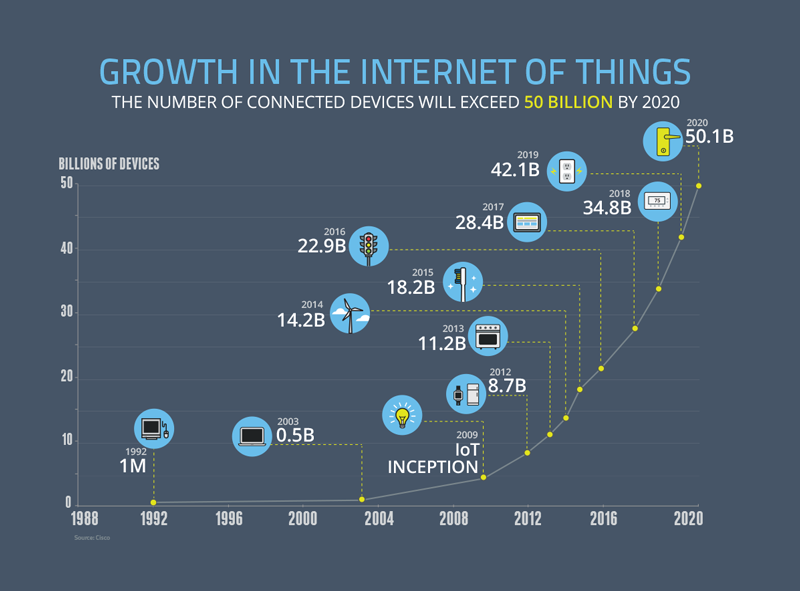
Also, IoT will point out conflicts that arise and provide high-value insight into new business risks and opportunities as correlations and associations are made.
Examples of IoT data
- Data that helps cities predict accidents and crimes
- Data that gives doctors real-time insight into information from pacemakers or biochips
- Data that optimize productivity across industries through predictive maintenance on equipment and machinery
- Data that creates truly smart homes with connected appliances
- Data that provides critical communication between self-driving cars
Thats the good news, but its simply impossible for humans to review and understand all of this data with traditional methods, even if they cut down the sample size, simply takes too much time. The big problem will be finding ways to analyze the deluge of performance data and information that all these devices create. Finding insights in terabytes of machine data is a real challenge, just ask a data scientist.
But in order for us to harvest the full benefits of IoT last mile (data), we need to improve:
- Speed of big data analysis
- Accuracy of big data analysis
The only way to keep up with this IoT-generated data and gain the hidden insights it holds is using AI (Artificial Intelligence) as the last mile of IoT.
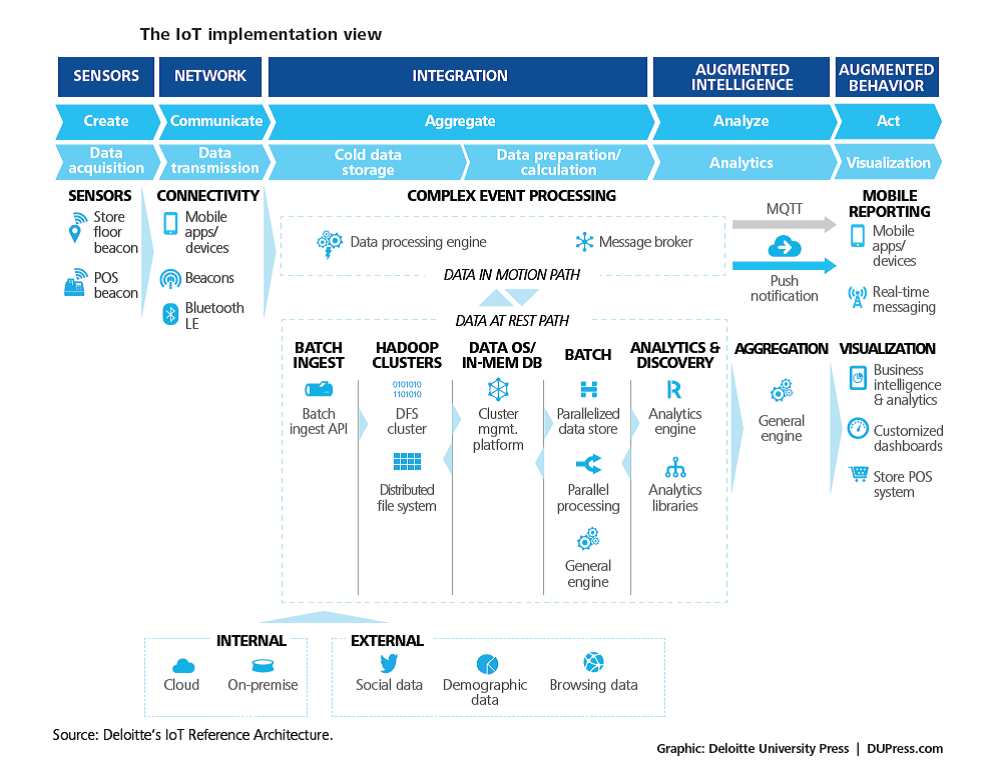
Artificial intelligence (AI) and IoT
Artificial intelligence (AI) is the intelligence exhibited by machines or software. It is an academic field of study which generally studies the goal of emulating human-like intelligence. John McCarthy, who coined the term in 1955, defines it as “the science and engineering of making intelligent machines”
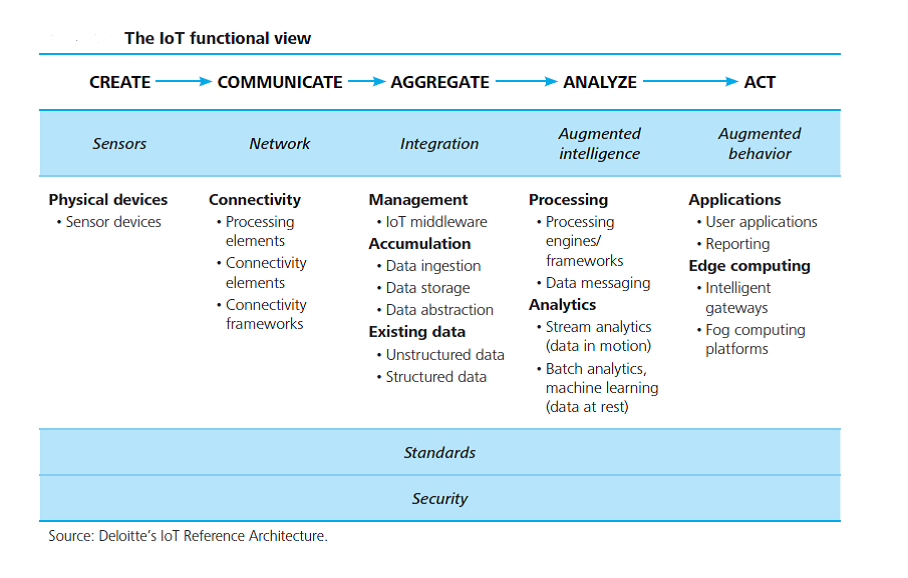
In an IoT situation, AI can help companies take the billions of data points they have and boil them down to whats really meaningful. The general premise is the same as in the retail applications review and analyze the data youve collected to find patterns or similarities that can be learned from, so that better decisions can be made.
To be able to call out potential problems, the data has to be analyzed in terms of whats normal and whats not. Similarities, correlations and abnormalities need to be quickly identified based on the real-time streams of data. The data collected, combined with AI, makes life easier with intelligent automation, predictive analytics and proactive intervention.
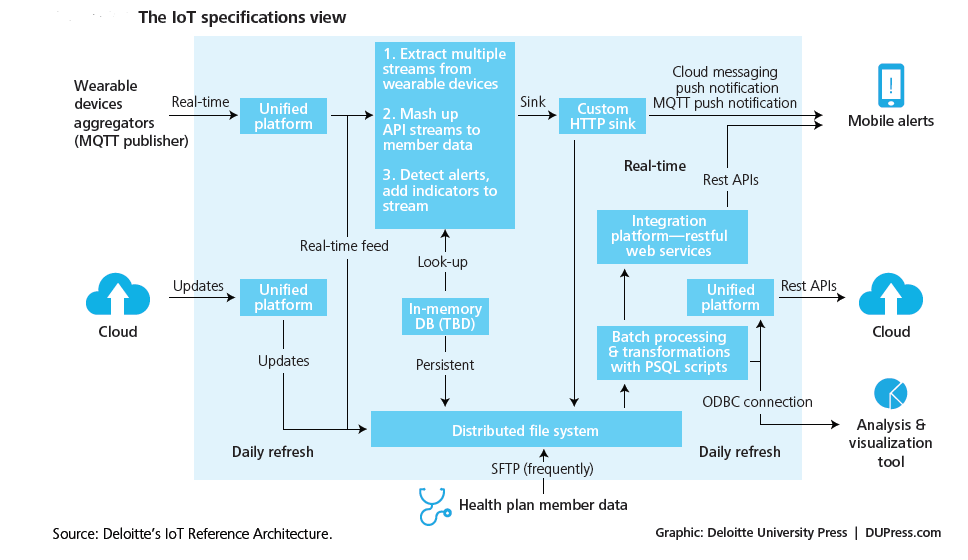
AI in IoT Applications
- Visual big data, for example will allow computers to gain a deeper understanding of images on the screen, with new AI applications that understand the context of images.
- Cognitive systems will create new recipes that appeal to the users sense of taste, creating optimized menus for each individual, and automatically adapting to local ingredients.
- Newer sensors will allow computers to hear, gathering sonic information about the users environment.
These are just a few promising applications of Artificial Intelligence in IoT. The potential for highly individualized services are endless and will dramatically change the way people live, for example helping Pandora to determine what other songs you may like, Amazon.com to suggest other books and movies to you and your doctor would receive notification if a certain condition was met your heart rate increased to an unsafe level.
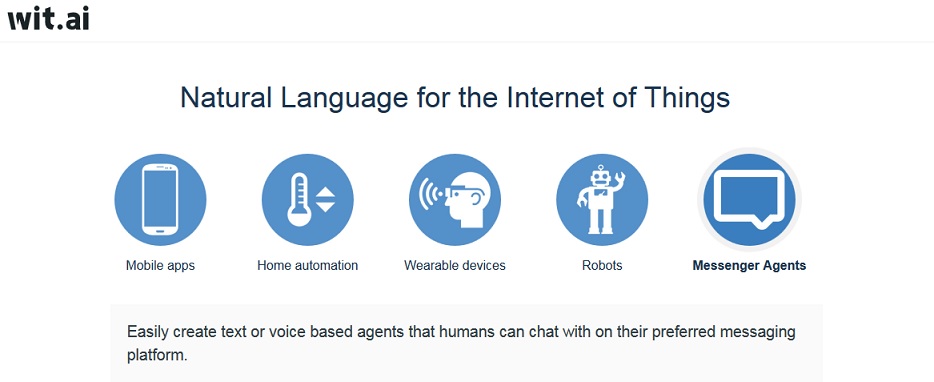
Challenges facing AI in IoT
- Compatibility
- Complexity
- Privacy/Security
- Safety
- Ethical and legal Issues
- Artificial Stupidity
What is Next ?
Gartner predict that by 2018, 6 billion connected objects will be requesting support meaning that strategies, technologies and processes will have to be in place to respond to them. It will become necessary to think of connected devices less as things, but more as customers and consumers of services in themselves and as such in need of constant support. The need for AI will be more prominent at that stage under the pressure of the huge number of devices and sensors.
