

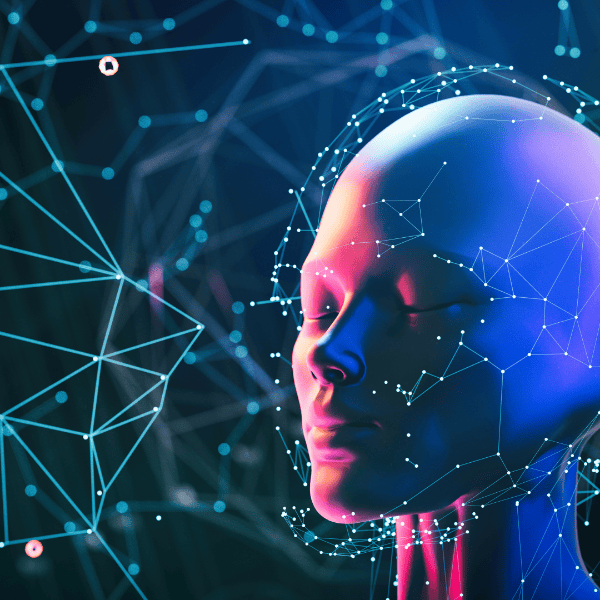
Nearly everyone in America has seen the Terminator movies, a film series starring Arnold Schwarzenegger where machines learn and grow beyond the control of mankind. Surprisingly, this reality is closer than you might think “ sans world domination by a self-aware species of artificial intelligence (AI).
Today, an advanced form of artificial intelligence technology called machine learning “ as its name implies “ empowers machines to learn. AI can radically transform the way that healthcare providers deliver care. The technology is the next natural progression in the deployment and utilization of complex big data analysis.
The Road Ahead for Healthcare Is Paved With AI Technology and Data
Now, data scientists use artificial intelligence to analyze massive amounts of patient information. In fact, United States healthcare organizations have invested more than $32 billion in eHealth technology to date.
Care provider organizations can make use of an enormous amount of information now that they are enabled to effectively analyze it using automated systems. The outcomes of data analysis using artificial intelligence have resulted in improved clinical research, patient management, pharmaceutical discoveries and robotic surgery outcomes. Organizations that use artificial intelligence to analyze data are participating in an industrywide transformation that makes caregiving more effective and efficient.
Furthermore, a subdiscipline of AI called machine learning now allows computers to learn. It makes use of algorithms that interpret an enormous amount of information from connected medical devices to forecast treatment outcomes.
Treatment forecasting, however, isn’t the only areas where healthcare professionals are leveraging artificial intelligence. Researchers are experimenting with ways to use it for other applications, such as contextual awareness, gesture control, image recognition, natural language processing and predictive analysis. Eventually, AI will surpass the intelligence of the most qualified humans.
Securing Patient Data With AI Technology
Apparently, the more that technology advances, the more security becomes a threat. Fortunately, blockchain technology may provide a solution. Care provider organizations are exploring the capability of the technology to secure sensitive patient information.
Patient information is particularly enticing for malicious actors because it sells at a price that’s 10 to 20 times higher than credit card numbers. This is because patient records are everlasting, as opposed to credit card numbers that consumers can easily change.
To help get their staff up to speed on the latest developing AI technologies, many healthcare organizations have been leveraging online resources for artificial intelligence and blockchain.
Initially, implementing blockchain systems will be the responsibility of organizational information technology (IT) specialists. However, as systems become standardized, health professionals such as nurse practitioners will claim an important role in effectively working with this technology.
As a result, healthcare workers will find that staying informed about technology is an increasingly important part of their role as professional caregivers. In the future, frontline healthcare staff members will likely work with IT professionals frequently.
The Emerging Need for Complex Data Analysis Solutions With Artificial Intelligence
Today, blockchain “ the underlying technology of most cryptocurrencies “ is almost as renowned as this revolutionary new digital financial instrument. Analysts forecast that the adoption of blockchain technology to secure electronic health records (EHRs) will surge from 15-percent to 55-percent between 2015 and 2025. As this occurs, artificial intelligence technology will play a critical role in enabling healthcare organizations to make meaningful use of an enormous amount of information.
AI systems will enhance the skills of veteran clinicians. It will help them to optimize performance and reduce errors. Already, the technology is promoting improvement in diagnostics, drug marketing and prescription compliance.
Business analysts forecast that investment in artificial intelligence in the healthcare field will expand an impressive 40-percent through the year 2021. In effect, AI systems will revolutionize how healthcare providers think about diagnosis and treatment.
AI technology can foster a positive and meaningful change throughout the health care field. As in other fields, some professionals worry that technology made one day replace their roles. This is true “ to an extent. However, it’s important to recognize that the technology is intended to aid human effort, not replace it. In reality, the role of tomorrow’s professionals will shift. Organizations will need experts who are skilled in working with advanced technologies such as artificial intelligence.
Rather than fear AI, professionals should embrace the technology. It helps to look at the situation from the perspective that this innovation will empower workers to improve and transform society.
Technology is everywhere. Tomorrow’s professionals will have a wealth of options. The latest technologies are creating an exciting crossroads at the intersection of healthcare and information management.
The emerging workforce will soon be empowered by the capabilities of advanced technologies such as AI and predictive analytics. These advancements will improve the patient experience as well as their treatment outcomes. Remarkably, however, artificial intelligence is just the beginning of the latest technological revolution.
