

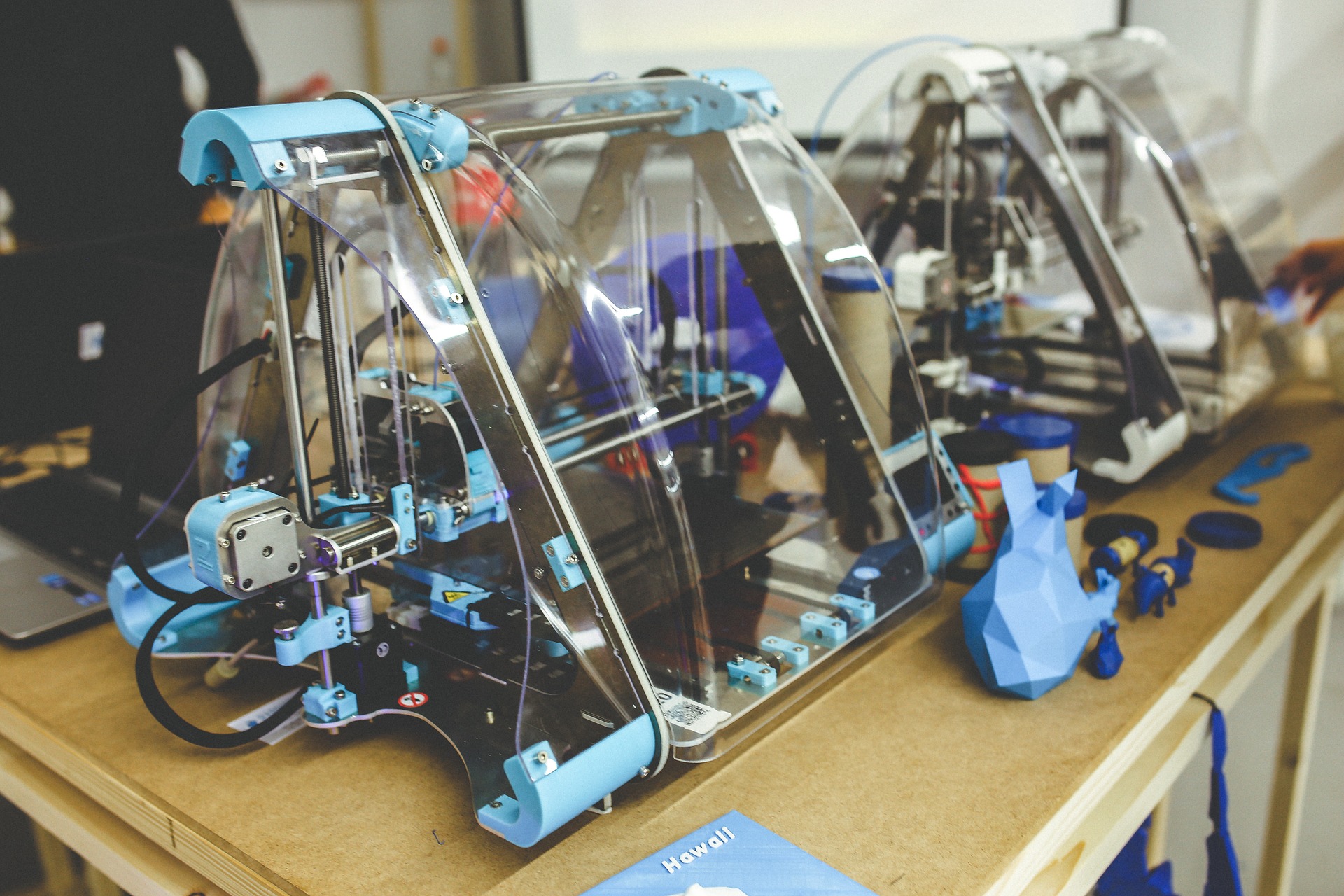
3D printing has seen some remarkable advances over the past few years. Improved technology has paved the way for more varied printing materials, making additive manufacturing a more versatile production method. One of the more intriguing developments to come out of this field is 3D printed food.
NASA began researching 3D printed food in 2006 and made a machine that could print pizzas in 2013. More recently, food tech companies have started to pursue 3D printed meat. As consumer concerns over meat grow, this 3D printed alternative could revolutionize the food tech industry.
Developments in 3D Printed Meat
On June 30, food tech startup Redefine Meat unveiled the first plant-based steak alternative, the Alt-Steak. Not only is the Alt-Steak an entirely vegan steak, but it’s also 3D printed. High-end restaurants will start featuring Alt-Steaks later this year, with Redefine Meat pursuing large-scale production in 2021.
Redefine Meat isn’t the only company pursuing 3D printed meat, either. Another startup, Aleph Farms, uses bovine cell-based bioprinting to print meat that mimics beef at the cellular level. In theory, this process produces something with texture and taste identical to farm-grown beef.
Recreating meat’s texture has proven a challenge for years, but 3D printed food is getting closer. Spanish firm NOVAMEAT is trying to solve this problem by reorganizing vegetable protein nanofibers to mimic animal proteins.
With all of these companies advancing 3D printed meat, it may not be long before it populates markets.
Benefits for Consumers
The pursuit of 3D printed food, specifically meat, is more than just a science experiment. As health and climate issues have grown, two-thirds of consumers now say they’re looking for alternatives that avoid meat’s negative effects. 3D printing beef and other meats can help address these concerns.
The meat industry has faced criticism for health and animal cruelty issues for decades. Not only does 3D printed meat avoid any animal slaughter, but it allows companies to take control of its nutritional content. By adjusting their materials, they can make a product that tastes like meat but doesn’t share its fat or cholesterol content.
Cutting back on meat or giving up on it entirely can be challenging for some consumers. 3D printed food enables them to consume more ethical and healthy products without sacrificing flavor.
Business Benefits of 3D Printed Food
Consumers aren’t the only ones to benefit from this new trend in food tech, either. 3D printing is famously much faster than traditional manufacturing methods, so 3D printed food could help companies keep up with growing demand. As the population grows, this manufacturing speed could provide a helpful advantage.
As climate concerns have grown, the meat industry’s contribution to pollution and resource depletion has come under question. Since 3D printed meat doesn’t share these concerns, it could help food companies become more eco-friendly. With 65% of modern consumers wishing to buy sustainable products, these green alternatives could translate into monetary benefits.
In manufacturing, 3D printing provides a faster, cheaper and more versatile alternative to traditional techniques. Now that 3D printed food is catching on, this technology could bring the same benefits to the food industry. 3D printed meat is leading this charge.
Even Food Is Undergoing a Tech Transformation
Few, if any, industries today aren’t experiencing a tech-driven transformation. While food isn’t a field often associated with technology, it’s no exception to this trend. Advancements like 3D printing are bringing a sector even as old as food into a new era.
3D printing can make food like meat healthier, sustainable and more accessible. In the face of growing climate and health concerns, that’s never been more crucial. While it’s still in its infancy today, 3D printed meat could be the future of food.
