


Every business owner understands that information is the key to success. Customer information, market-related data, all the way to research and studies, knowledge is indeed power. This is especially relevant for companies in the financial sector that strive to provide a diverse and personal service with each passing year. To achieve that, financial institutions and private ventures in finance have started using various tech tools and innovations.
Starting with big data analytics, all the way to artificial intelligence and machine learning, technological innovation is rapidly changing the financial sector. This approach gives companies a competitive advantage in their markets and it helps them become industry leaders.
However, these fast-evolving trends are impacting the end-user, too, and not just the enterprise. Fintech companies are using all these innovative tools to impress and earn the trust of their customers. Then again, the customers are looking to educate themselves and make smarter investment decisions with the help of AI and tech.
The entire financial ecosystem and all the players within it are adapting to this new way of doing business. Understanding the key factors, including big data, AI, and overall tech innovation can help you position your own business better in this ever-growing financial market.
Elevating the customer experience
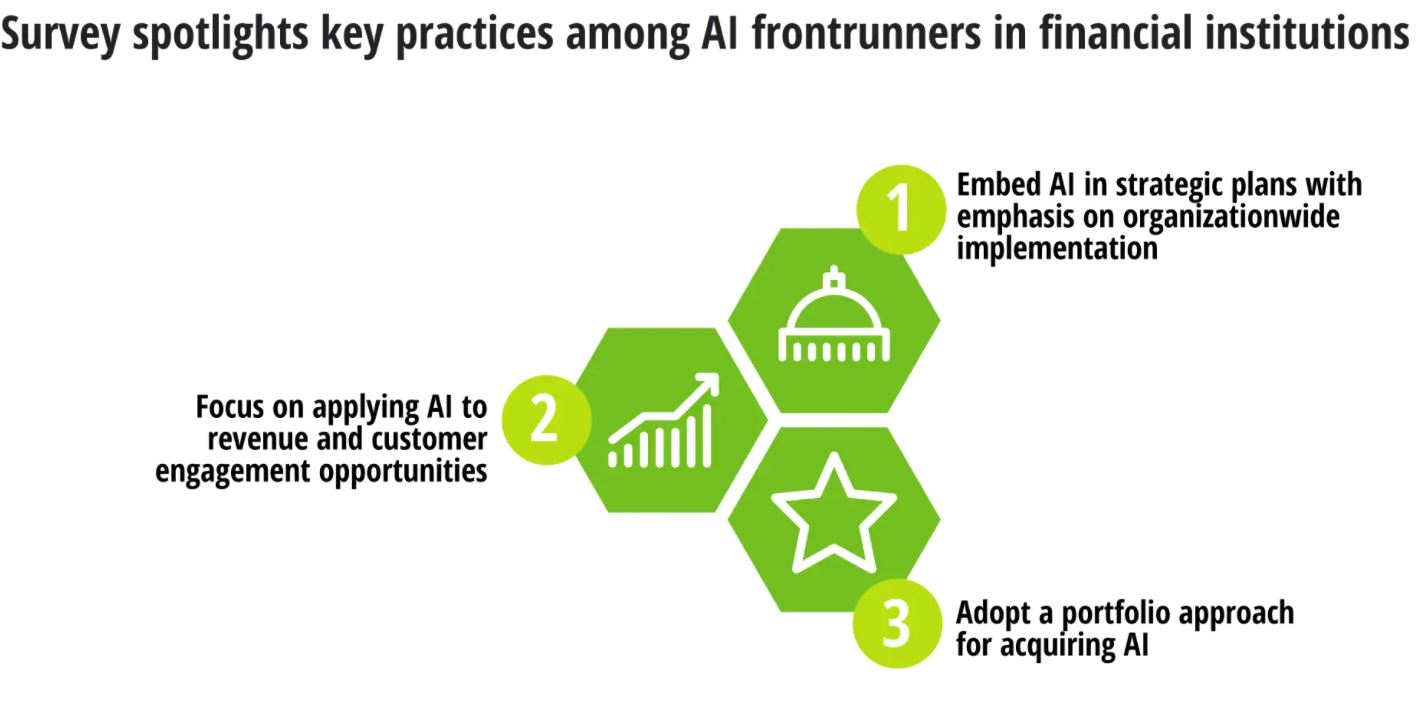
People are busy and they want quick and effective solutions. This is especially vital for all their financial decisions. That is precisely why all banks need to be on top of their clients’ needs at all times, and even anticipate them with care. This is only possible with the use of big data analytics and AI implementation tools.
Take, for instance, enterprise help desk chatbots in your customer service sector. They reduce the workload for your teams, but they also provide a quick, informative response for your customers. Built with AI technology and leveraging big data, chatbots have become the pinnacle of seamless support.
To take it a step further, companies are implementing voice chatbots for providing smarter assistance across multiple channels.
Smarter, more personalized targeting
Targeting specific subgroups and customer categories can be a tedious task without the use of tech. They all have very specific behavioral patterns, pet peeves in handling their finances, and shared concerns. Fintech companies can use this knowledge to locate and market to these potential customers more effectively.
Even more importantly, they can use the data and the AI tools to come up with even more personalized solutions for each of these demographics. As you attract more users, you are able to collect more invaluable data on their preferences from their digital footprint to deliver optimized content and experience. Over time, such databases become the basis for personalized offers, discounts, and customer-centric solutions in the finance sector.

Diversifying payment opportunities
In addition to simplicity, the modern customer likes having options. Replicating the supermarket concept, the finance sector has become a vast shelf of opportunities. Customers like being able to pay when and how they want, and with as many options as humanly possible. Add the pandemic into the mix, and the financial instability makes them more prone to accepting installments and buy now, pay later programs.
Knowing what customers want, more payment companies such as humm90 are emerging in an attempt to provide this diversification. The buy now, pay later model is proving to be a lucrative opportunity more fintech companies are embracing. As a result, more e-commerce platforms are gladly integrating such offers, too.
This is only possible with the use of big data analytics that helps in demystifying customer behavior. Additionally, AI-driven platforms are here to deliver such payment diversity.
Advanced market forecasting
Just like logistics companies use AI to predict supply and demand, fintech brands use AI to make smarter predictions. With the ability to sift through enormous piles of information, ML tools have the capacity to provide actionable ideas to financial companies.
Unlike time-consuming and error-prone manual labor, data research left to machines eliminates the risk of human bias, as well. As a result, financial businesses can recognize the first signs of new trends on the horizon. Some even use this data to spot drops in customer interest for specific offers in order to replace them with more suitable alternatives.
Improving security with fraud prevention
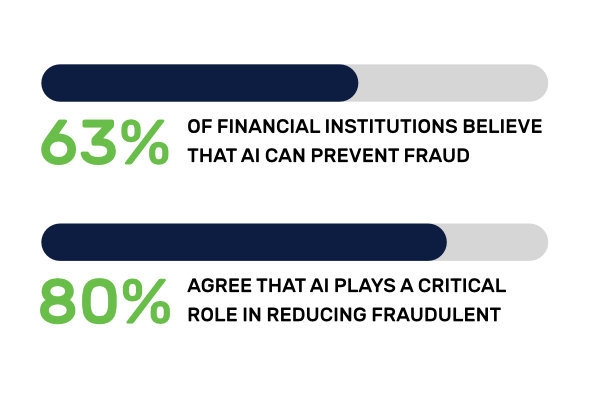
One major aspect of customer experience revolves around cybersecurity. People trusting any financial institution with their money want every possible guarantee that their wealth is in good hands. Since hackers, too, rely on advanced tech innovations to create more effective malware, financial companies need solutions to outmatch them.
With the help of AI in cybersecurity, digital banking, cryptocurrency trading, and online transactions are more viable than ever. ML helps detect fraudulent behavior and prevent account takeover. Both AI and ML serve to recognize unlawful patterns and prevent potentially harmful transactions.
Seamless customer onboarding
Last, but not least effective, big data analytics with the help of ML and AI simplify customer onboarding. The process of conducting credit checks, estimating credit risk, and the like are all easier with advanced tech solutions.
With chatbots paired with simpler onboarding, every customer can seamlessly enjoy their banking experience. Both in mobile and internet banking, customers now use a slew of features enabled by these innovative ideas.
With so much data under their fingertips, customers want simplicity. In order to leverage all the available data and simplify the process for customers, AI and ML are essential. With such market shifts, all banks and fintech companies need to jump on this tech bandwagon in order to succeed. Even more so, they need to leverage both AI and ML in order to provide a superior, competitive experience.
Of course, for financial institutions and fintech to properly harness the competitive advantage of big data and AI, they must build cloud-native digital infrastructure and apps powered by new technologies such as serverless architecture.
We can expect more complementary tech-based trends to emerge as a result of the expanding use of AI and ML. Combined with other tech innovations, these promising concepts are rapidly changing the financial sector. The only question that remains is who will lead the way, and who will stay behind. If you want your business to be an industry authority, then applying these and other innovative solutions is a must.