
The Covid-19 pandemic has sounded a considerable alarm in every sector, and no one is immune to its potential consequences. This pandemic has had a negative impact on every industry, whether small, medium, or independent. The employees working from home are mostly underproductive due to a lack of motivation, mental issues, or emotional disorders.
So, what exactly is the next step? Willingly letting the business go is not a viable option. There is, however, always a way out. We can solve the majority of issues by implementing modern technology such as Artificial Intelligence (AI). While the traditional departments in a wide range of industries have been significantly affected by technological developments, advancements in technologies in the fitness industry have improved our lives in several possible ways.
Smartphones now have access to technologies that were exclusively available to sports teams, gyms, personal trainers, or experts. Even workout and fitness classes that don’t require any human interaction are possible, thanks to AI. Now an individual can maintain and take care of your health without going out or hiring an expert because good mental and physical health allows one to retain the necessary energy level to accomplish success in life.
An interesting study revealed that, because of the country-wide lockdown in the US, downloads of fitness and wellness applications surged by 47 percent, while demand for many streaming services skyrocketed. This rapid expansion is vicariously experiencing a significant impact on the market. According to a recent report by Report Ocean, they expect the worldwide online fitness industry to reach $44.7 billion by 2026.
How AI is reshaping fitness
The world of business is typically going to look altogether different in the future as compared to today. Artificial Intelligence will enable organizations to work smart by assisting them in employing their time effectively and providing qualitative services. Keeping up with technological changes and being adaptive and flexible enough with the latest trends will trigger changes in the world of fitness too.
Modern workout routines will use a considerable degree of machine learning and artificial intelligence in the future.
According to a survey, 65 percent of men and 55 percent of women are confused and frightened when going to the gym to work out. Working out at home, on the other hand, increased the confidence of 65 percent of respondents.
Speech recognition and an AI chat interface will aid this thing, allowing applications and devices to experience real interactions with users. A human trainer could not analyze and understand the massive volumes of data generated by wearables, sensors, cameras, and other devices. On the other hand, AI can optimize fitness, exercises, and nutrition programs for everyone once it has been processed and passed through multiple algorithms and combined with anonymous data from people all over the world. Personal exercise programs get increasingly exact over time because of ongoing machine learning and AI algorithms.
Use cases
At Gyms or in weight training
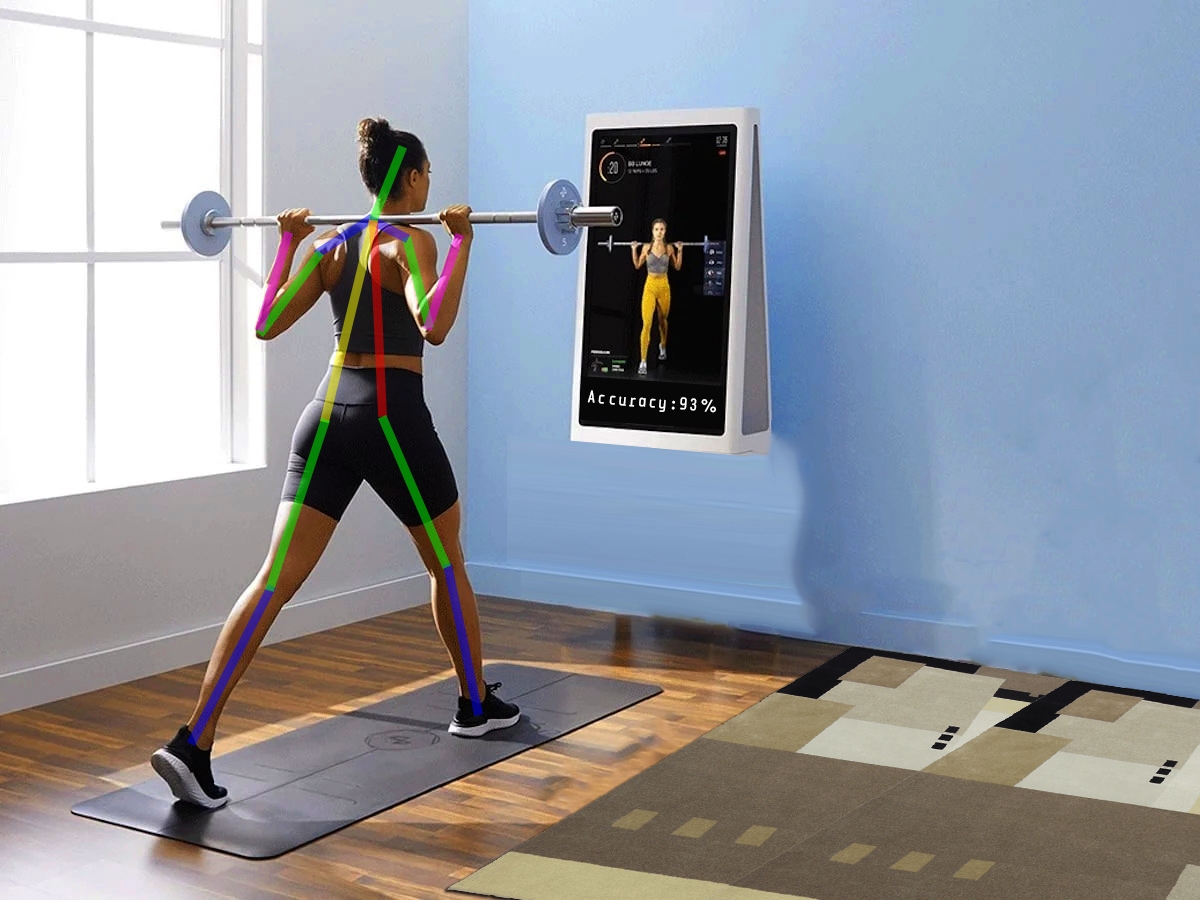
When we talk about the gym, a personal trainer is what we think first. Nevertheless, personal trainers are a significant financial investment, so local authorities assign professional athletes or individuals personal trainers for the duration of their training sessions. However, a lack of proper knowledge or the trainer’s unavailability can impede overall performance. It also doesn’t matter if you hire one privately or via a facility because you aren’t constantly monitored in a genuinely useful way throughout the exercises.
We may eliminate these potential problems by properly utilizing an AI-powered system that serves as a personal trainer for each athlete during their workout. It maintains track of the procedures and forms automatically. If you make a mistake, the machine will talk with you and properly execute the exercises or assignments.
That AI-enabled machine will track every step you take minute by minute and can even advise things you’re doing incorrectly. A virtual personal trainer who can supervise workouts can do wonders in the real world.
In Yoga
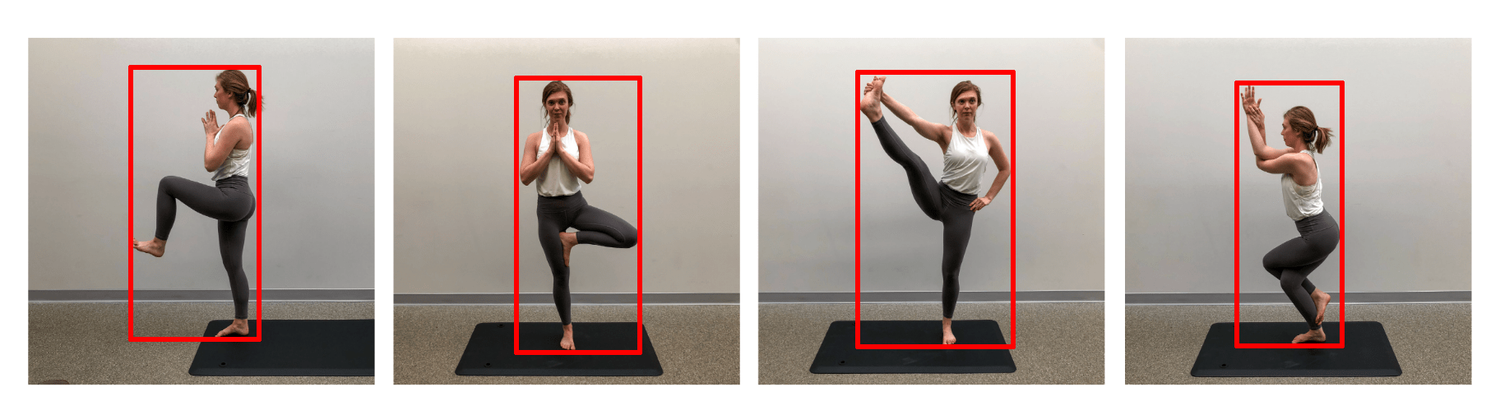
Yoga undoubtedly remains a big thing when we talk about fitness. It has become the most popular because it benefits both the current generation and the elderly. Yoga is an ancient practice with intricate postures. It is important to practice it correctly, as any improper posture can be counterproductive and even lead to injuries. As a result, a trained instructor is required to monitor the practice and adjust the individual’s posture. Because not everyone has access to or the means to hire a yoga instructor, an artificial intelligence-based system may be used to recognize yoga postures and give tailored feedback to assist people.
An AI-powered system or application will keep track of you as you move through your asanas. It not only monitors you; it also walks you through each step, explaining how to stand or bend in each position. With voice-controlled orders, it also notifies the user what sensation they should have during the workout.
Now the key question arises: how modern machines can be so accurate?
Machines typically function with the help of algorithms, and if the machine learning algorithms are given the right training data, the possible outcomes will be flawless.
How is training data made?
Annotations are essential for identifying precise movements and other key features of any workout. Many of the interesting modern AI systems are using image and video annotations. Machine learning models can function in a broad range of scenarios thanks to the careful annotation of moving human bodies.
Annotations are performed through several modern techniques, but majorly, the Bounding Box method is highly used to annotate individuals in each video or image frame. To get a more comprehensive picture of how individuals move and interact, Skeletal Annotation is being used. This is where human pose estimation comes into the picture, as it is concerned with identifying human joints in an image or video to create a skeletal model.
Although these datasets are difficult to put together, especially when it comes to locating several photos or videos of people in the same posture, this data should include various perspectives. Because various people do different yoga or exercise postures daily, it’s challenging to align them with current systems. But to make it a little easy, key features such as time periods or intervals and movement velocities are deduced based on the obtained data.
These contributing factors are used to develop intelligent techniques based on traditional machine learning ideas, allowing for an automatic evaluation of exercise or yoga techniques and suitable feedback for individuals. The application of such innovative approaches might be critical for determining the quality of execution, assisting athletes and coaches, optimizing training, and preventing injuries.