

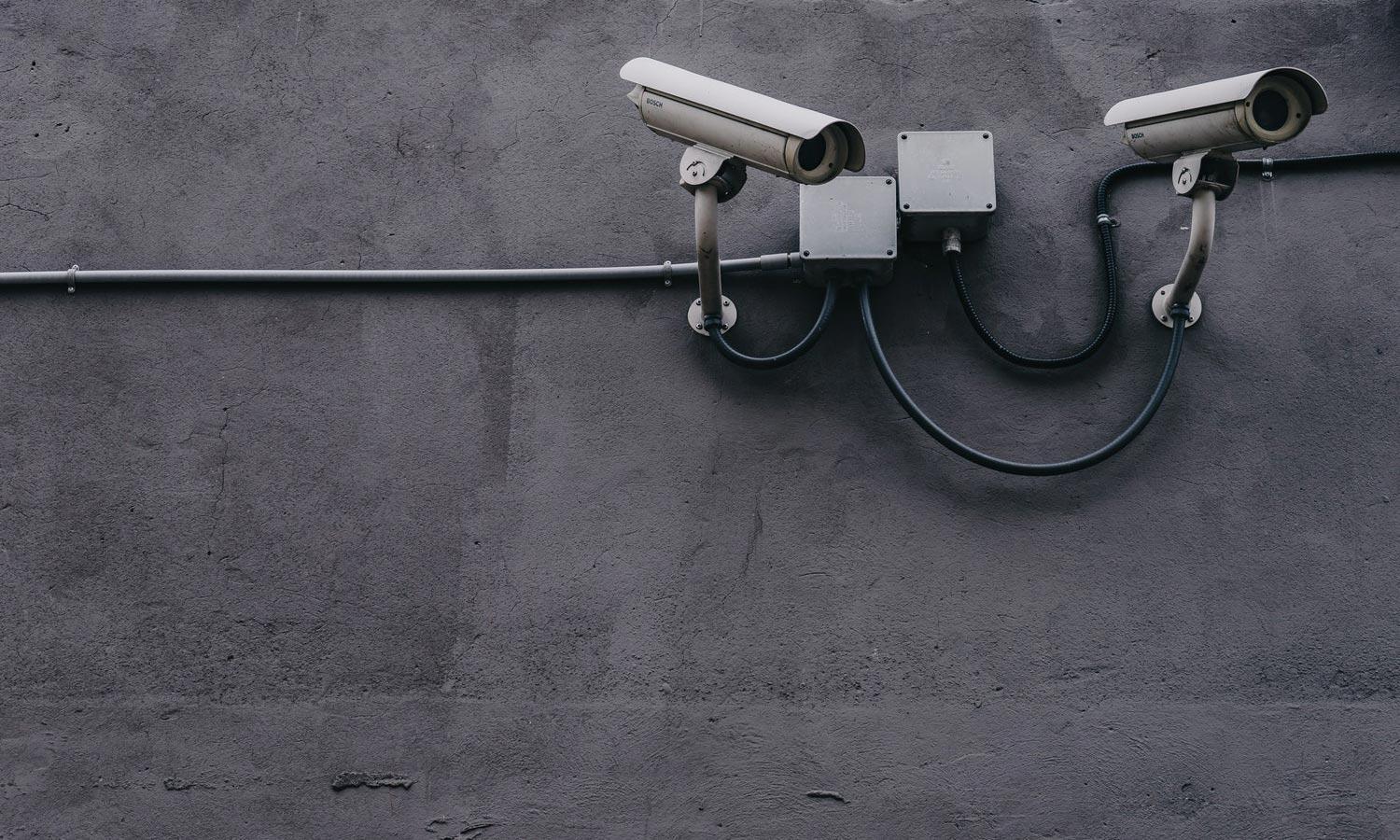
A growing number of educational institutions, from preschools worrying about eloping youngsters to high schools concerned about possible criminal activity, have installed high tech surveillance equipment to keep an eye on their students, but are these devices actually making our schools safer? That’s what some experts content, but others are not so sure. As with other AI, such as home automation designed for family safety, these systems may be manipulated to harmful ends. While there are some benefits, they need to be weighed against the risks of these tools.
An Issue Of Access
One of the primary concerns regarding security cameras in schools has to do with access: who can see the videos? When videos are available to parents at home, for example, then the feed is more likely to be vulnerable to outside exploitation; it’s the unavoidable consequence of streaming the contents, but it’s not the only point of vulnerability.
In some cases, the security software itself is flawed, making it easy for attackers to access the cameras and even manipulate the feed, an issue that’s impacted numerous systems. While parents may want to be able to see what their kids are up to at school, that preference needs to be weighed against system security.
EdTech And Encryption
Another major concern with surveillance equipment and supplementary edtech is that improper encryption may put children’s information and privacy at risk. In particular, since schools want students to be able to access the internet during the day, they don’t want to create too many barriers when logging on to wifi, but that same wifi often holds countless assessments and personal student data. When school internet isn’t properly encrypted, student data, including video of students, is vulnerable to outsiders.
The FBI has actually issued a series of suggestions for better securing in-school data, targeted at parents, such as monitoring the online spread of their child’s information and researching specific technology at use in your child’s school.
When Surveillance Equals Safety
If in-school surveillance technology presents such significant risks, is it even worth using at all? Some experts suggest that these tools aren’t just helpful, but might be the secret to stopping, or at least minimizing, the next school shooting. Parkland, for example, had security cameras, but no one was monitoring them at the time of the shooting there in February 2018. Today, though, AI can actually identify guns on a video stream, which could have sped emergency response to the building and given those on the upper floors more time to enter into lockdown.
Another proposal employing in-school surveillance programs: facial recognition “ but what for? Developers suggest that such a program could be synchronized with local mugshot databases, could identify suspended or expelled students, or even be programmed to identify people, such as estranged parents who are banned from contact with a child. The goal is to control the school campus and eliminate anyone who might present a security risk to students and staff.
There is no right answer to the question of whether or not to use surveillance systems on campuses, but the situation can best be boiled down to this: if your child’s school doesn’t already have such cameras, they will soon. Surveillance is coming, and the most important next step is to properly secure the resultant data, lest it fall into the wrong hands.
