


The air cargo industry is very much a relied upon service and operations and there are many ground operations that are involved before cargo even gets on the plane.
As the world stands today technology helps to streamline so many of the services and operations that we use and this would very much be the case when it comes to air cargo.
The revenue from air cargo represents 14% of total airline revenues and freight carriers are often flown with only half of the capacity that it can actually carry.
From flights stopping due to the pandemic, the aviation industry has had to reevaluate its typical operations to become more streamlined and contributive to its promise to reduce the emissions caused by the sector. The implementation of digitalisation shows promise and efficiency in the world of air cargo.
What is digitalisation?
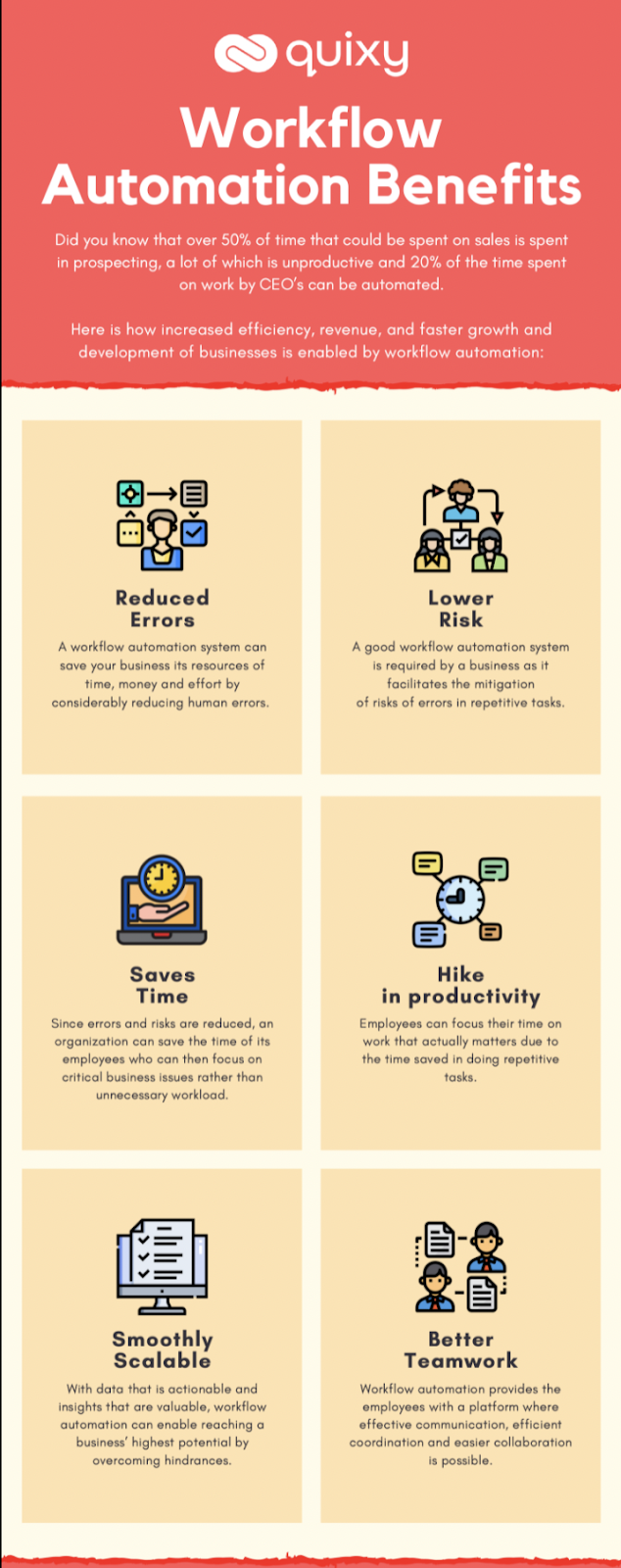
Digitalisation is the use of digital technologies to change or streamline a business model. The use and implementation of digital products could help boost revenue and produce even more opportunities, but it is not an easy process to initially implement.
As the demands of the modern world are constantly evolving and changing, so are what is required from certain services and products by a consumer.
Digitalisation can include automation of certain systems or even implementing new technology in the place of something that was once checked by a person. Making the transition to a business or an industry being more digital is very much becoming the norm across many different types of businesses.
(Image Source: Quixy)
The Hurdles of Digitalisation in air cargo
Although the future of technology and industries lies within digital, it does not mean it comes without itshurdles and disadvantages. The air cargo industry must be prepared for the risks that come with implementing a more digital system.
There are security risks that come with storing documents digitally, which includes customer data and information.
In terms of record-keeping and digitalisation of personal information, the air cargo industry has to take digital security extremely seriously. Data theft is a serious offence and is very much something that is to be considered when implementing a digital system.
This hurdle can be overcome by simply ensuring that any cloud-based systems used are checked and encrypted regularly as well as making sure that the initial storage of the data is secure.
Another hurdle of digitalising air cargo is the cost to implement these systems in the first place. The level of security that is required means that the initial process of implementing this is not an easy one.
From training the staff to know how to use the new systems, to ensuring that the most secure methods and software are used from the offset is all part and parcel of entering the digital world within the aviation industry.
The Advantages of digitalisation in air cargo
(Image Source:OnTruck)
Just because there are concerns about the security when it comes to moving into more digital processes and systems these can be kept on top of with regular monitoring and ensuring that data is safeguarded. There are many advantages to digitalisation in the air cargo world and sector.
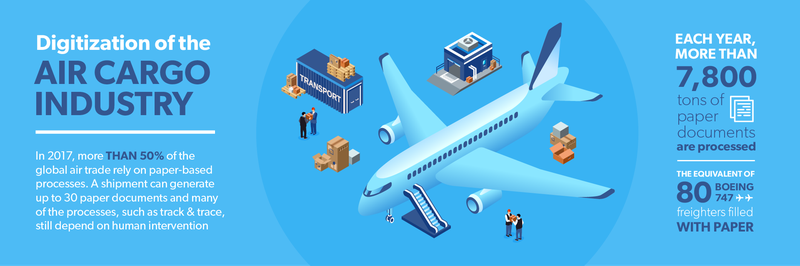
By streamlining so many ground operations, emissions will be significantly reduced. For example, the environmental benefits of reducing paper waste by switching to digital methods, will not only contribute to more sustainable ways of conducting operations but also result in financial savings.
The economic footprint of paper storage is monumental and could be significantly reduced by storing data in a digital manner. A study revealed that nearly 3% of a company’s revenue is spent on paper. Digitising the administrative side of air cargo is an excellent way to reduce costs and create further accuracy that is overseen by staff.
Another advantage of digitising is the convenience of doing so. The systems and tools that are used today allow processes to be streamlined and in turn for the cargo and checking process to be accelerated. The time that is saved printing and sorting and filing, is all amended by switching to digitalisation andautomating certain processes.
This means that the energy that would normally be used to work our the things that are now automated can be used to prioritise another area of the air cargo process and bring efficiency to that area.
The digital world is one that many businesses are getting very much acquainted with so it is only natural that the air cargo industry jumps on that bandwagon too.
Although there is the hurdle of security when it comes to data input, the advantages of these digital processes will significantly increase the effectiveness of certain processes and systems. It will bring convenience, time savings and also contribute to the air industry’s promise to reduce their carbon emissions.
