


With more and more data being collected on every transaction between individuals and organizations, companies and consumers everywhere are becoming increasingly concerned with security. Going by the numerous data breaches that have filled newsfeeds in the past few years, it is easy to understand why customers are wary about the safety of their private information.
The fact of the matter is that big data is not going away anytime soon. 85% of businesses have reported that data-driven systems have become an integral part of their company, but nearly half have reported issues with data security in the past. It is clear that customers are quite aware of the shortcomings in data security as well.
No matter the industry, studies show that the majority of customers feel less than confident with the privacy and security of their personal data, and very few feel confident at all in the safety of their information.
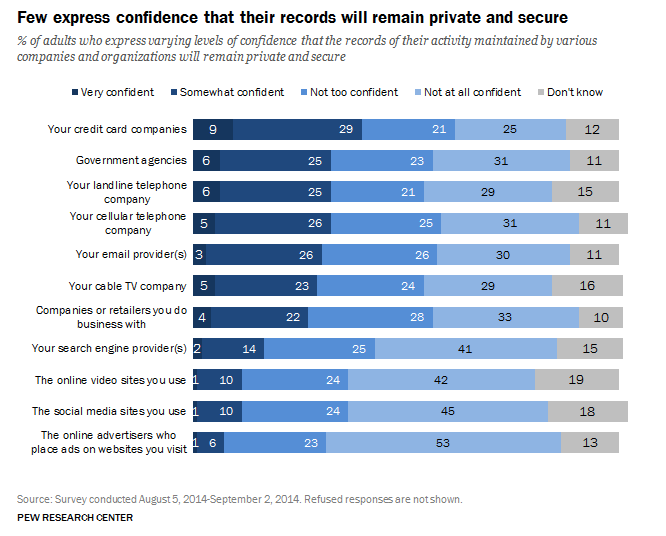
Obviously, it can be quite difficult to convince someone to buy from you if they do not trust your business. You must be able to communicate in no uncertain terms that your big data systems put customers‘ information to good use, and keep it safe at all times. Whether it is their credit card number, social security number, or any other financial or personal information, it is critical that your company instils confidence and trust to ensure their business attracts customers. Here are a few pointers on how to do that.
1. Have a Security System in Place
Obviously, the first step in assuring your customers that their data is protected is to have a strong security system in place from the very beginning. A single data breach costs an average of $3.62 million to recover from, but the loss of consumer trust is immeasurable. Therefore, keeping sensitive consumer and business information safe from hackers and online threats needs to be a top priority for any company that is using data in any shape or form.
Most companies do not have the budget to build an in-house data security team. Thankfully, these security systems do not have to be complicated and complex to be efficient. In order to ensure that data is properly encrypted and immune to external attacks, a SIEM (Security Incident and Event Management) service like Bulletproof is ideal for SMBs.
This is a localized SOC (Security Operations Center) that offers continuous monitoring and instant response in emergencies. Bulletproof also conducts regular vulnerability scans to assess potential weaknesses, so your data is under continuous protection from multiple threats.
The next step to building consumer confidence in your company’s data security is to let people know about the systems your team has in place. Displaying featured trust and security badges on your website is a start, and it has been proven to boost customer trust and conversion rates.

Do not be afraid to take things a step further by going the extra mile to educate your customers on your data security measures. Write a few articles on your company blog or share a message on your brand’s social pages about your information safety and privacy efforts. This way, your customers will be aware that your company takes data security very seriously.
2. Be Strategic with Data Capture
Have you ever visited a website only to be immediately greeted with a message like this?

The thought of filling out a long form before you even take a look at the website was most likely an instant turn-off. Plus, chances are, you would receive an endless amount of junk mail by sharing your email address right off the bat.
Obtrusive popups that beg for data before allowing visitors to interact with the website can be a red flag to potential customers. In fact, 72% of customers agreed that their opinion of a brand is negatively impacted when their website bothers them with popup messages.
While opt-in forms and popups certainly drive positive results, they have a fairly low conversion rate of 1-3% on average. Using a more strategic (and less intrusive) approach to collect important customer information can help your team gather and use big data more successfully.
For instance, smart POS systems, both online and in-store, can be used to record vital data such as frequency of purchase, item preferences, and contact information for personalized marketing campaigns and demand forecasting.

By becoming more discreet in capturing data, brands can start to build a more positive perception of themselves while getting a better shot at knowing their customers. You can start by becoming a bit more thoughtful with your email signup popups, and not insult the visitor’s intelligence with an exit button that screams No I don’t want to make more money! Take a look at what Justuno.com does:

3. Provide Genuine Value
While the concept of big data tracking might have sounded a little scary to customers five or so years ago, things have definitely changed. The majority of consumers agree that they are comfortable having their shopping behaviors tracked by companies if, and only if, it is used for their benefit.

In order to create customer confidence in your company, it must be clear to them how sharing their personal details will provide a better experience down the road. Big data collection offers marketing teams the information and opportunity to personalize customer interactions at every step of their journey. Even if you choose to survey customers directly, be sure they know what they will be getting in return.
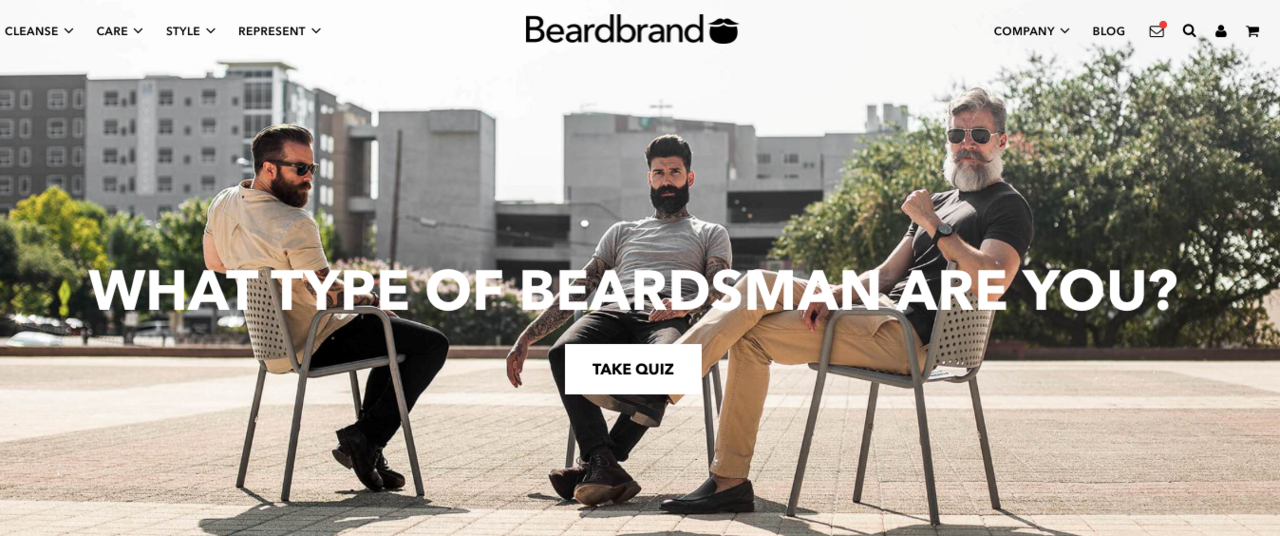
For example, Beardbrand.com features a quiz option on their homepage. By sharing a bit of information on their hair and beard type, along with personal preferences, shoppers are guided to the products that will suit their needs, while the manufacturer gets valuable consumer behavior data, making it a win-win for everybody.
Personalized offers have a big influence on customers‘ purchasing decisions. When you ask for customer information, be upfront about how it is going to be used. Ask them if they would like to receive personalized offers or shopping recommendations, and let them know that their data will be used for product development feedback. By being open and transparent about data usage, you can make sure customers feel much more comfortable in sharing it with you.
In Conclusion
At the end of the day, big data is all about trust. As the saying goes, With big data comes great responsibility. (OK, I made that up, but you get the idea.) By keeping your customers in the loop on why you need their data and outlining exactly how you’ll keep it to yourself, you can build a brand on the foundation of consumer confidence!
