


The eCommerce industry is growing at a staggering rate each year, and projected revenues are expected to reach a whopping 6.54 trillion US dollars in 2022 in the US alone. This means that eCommerce is a lucrative field to get into, but it also means that the industry is getting more saturated by the day. If you want to survive and even thrive in the eCommerce field in the years to come, then you have to focus on improving the user experience on your site.
UX can nowadays make or break an eCommerce business because the only way to succeed is to adopt a customer-oriented mindset. If your site is not optimized for mobile or if you’re not using chatbots to grow your business through stellar support, then customers are going to start migrating to your competitors.
To gain a competitive edge in such a fast-paced industry, you should leverage leading technologies such as AI and machine learning. Through AI applications and AI-friendly solutions, you can solve all of your UX problems and take your company forward as a whole. Here’s how to do it.
Integrating AI to guide your customers
First things first, understand that not every customer is on your site to buy something. In fact, Episerver tells us that 92% of new visitors aren’t looking to buy anything. Different website visitors are in different stages of the buyer’s journey. Some are visiting the site to find useful information, some are comparing various options, and others are looking to buy. You have to optimize the journey and guide them towards the desired outcome instead of pushing your products in their faces. Because that’s the way to alienate customers for good.
Luckily, you can use AI to transform visitors into paying customers or at least qualified leads through expert guidance. Artificial intelligence algorithms on eCommerce sites can guide the visitor towards more relevant, personalized content and product options to incentivize them to interact with your brand. Through expert AI guidance, you can lead the visitor down the path to conversion or at the very least, inspire them to leave their email address to receive tailored deals and promotions.
Using AI-driven chatbots to enhance the user experience
One of the major breakthroughs in the world of eCommerce was the introduction of chatbot technology. Initially, chatbots didn’t do much but answer basic questions and solve simple customer issues, but over time they have evolved drastically. In fact, nowadays eCommerce chatbots are a stable part of any growth-oriented online venture because they are driven by evolving artificial intelligence.

Source: Tidio
The keyword here is evolving because AI systems need to constantly learn and adapt to bring a more personalized experience to the customer. Integrating an AI-driven chatbot into your WordPress website is a great way to leverage AI in customer service and improve UX on your site and social media. However, a chatbot doesn’t replace your primary communication system.
Artificial intelligence boosts your communication systems
By far one of the most important eCommerce digital trends nowadays is having the ability to interact with your customers in real-time. If you want to nurture your leads, resolve customer issues quickly, accept orders via phone, and deliver a better overall experience, then you need a digital phone system like VoIP. Voice over internet protocol is a cloud-based phone system that comes with a variety of features to help you excel at customer support, communication, marketing, and sales.
Integrating your VoIP system into your eCommerce website is crucial for growth nowadays, but you need to compare plans and read up on providers through in-depth Nextiva reviews and expert opinions on leading brands in the VoIP field that use artificial intelligence to their advantage. For example, Nextiva is one of those top providers that uses conversational AI to reduce call times, improve call routing, and elevate the overall user experience. With NLP integration, customers no longer need to sit through a long menu of options. They can simply speak in their natural language, state their request, and get the help they need quickly.
Executing a more efficient omnichannel strategy
Source: Salesforce
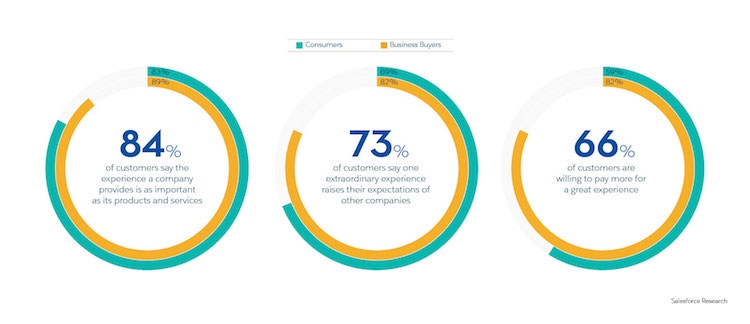
Just like you can’t force a customer to send you an email when they want to talk to you over the phone, you can’t force them to place an order where you want it. Customers are nowadays expecting eCommerce brands to enable a seamless shopping experience across the online world. This means that you need to adopt an omnichannel approach to sales, just like you would for customer service. With AI and machine learning, you are able to track buying decisions right back to campaigns by channel.
Now, managing orders and sales in general across a variety of platforms is almost an impossible task without conversational AI and artificial intelligence tools. Luckily, there are many AI-driven eCommerce tools out there that make inventory management and omnichannel sales a breeze by intuitively organizing all sales points for your company. This way, customers can order products on your site, social media, via email, or via phone and they would never run into any mismatching information or other issues.
Protect your store from a legal standpoint
Compliance can be a big issue for multinational eCommerce stores, and even local ones. There’s a lot that can go wrong from a legal standpoint. From accidentally using stock photos or other people’s work without their consent, all the way to failing to comply with ADA (Americans with Disabilities Act) that ensures access to websites for people with disabilities.
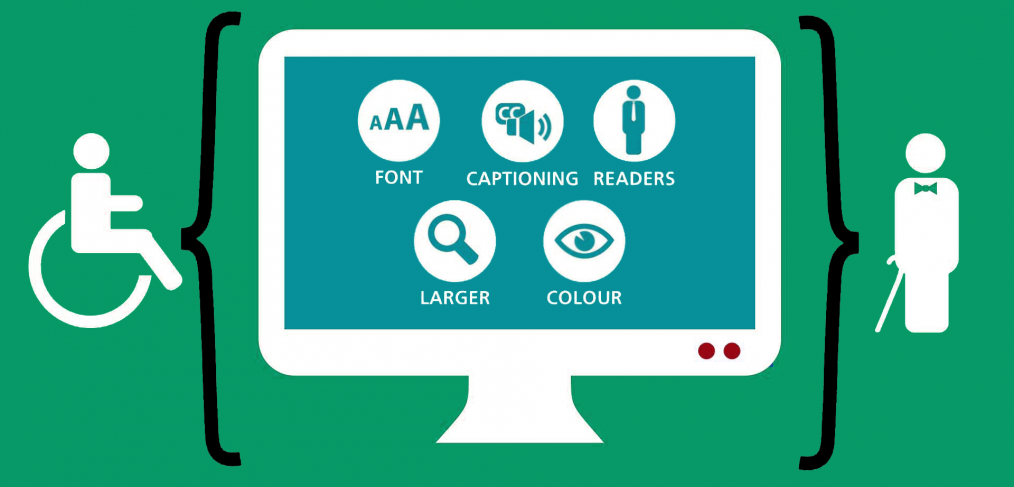
By ensuring compliance across the board and protecting your brand legally, you build trust and respect among your customers. Artificial intelligence can help you optimize your website structure to comply with all governing laws and regulations, like the GDPR regulation in the EU, PCI compliance, and more.
Wrapping up
Both the market and customer behaviors change and adapt, and with AI you are able to create enjoyable UX that converts.
Keep in mind that user experience is not just about having a mobile-friendly website or a beautiful design. It’s also about the functionality of the site, your communication strategy and support system, and how safe customers feel. Now that you know how AI can help you achieve all of these things, be sure to leverage artificial intelligence to solve your UX problems and take your e-commerce business to new heights of success in 2021 and beyond.
