

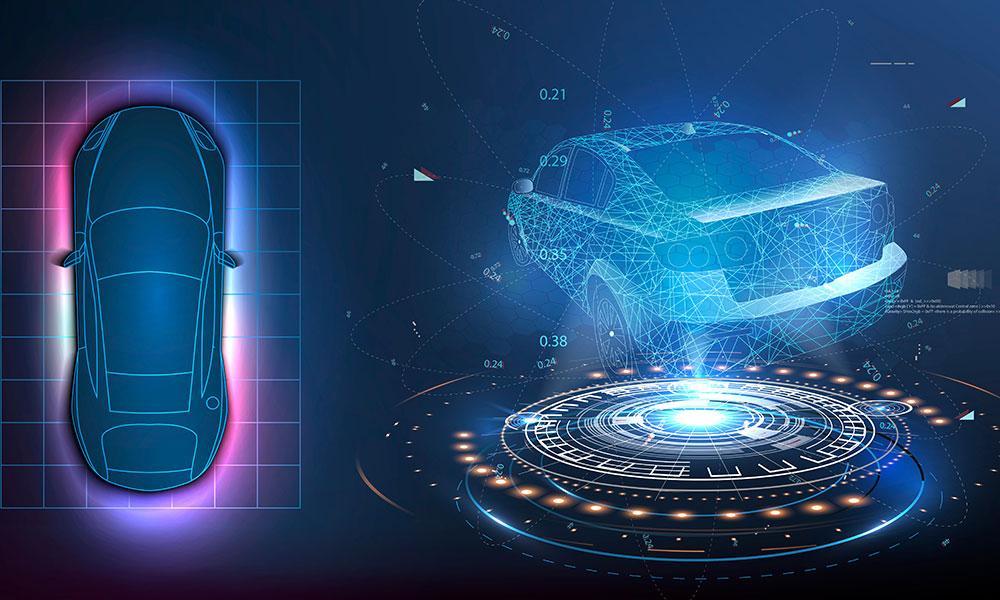
A few decades ago, AI was the stuff of science fiction novels, movies, and television shows. A fantasy. A figment of an overactive imagination. Isaac Asimov. Star Trek. The Terminator.
But now?
AI is already here or has been for quite some time. It’s in your smartphone, intelligent home system, and smart car. Entire cities are embracing Artificial intelligence to handle road safety.
It’s everywhere, and the technology behind it is game-changing. One of the industries that took full advantage of using AI is the automotive industry. The automobiles we now drive are safer, more efficient and loaded with cutting edge tech.
Let’s take a look at how artificial intelligence is impacting the auto industry.
1. Auto Insurance
AI in auto insurance has been a significant boon for companies and drivers. By using AI in risk assessment, insurance companies won’t have to rely on past incidents to set premiums. Everything is in big data, and AI will crunch the numbers to predict how safe a driver will be.
Insurance companies factor in everything, from your health to recent relationship woes. If you continue to drive like a lunatic, AI will catch it, and you won’t get insured! All this collected data means that you can check every single detail on a VIN report, which is excellent news for used car buyers.
2. Safety
Cars nowadays are safer than they were 20 years ago. It seems like automakers unveil a new safety feature each year! You’ll be hard pressed to find a top spec vehicle without an emergency braking system or several cameras. Throw in cross traffic assist with blind spot monitoring, and there’s no reason to get into a road mishap.
Manufacturers are also working on interior cameras that detect facial expressions. When this feature becomes standard, your car can tell if you’re distracted or sleepy and warn you about it. Cameras mounted on and around the car provide a constant feed to the AI so it can adjust and take action when it needs to.
3. Manufacturing
Experts predict that artificial intelligence will help speed up manufacturing by reducing downtime. These AI-powered systems will rely on sensors and algorithms to track all equipment. Computers do a better job than people at detecting defects during the manufacturing process. Al makes it easier to prevent lemon cars.
AI may be able to predict if a breakdown is imminent and schedule the necessary preventive maintenance tasks to handle the situation. AI-assisted PMS could increase equipment usage time and lower annual maintenance costs.
4. Entertainment
Everything is online, and AI can harness this power to provide entertainment on the road. Gone are the days where you had to take your eyes off the road to fiddle with the radio. The AI in your car can take orders using your voice or by tracking your facial expressions.
If you want to hear the news, listen to music or turn on Netflix for your passengers, all you have to do is ask your car.
5. Total Value
AI-powered vehicles provide much more value than their regular counterparts. The safety features alone are enough to sway even the most old-school driver out there. AI will help cars do updates on their own and schedule preventive maintenance for you.
Not to mention all the other AI assisted tech toys and you’ve got a worthwhile investment. We’ve almost reached “Knight Rider” status, and that could only mean one thing: we’re heading in the right direction.
AI has helped drive innovation and efficiency in all the industries that use it. In a few more years, we’ll see more driverless cars on the road and travel will be safer than it’s ever been. Our future is looking bright.
