


The Internet of things (IoT) is one of the most exciting trends in the recent history of technology so far. As connectivity, storage, and compute become more universal, were seeing an explosion of IoT solutions, from health care to public safety, all pointing towards one conclusion: The IoT is here to stay. As with any other trends in technology, its starting to require new generation of platforms, standards, regulations, and protocols to name few.
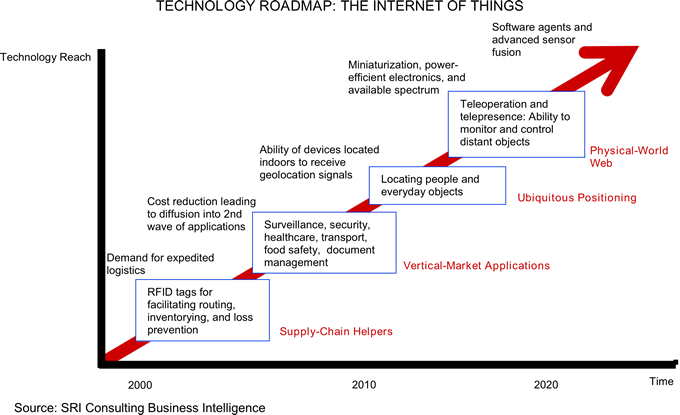
Gartner defines the Internet of Things as the network of physical objects that contain embedded technology (such as intelligent sensors) which can communicate, sense, or interact with internal or external systems. This can generate volumes of real-time data that can be used by organizations for a variety of applications, including smart appliances to monitoring equipment performance.
The Internet of Things (IoT) is becoming so ubiquitous that ABI Research predicts that there will be more than 30 billion IP-connected devices and sensors in the world by 2020.
The rapid evolution of the IoT market has caused an explosion in the number and variety of IoT solutions. Additionally, large amounts of funding are being deployed at IoT startups. Consequently, the focus of the industry has been on manufacturing and producing the right types of hardware to enable those solutions.
In that model, most IoT solution providers have been building all components of the stack, from the hardware devices to the relevant cloud services or the solutions (as indicated in diagram below). As a result, there is a lack of consistency and standards across the cloud services used by the different IoT solutions.
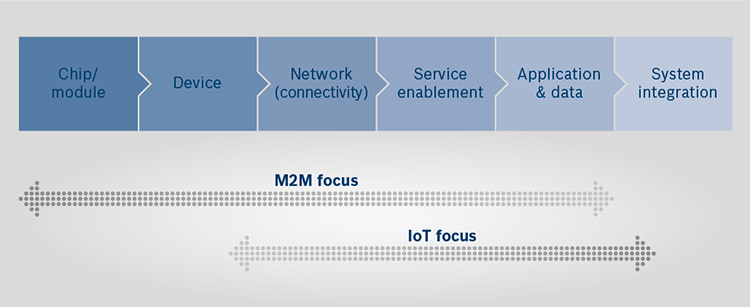
As the industry evolves, the need for standard models to perform common IoT backend tasks, such as processing, storage, and firmware updates, is becoming more relevant. In that new model, we are likely to see different IoT solutions work with common backend services, which will guarantee levels of interoperability, portability and manageability that are almost impossible to achieve with the current generation of IoT solutions.
Hurdles Facing IoT
While the initial generation of IoT solutions have focused on frameworks that enable communication with smart sensors, The new generation of platforms that enable backend capabilities for IoT solutions is about to emerge. But there are many obstacles to adoption; including the lack of differentiated platforms, outdated regulatory requirements, unclear business models, and most important no killer applications identified by businesses and consumers yet.
The challenges can be divided into 4 categories; Platform, Connectivity, Business Model and Killer Applications:
1) Platform
This category includes, form and design of the products (UI and UX), analytics tools used to deal with the massive data streaming from all products in a secure way, and scalability which means wide adoption of protocols like IPv6 in all vertical and horizontal markets.
2) Connectivity
Connectivity includes all parts of the consumers day and night using wearables, smart cars, smart homes, and in the big scheme smart cities. Form the business prospective we have connectivity using IIoT (industrial Internet of Things) where M2M communications dominating the field.
3) Business Model
The bottom line is a big motivation for starting investing in and operating any business, without a sound and solid business models for IoT we will have another bubble, this model must satisfied all the requirements for all kinds of e-commerce; vertical markets, horizontal markets and consumer markets.
This category is always a victim of regulatory and legal scrutiny. In a recent research piece, Goldman Sachs mapped out the IoT landscape and highlighted a few verticals that could be most impacted by it. Many of them are riddled with heavy regulations, which may impair disruption.
4) Killer Applications
Three functions needed in any killer applications, control things, collect data, analysis data.
Sensing the Future of IoT
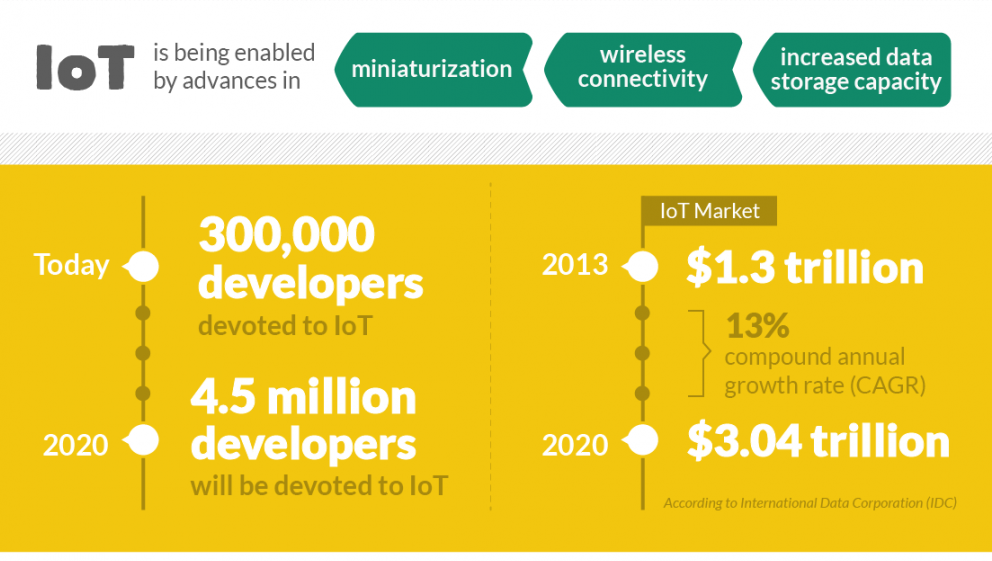
The Internet of Things (IoT) is transforming the everyday physical objects that surround us into an ecosystem of information that will enrich our lives. From refrigerators to parking spaces to houses, the IoT is bringing more and more things into the digital fold every day, which will likely make the IoT a multi-trillion dollar industry in the near future.
While the IoT represents the convergence of advances in miniaturization, wireless connectivity, increased data storage capacity and batteries, the IoT wouldnt be possible without sensors. Sensors detect and measure changes in position, temperature, light, etc. and they are necessary to turn billions of objects into data-generating things that can report on their status, and in some cases, interact with their environment. Because sensor endpoints fundamentally enable the IoT, sensor investments are an early indicator of the IoTs progress.
And, according to PwCs 6th Annual Digital IQ survey of nearly 1,500 business and technology executives, the IoT movement is underway. Maybe one day we will see IoT as a Service technology offered and used the same way we use other as a service technologies.
