

Every single online business or company with a website is inadvertently involved in the war against cybercrime. Businesses are spending more than ever to keep their data secure. In fact, by 2021, businesses will have spent over $1 trillion on cybersecurity.
However, this does not seem to be slowing down the rate of cybercrime in the least.
According to the latest research from Krebson Security, cyber-hackers are getting even harder to catch, as their stolen account information is becoming more profitable than ever before. This has led to an influx of attacks in the e-commerce industry, and many online business owners are struggling to keep their defenses strong.
Cybercrime is expected to steadily increase as hackers utilize new technology, and the reciprocations of hacks and data leaks are becoming even more expensive. The best way to ensure that your business’s website is protected from the latest cyberattack techniques is to utilize advanced technology with Big Data security tools.
Here are three simple ways to integrate Big Data into your current security systems for added protection.
1. Test Your Systems
The only way to know if your site is vulnerable is to see how it stands against the latest hacking practices. Not only do you need to know whether or not your firewalls detect any abnormalities, but you also want to see how quickly these potential attacks are identified and reported.
Unfortunately, most systems are a lot slower than you think. You stand your best chance of recovering important data when a breach is identified in less than thirty days. However, it takes most businesses an average of 206 days to discover a data breach.
To ensure that your website is protected and that you will receive immediate threat alerts, you need to run tests regularly. Cymulate has a breach and attack simulation platform so you can see just how quickly your firewalls spot it.
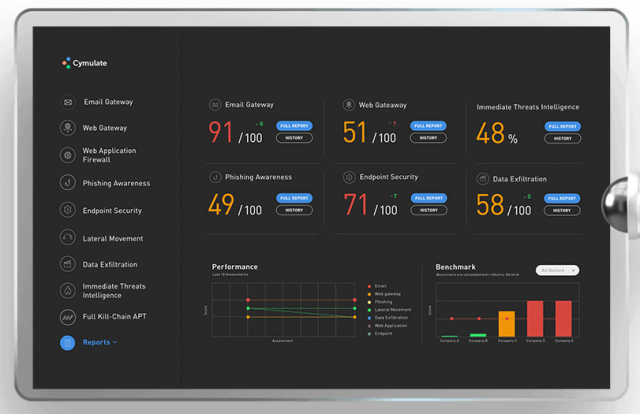
It relies on data from thousands of attacks that your business is at risk of encountering. It also keeps track of key data points and provides a detailed report to show you where your security weaknesses are.
Preparation is the best way to keep your site protected, so you should be using an intelligent testing system regularly.
2. Prevent Credit Card Fraud through Secure Payment Authentication
The latest way that hackers are stealing credit card information is through formjacking, which uses malicious code to steal credit card information directly from the payment forms that are filled out on e-commerce sites.
In addition to the traditional safety measures – like using an SSL certified secure connection for the checkout page – authentication tools should also be installed for extra protection against fraudulent activity.
Signifyd is a great option. as it uses AI and Big Data to provide the best protection against fraudulent activity. It uses massive datasets with information on behavioral data, purchasing history, and cross merchant blacklists to detect any unusual requests instantly.
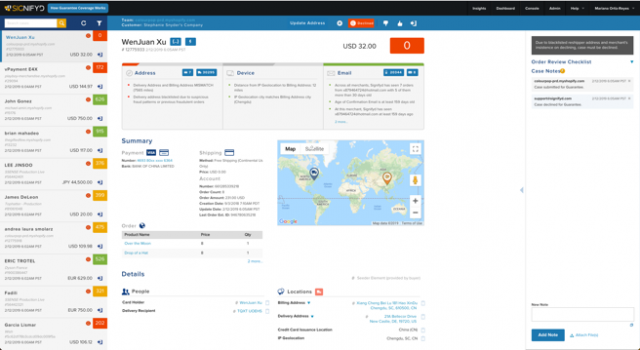
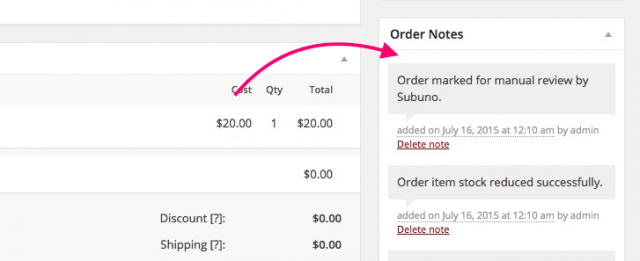
Subuno is another option that relies on machine learning technology to study consumer behavioral patterns and automatically analyze each online order to detect any risk factors. You can also tailor the system to flag or ignore certain actions and create customized data analysis reports.
One of the greatest fears that stops most online consumers from making a purchase is the risk that their credit card information could be compromised.
If sensitive financial data is hacked, your company could face some pretty hefty fees and even legal ramifications. So, you need to be sure that your payment processing systems are airtight.
3. Adopt Machine Learning into Fraud Protection
The methods and systems that cyberthieves use are unfortunately changing (and improving) at a rapid pace. If your security systems are not getting upgraded consistently and frequently, they may not be able to spot more sophisticated attacks or new malicious code.
This is where Big Data and machine learning really come into play, since these are among the best modes of defense. Machine learning can help to prevent future attacks as the systems learn new ways to keep data more secure and automatically improve to create stronger defense systems.
Simility is one system that is designed to adapt and evolve in real-time with data integration and fraud intelligence.
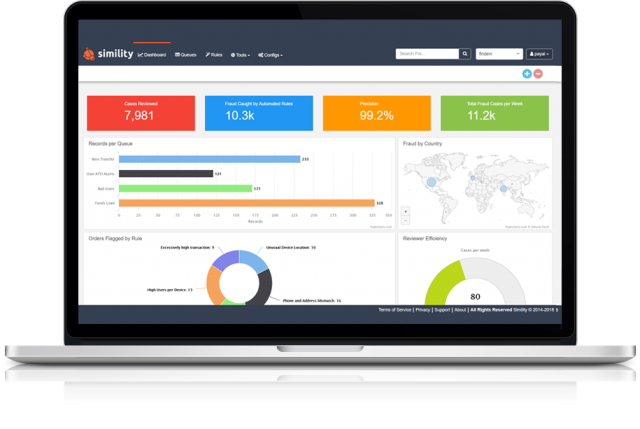
This means that you can rest assured that your system is always updated to detect the latest threats. Plus, you can customize your solutions so it is optimized for your specific type of online business.
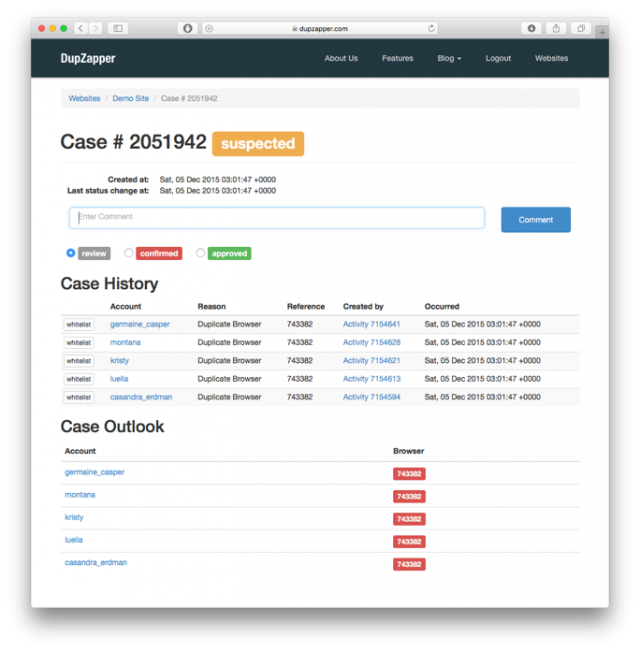
Dupzapper takes things a step further to detect hackers by not only analyzing their behavior, but also using machine learning algorithms to detect red flags, like cookie blocking attempts or misuse of a proxy takeover. This means that you can be alerted of potential threats before a purchase attempt is even made.
Conclusion
Unfortunately, cyber hackers are benefitting from the latest technology just as much (if not more) as honest businesses are. As private data and information become more lucrative and valuable, cyberattacks are only going to become more frequent and more difficult to prevent.
In order to protect your online business, you need to be utilizing the strongest technology possible to keep your data assets secure.
Thankfully, Big Data tools are allowing e-commerce sites to arm themselves against the latest cyberattacks through technology that learns the warning signs and stops breaches before they occur.

