


Big data has been around for a long time.
With the introduction of the Internet of Things, this technology has quickly evolved. As data continues to grow, IoT becomes more ingrained in our everyday lives. Gartner predicts that by 2020 there will be 21 billion connected devices globally. Moreover, the IDC’s Digital Universe study reveals that the world’s data will grow to be ten times what it is now. IoT will contribute to at least 10% of this massive expansion.
Major industries will continue to grow. Their value will be worth billions of dollars. Moreover, security failures and breaches will become more hazardous. In fact, Nomura Research found that CIOs are spending a massive amount of money on security.
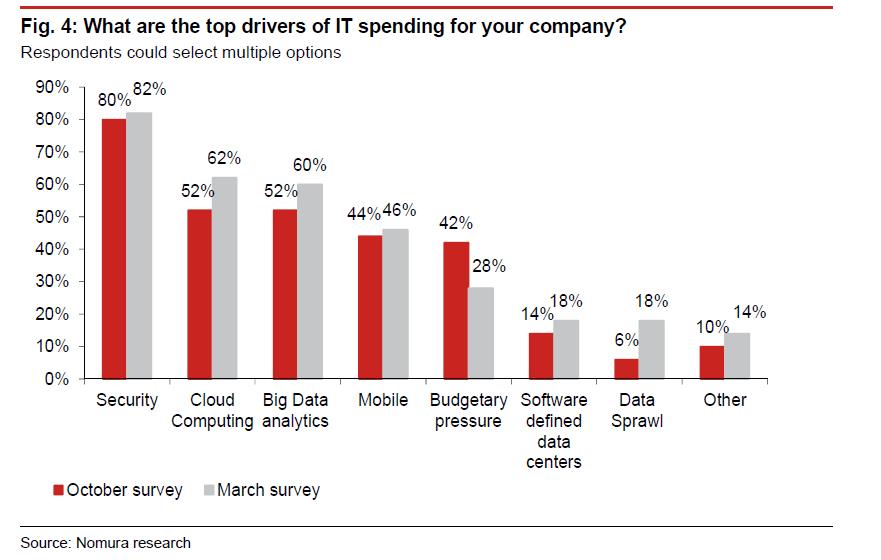
Security is always an issue. But what role does big data and IoT play?
Sources of Vulnerability
Resolving security issues requires identifying potential vulnerabilities. Once discovered, a strategic plan can be created to prevent future problems.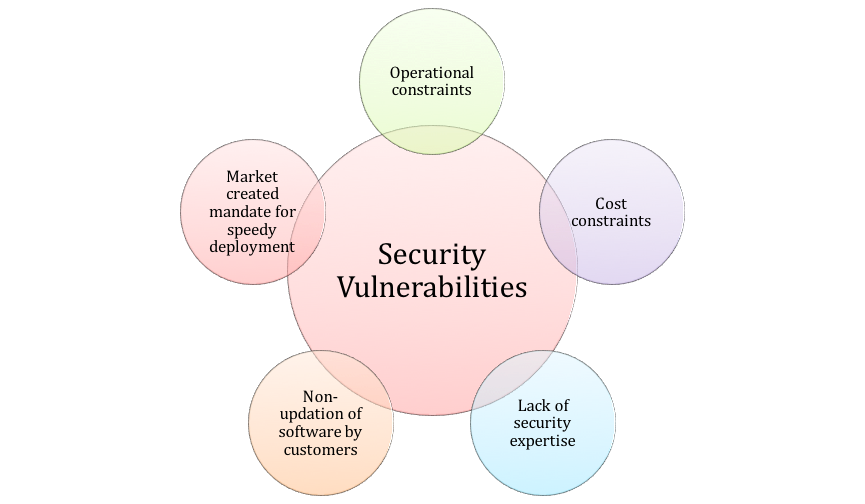
Security challenges are a side effect of our increasingly interconnected world. In the past, companies worried less about whether their data was protected. Most of the data was stored internally. But as more companies rely on cloud storage systems, it becomes difficult to adequately protect data.
Big Data
Data is no longer stored in physical locations that you control. Therefore, an ineffective cloud-based storage can be a major security issue. Synced cloud storage systems potentially give hackers access to your files. Many security systems only provide one layer of protection.
That’s why experts recommend two-factor authentication. This requires a user to confirm their identity twice. This extra step provides additional security to your organization. Insufficient monitoring remains a problem, too. Companies must keep track of a massive volume of big data. Organizations don’t possess the expertise to monitor all their data, making it an easy target for theft.
IoT
IoT security is challenging due to distributed sensors. When a sensor experiences a failure, the entire system can falter. This may cause your business to experience unnecessary downtime. Devices are also susceptible to malware. When a device malfunctions, it can affect the safety of those who depend on the technology.
TrapX Labs published a report on the hijacking of medical devices. Devices at three different healthcare networks were compromised without hospital personnel even realizing it. This left patients and the hospital vulnerable.
Dealing With Vulnerabilities
Big data can’t be secured by the isolated systems once provided. Here are a few methods that can improve your system:
Big Data Security Measures
- Build access controls into your system that will properly encrypt. Secure it to prevent information from leaking.
- Initiate centralization to bring together all the IoT devices and big data systems. You want to account for all your data.
- Employ regular data validation actions to ensure that your data is properly managed.
- Regularly audit your security measures for any weaknesses.
Business equipment and software must be handled with the utmost care. Try these solutions to improve your IoT security.
IoT Security Measures
- Be careful when selecting vendors for IoT products and sensors. Outsourcing IT and manufacturing of these products means your company is sharing critical information.
- Make security a high priority within your organization at all levels. From the operations team to the IT team, all employees need to be aware of the concerns and protocols. You may want to create a special team that focuses on security.
- Inform customers about potential security issues and how they can stay protected. Maintain a transparent privacy policy.
Secure Your Data
Big data and IoT have created issues that were unimaginable in the past. Make security a priority. Focus on multiple layers of encrypted protection. Inform the public about security breaches. Its the best way to maintain business security systems and protect consumers. You can’t ensure data will be protected all the time. But you can ensure you are taking the right safety precautions.

