

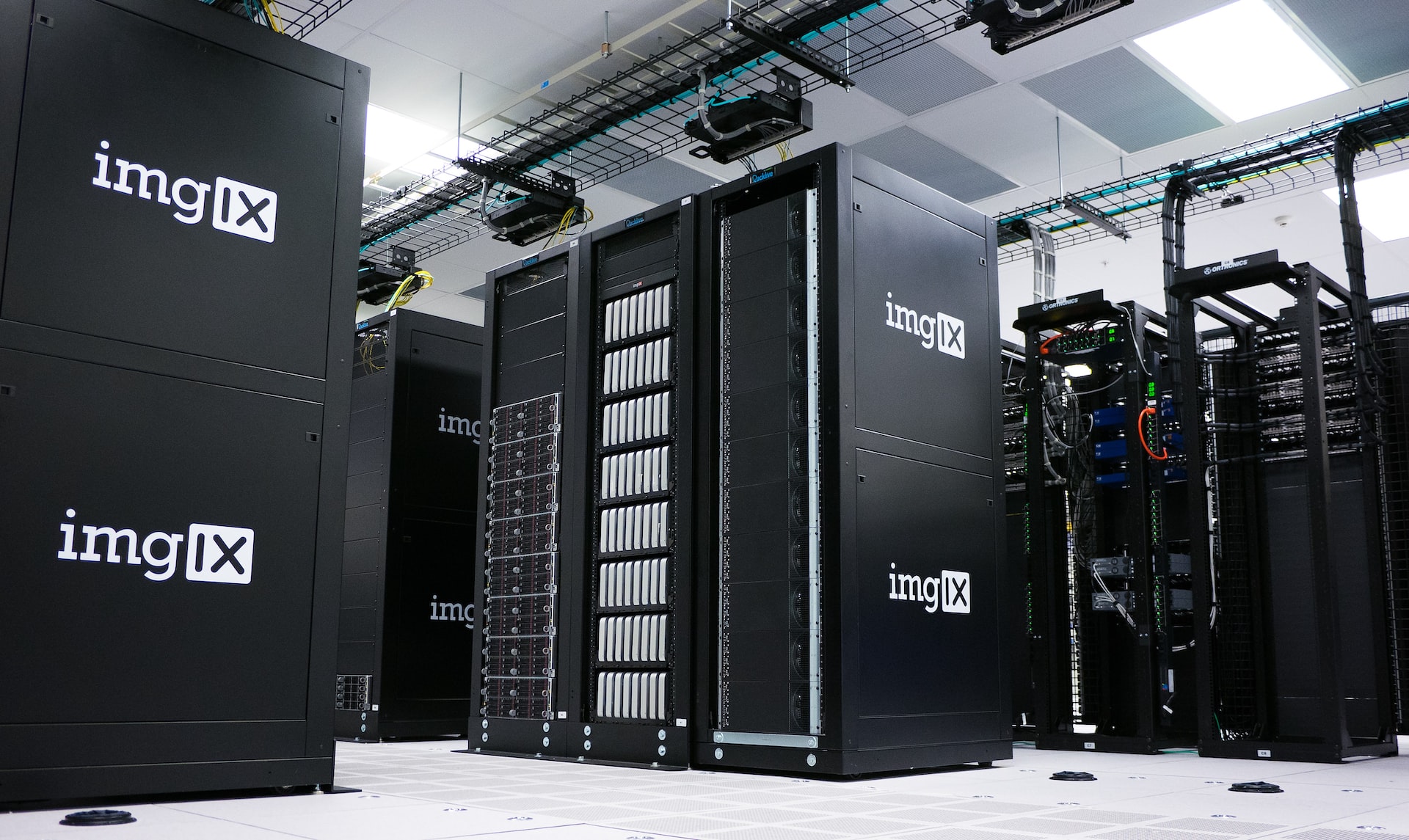
A thoughtfully and properly configured data center will be highly likely to function as intended and be able to meet a client’s current and future needs. However, data center configuration is a very involved process that requires going through the correct steps and taking the time to understand how the facility must function to perform as expected. Here are some factors and pointers to keep in mind.
Consider Using Simulations in the Early Stages
If people make configuration mistakes in a data center, the ramifications can be extremely costly. There’s no way to predict the future and know for certain that a data center will be fit for its purpose in every way. However, 3D simulations can reveal many aspects early on that people may not otherwise notice until much later.
People can make various tweaks to the models to best represent the actual environmental conditions of the operational data center. For example, they can specify certain variables for the ambient temperature and supply air, plus change physical dimensions in each simulation to see the effects.
Many simulation products for data centers work in the cloud. It then becomes easier for decision-makers to reach collaborative choices about how to proceed with a certain facility. Plus, people can try different configurations one after another, helping them efficiently compare the various results.
Such simulations are also valuable when tight budgets are a concern. A data center client may want to know the differences associated with choosing different sizes of servers or other details that will ultimately impact how much they spend on the project. Simulation software shows them those specifics quickly, keeping everyone well informed about the possibilities.
Prioritize the Data Center’s Primary Components
Since data center configuration is such a lengthy and painstaking process, it’s often challenging to figure out the most productive way to dive into the task. One recommended best practice is to focus on the main parts of the data center and spend time assessing what each one needs.
The Facility’s Space
Begin by thinking about the minimum number of square feet or meters needed to house all the IT equipment. If a client is moving into a bigger data center, looking at how much space the old one had can provide useful information.
People must also consider how much space the data center must have now and for any future needs. That’s one of the most practical ways to make the facility as future-proof as possible and ready to scale.
Power Requirements
Data centers collectively use more electricity than some countries. The overall consumption is getting less intensive due to technology improvements that promote better efficiency. However, there’s still a long way to go. That’s because it’s not just about the electricity required to run the equipment. Data centers also use electricity to keep assets from overheating. Exploring sustainable options, such as clean energy, is a smart decision.
Electrical wire insulation must also be a part of assessments of power requirements. Insulation safeguards copper and steel from environmental elements, extending the life span of those materials. Insulation also reduces electric shock risks.
Security
Data centers are vital for keeping modern society running, and cybercriminals know it. The facilities are common hacking targets, which means data center configuration must encompass how to keep the assets and data safe. However, security risks can come from inside the facility, too. One study found that 67% of respondents mentioned misconfiguration as their biggest cloud security concern.
Having a strong infrastructure against cyber threats is essential, but security extends to physical controls, too. People must secure the facility’s perimeter and its contents through various means. That could include installing cameras within and outside the data center, using biometrics for access control, and planning only single entry points into an area that allows one person to enter at a time.
Hardware and Software
Data center hardware breaks down into several key types. There is the core computing equipment, such as the computers, servers, and racks, plus the networking equipment, including routers, switches, firewalls, and cables. It’s also necessary to stock the data center with essential storage equipment, like hard drives and backup resources.
People must not overlook the software that accompanies those assets. Data center configuration requires ensuring that the hardware and software will work smoothly together and that the collective tech assets are fit for their purpose.
Disaster Avoidance and Recovery
A 2022 study found that 80% of data center employees had dealt with outages over the past three years. The research also indicated that more than 60% of them resulted in losses of at least $100,000. It’s not realistic for people to hope they can prevent all such service interruptions. However, making the right data center configuration choices can make outages less likely.
A good starting point is to scrutinize the data center’s operations and aim to reduce management errors that could cause disruptions. Proper planning regarding things such as when to perform software updates or other types of maintenance can keep things running smoothly, too.
A critical part of data center configuration involves having the technology and infrastructure in place so the facility can recover from issues as speedily and fully as possible. Disaster recovery planning often requires working with third-party providers, including to determine what solutions they offer and which are most suitable for the data center’s needs.
Explore Sustainable Solutions for Data Center Configuration
An earlier section touched on how incredibly power-intensive data centers are. As decision-makers think about the future, many realize they must make the facilities both sustainable and profitable.
Succeeding in those aims often means thinking outside the box. Some companies have experimented with building data centers under the ocean to reduce cooling costs while being kinder to the environment. Others power their data centers with 100% renewable energy.
There’s no universally best way to make a data center more sustainable. However, when people take the time to become familiar with the options, they’ll be in good positions to make informed and relevant choices.
Excellent Data Center Configuration Supports Reliability
Putting time, thought, and effort into the aspects explored here will help those tasked with configuring data centers have the best possible outcomes. However, anyone who is new to that responsibility or has doubts about how to proceed with their specific case should consider getting advice from more experienced parties who are willing to share what they know and provide suggestions.
