

Google Trends has once again captured the worlds sentiment in 2014 through the alphanumeric syntax we “Googled” and transmitted with lightening speed to data centers scattered around the world. Emotions? they say. Can we really transmit feelings via light with fiber optic cables?
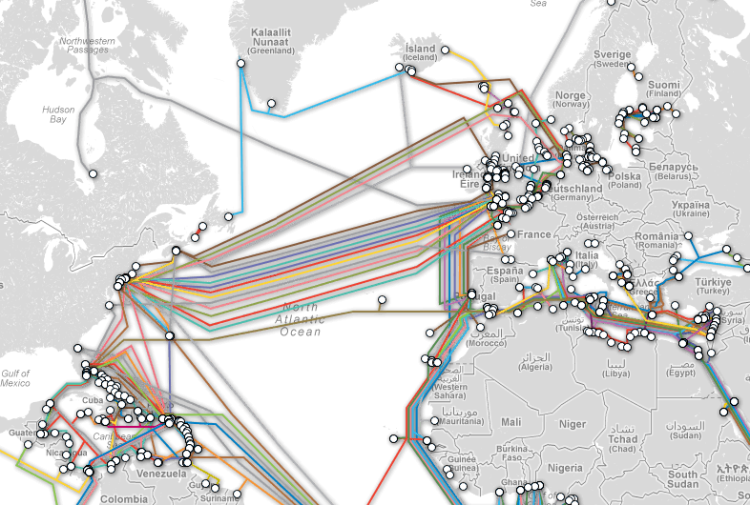
Those unfamiliar with analytics and data should be enlightened, inspired and entertained with the information that Google’s 2014 Year in review portrays. It reveals life as we (or they: Google) now know it. A life connected to the world via a myriad of fiber optic cables embedded on the sea floor.
Google Trends 2014 intro video (1:33):
The Google Trends 2014 web portal is presented in a quasi-creative format that gets us wondering:
What do Google Engineers see on their end while we are busy typing our queries into the ever so inconspicuous white Google box? Are they really capable of capturing sentiment via alphanumeric syntax?
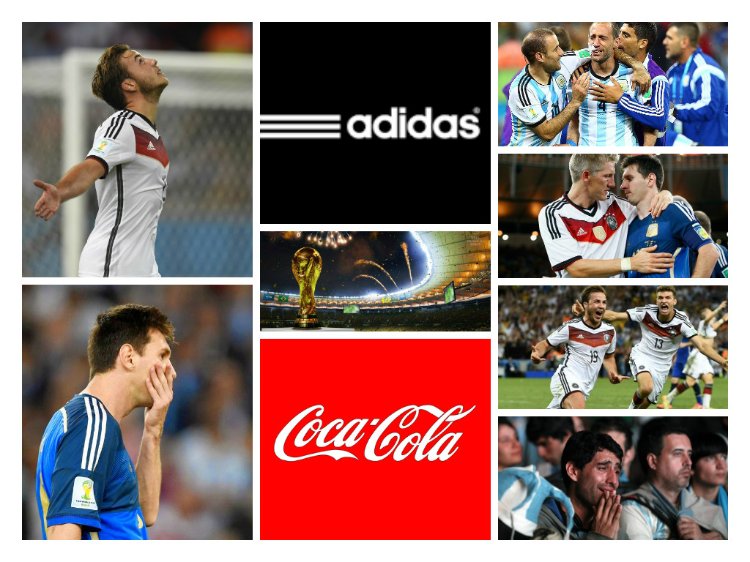
From those queries typed while the world watched as we lost a 60m x 60m, 135 000kg jet airliner over the Indian Ocean to those typed as Germans overpowered home grown South Americans (wiping out host Brazil 7-1 in the semi and then winning the final over Argentina) at their own homegrown game in the soccer World Cup.
After all, whether we are sitting in a soccer stadium in South America or part of a search and rescue mission for a missing jetliner, it’s basically life as seen through cables that transmit light very very fast.
To understand how our “feelings” are transmitted to Google after we hit “Enter”, take a look at the physical side of the Internet (the actual underwater fiber optic cables that bind the world) and how they work. A quick 12min TED talk video in which Andrew Blum brings it all together:
And then this happened. My Internet broke one day, as it occasionally does, and the cable guy came to fix it, and he started with the dusty clump of cables behind the couch, and he followed it to the front of my building and into the basement and out to the back yard, and there was this big jumble of cables against the wall. And then he saw a squirrel running along the wire, and he said, “There’s your problem. A squirrel is chewing on your Internet.” – Andrew Blum TED Talk
View the Undersea Fiber Optic World Cable Maps Here
What does it all mean?, and what does the most ubiquitous search engine in the world reveal when it crunches all the data related to what, how and when we search for it. Millions of messages per second transmitted via light beaming their way into our laptops, mobiles, tablets and TVs (What’s a TV again?). What does it reveal about human trends, and how different people in different parts of the world react to and search for world trending events. Read on.
The underlying question remains: Our world is getting smarter through the world wide web and the speed of communications. We now know (or at least Google knows) what the fans at the World Cup were searching for at minute 89 of the 2014 World Cup final between Argentina and Germany. Folks in (or from) Germany were not Googling the same way as the fans in South America. Is it time for a movie?, “The World According to Google”, or is it still surreal.
More importantly, when it comes to real world solutions, why is society investing massive financial resources in statistically winning the World Cup via spatial analytics, and not real time airplane tracking, which may have saved 239 lives. Are we focused on the wrong things. Google? Can you answer that for us?
How Germany used Big Data to Win the World Cup 2014
Could the German team’s embrace of big data have been a primary factor in their victory?…According to Flick, since 2012 about 50 students at the German Sport University Cologne had pored over countless hours of footage of the Brazilian players, noting their running patterns, their reactions to fouls and every other aspect that could possibly be quantified. Once never-before-noticed patterns started to emerge, the findings reportedly became a key part in how the coaches prepared their players for the game. Sports.Mic – July 2014
So, how and why did the world lose a Boeing 777-200 with 239 people on board? You can read more stats on the plane here, MH370 missing.
Emotionally Speaking
Coca-Cola and Adidas (both major 2014 World Cup sponsors) pivoted their marketing strategies according to Google Trends World Cup sentiment analysis. We can only begin to imagine the offices of digital marketing teams at major World Cup sponsors during the final moments of the Germany-Argentina World Cup final.
What about the opposing fans who turned and hugged each other during and after the game? The players on the turf, half in turmoil, and half in celebratory ecstasy. Who captures those emotions?
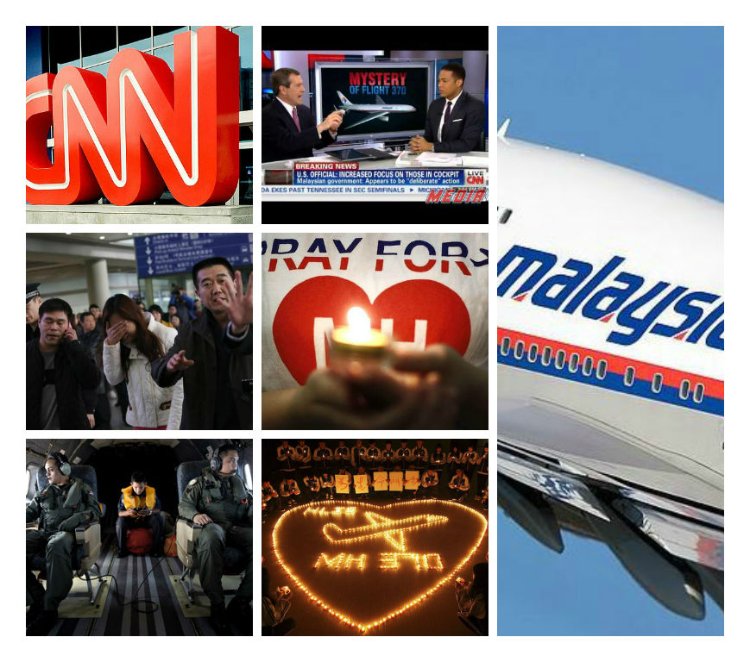
CNN and major news networks around the world created viewership on their networks by reporting on the lost jetliner MH370, until….well until the next breaking news starting creating sentiment according to Google Trends.
What about the families of lost victims holding vigils and supporting eachother? Those implicated in search and rescue missions. Hoping to get a feeling, any feeling, through binoculars and radar screens. Who captures those emotions? The emotions felt by families of victims when political leaders and airline officials announced that the search and rescue mission was officially over. Those feelings, which dropped off Google Trends bar graphs and bubble charts, are still being felt by thousands of people.
Emotionally speaking, why does society feel the need to publicize their sentiment to the world? and why does Google Trends need to capture and summarize it? Where are the true emotions from living life found and felt, both the ups and the downs. Those sentiments that Google cannot replicate or enhance. The fleeting moments where our hearts flutter and we enjoy pure bliss, or the very opposite, heart wrenching anxious despair.
The true emotions are felt by those embracing each other in Germany after the 2014 World Cup win. Enjoying a lager together and laughing and dancing together. The minds of players on the pitch were not thinking along the lines of Coca-Cola or Adidas. They were experiencing emotions that could not be felt via Twitter or Google. Feelings that could not be monetized by the even the best team of digital marketers in the world.
The true emotions are felt by those whose families were navigating their minds and hearts when MH370 went missing and found out their loved ones were on the passenger list. They are neither captured by Google nor able to be transmitted via cables and satellites. They exist in our hearts and in our minds, exactly where they are meant to be. They are “Ungoogleable”.
The true emotions are felt by the doctors who risk their lives everyday. The emotions they feel while they are gearing up with multiple layers of protection, and washing in almost pure alcohol after a day of treating ebola infected families and their children. They are the emotions felt by parents when doctors tell them if their children will survive another day. They are real and cannot be Tweeted or Googled, or for that matter, transmitted via fiber optic cables.
Real emotions keep people bound in ways no one can explain. They create and inspire and are not about pouring ice cold water on your head in front of a camera. They are about a love so intense, that even after his diagnosis of ALS and being given two years to live in 1963, Stephen Hawkings revolutionizes physics for at least another half century. Can any savvy digital marketing gurus capture those feelings?
As Prof. Hawking told the films director, James Marsh, it was love that allowed him to become that person, to transcend the disease, and set the conditions for his genius to flourish. She loved him and cared for him, and as a result, he was so free of practicalities, his mind was able to wander where it did to the far reaches of the universe. – The National Post, N0v. 2014
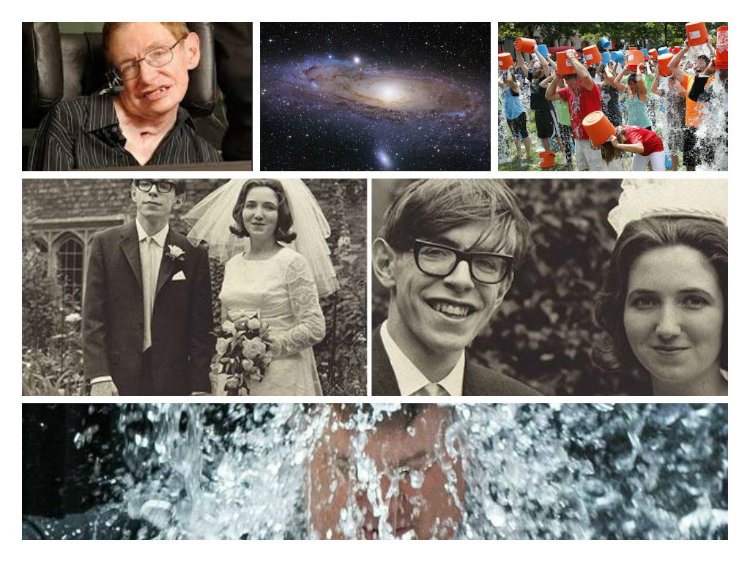
Real emotions make our hearts skip a beat and they infuse our skin with sweat. They make people look into each others eyes and feel. They make people embrace and they make people cry. People dance all alone in their living rooms and people laugh until it hurts because of emotions. They make nations hoist flags, or fly them at half mast. Both timeless and priceless they create and inspire and cannot be shared via even the best underwater sea cables light frequencies.
Real emotions are shared around dinner tables with family and friends. They are expressed during an intense one on one conversation with your soul mate. They create long stares and stolen kisses. They create calm by sitting in your favorite chair, reading your favorite book. They are both internal and external, creating memories that can never be shared via fiber optic cable.
Emotionally speaking, Google Trends may give some insights on what the world is sharing and feeling, but the real underlying sentiments can only be created by the interactions of human connection.
