

The United Nations estimates that by 2050, two out of every three people will be living in cities or other metropolitan centers. This indicates that by the middle of the century, approximately 2.5 billion people could be introduced to urban areas due to demographic shifts and global population growth. The research also predicts that by 2030, the world will have 43 megacities (cities with a population of more than 10 million people).
Cities are undeniably the bedrock of future global economic growth and humanity’s social, technological, and cultural advancement. However, these shifts have far-reaching repercussions for supply chains. Companies from all sectors, industries, and markets must succeed in serving urban clients and consumers in order to remain competitive. This is especially true in B2C industries, where the competition for future consumer markets boils down to who can best manage the last mile of physical distribution in urban centers.
The current problem with last-mile logistics
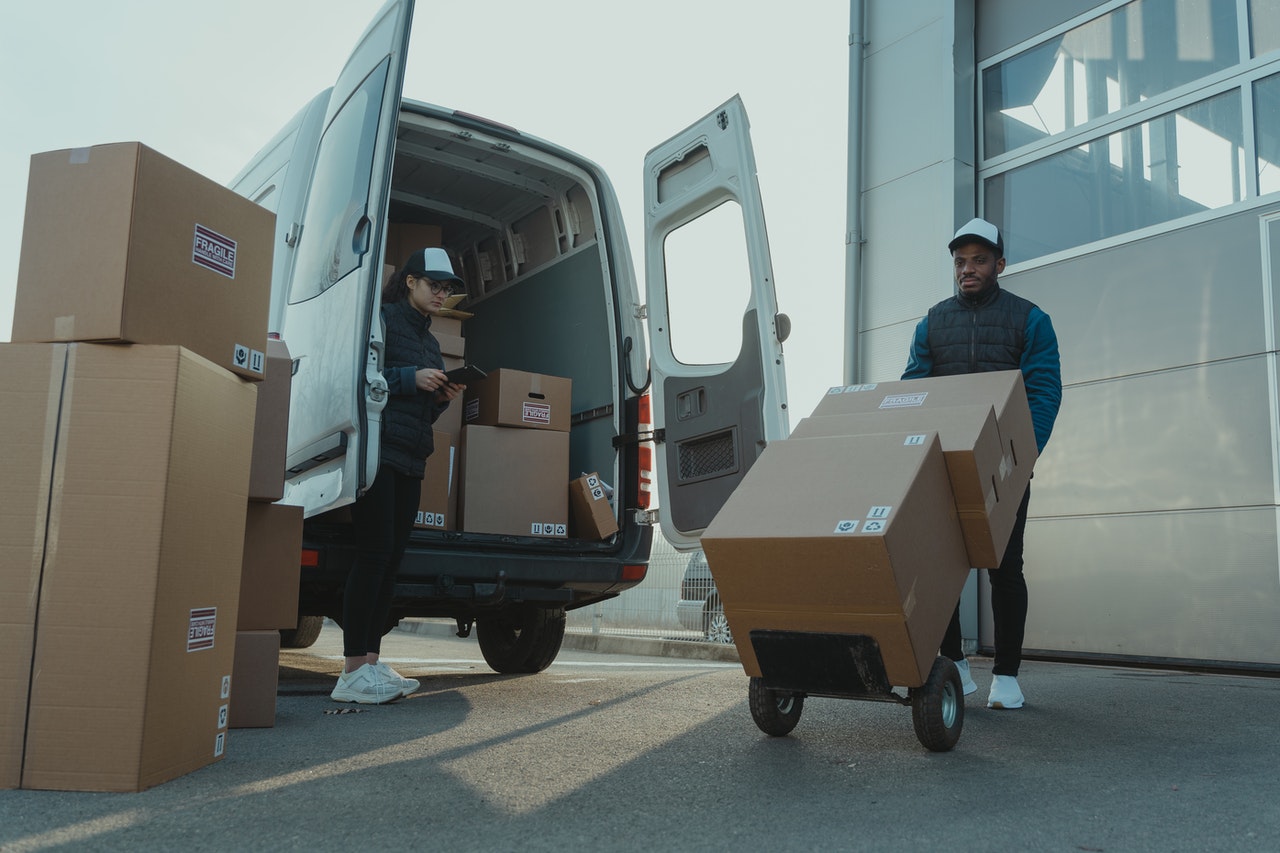
The last mile is the journey a product takes from the manufacturer’s warehouse to the end consumer, marking the end of the operational process when the item finally arrives at the customer’s door. Despite it being one of the central factors to customer satisfaction, last-mile delivery is also one of the most problematic aspects of the entire shipping process.
The first and most obvious issue is that consumers have grown accustomed to quick or near-instant gratification when it comes to online shopping. For example, some companies offer same-day and even same-hour deliveries. This would have seemed like something from a futuristic sci-fi movie just a few years ago, yet here we are!
Despite the unparalleled convenience these services bring to customers, they set (often unrealistically) high expectations, which put a lot of pressure on the supply chain, especially the last mile, which is often the most complicated and time-consuming link in the chain.
Second, last-mile deliveries are inefficient, particularly in sparsely populated areas. This makes the process costly for the business and the customer. In fact, the last mile accounts for around 53% of the total cost of shipping an item. As a result, inefficiencies in this supply chain can become exceedingly expensive.
Finally, densely populated regions, such as major cities, present their own set of unique challenges, primarily since they can be difficult to navigate (logistically speaking). Furthermore, expanding cities eventually begin to build upwards to accommodate more people, businesses, and activities. However, these growth strategies result in greater congestion across the urban transportation infrastructure and an increased risk of accidents and other unplanned disruptions to urban mobility. As a result, planning effective and dependable last-mile delivery operations has become more difficult, necessitating greater operational flexibility and redundancy from urban distribution systems.
With all the aforementioned concerns in mind, many companies that rely on last-mile logistics are looking to data analytics for answers. Here are a few examples of how data analytics might aid in the improvement of these procedures.
How data analytics can help
Increased transparency in delivery processes
Transparency is one of the most fundamental aspects of supply chain logistics. The more information a business has over its in-transit products, the more control it will be able to exert. Companies can identify internal and external vulnerabilities in operational processes, such as communication issues, unplanned events, or delivery failures, through the proper implementation of data analytics. These roadblocks can be addressed in near real-time thanks to the analysis and collecting of this data, all of which helps to improve last-mile delivery operations.
For example, the rise of the Internet of Things (IoT) and sensor networks has enabled companies such as Mileberry to create products that assist in the automation of logistics, retail, and eCommerce.
Mileberry’s click and collect devices give both senders and receivers full visibility of their goods in the last mile, offering a smoother experience for everyone involved in the process.
Optimization of costs, resources, and process quality
Changes in fuel prices, traffic, insurance, and damaged goods are all examples of external factors that directly impact last-mile delivery expenses. This is why businesses are beginning to turn to data analytics software to evaluate the state of their delivery operations in real-time and make decisions based on the most up-to-date information.
According to one study, field management data analytics software helped 86 percent of companies save money on fuel. Therefore, if a specific district or city experiences higher order volumes at various periods of the year, businesses can plan ahead for these increased demand levels rather than waiting for them to surprise and overwhelm them out of the blue.
This means that managers can plan demand and delivery efforts ahead of time, schedule and optimize transportation routes, increase the number of orders delivered on time, and reduce return costs by knowing that issues may be addressed and remedied as they emerge.
Improved service levels
Customers have specific expectations regarding last-mile deliveries, as previously stated. These expectations are largely responsible for customers spending so much time tracking their items from the time they are picked up until they arrive. As a result, one of the most common data analytics applications are to improve end-user service levels. This means customers are happier, which leads to increased sales for the company.
Another example of this in action is how Mileberry’s technology almost completely eradicated the rising issue of parcel theft in the USA. Thanks to their IoT smart lockers, manufacturers and end consumers can have more confidence in the delivery of the parcel. This helps boost customer satisfaction while saving companies millions of dollars in costs associated with reshipping products.
Final word
Data analytics is a new tool with a wide range of applications that can improve the effectiveness and efficiency of last-mile logistics. The companies that adopt this technology stand to enjoy vast improvements in transparency across the delivery process, optimization of costs, and resources allocation, while improving service levels for the end consumer.
