


Big data touches so many aspects of our lives today it‘s become a pivotal element in the development of various industries. Despite cybersecurity being an age-old concern, it isn’t immune to rapidly developing technology.
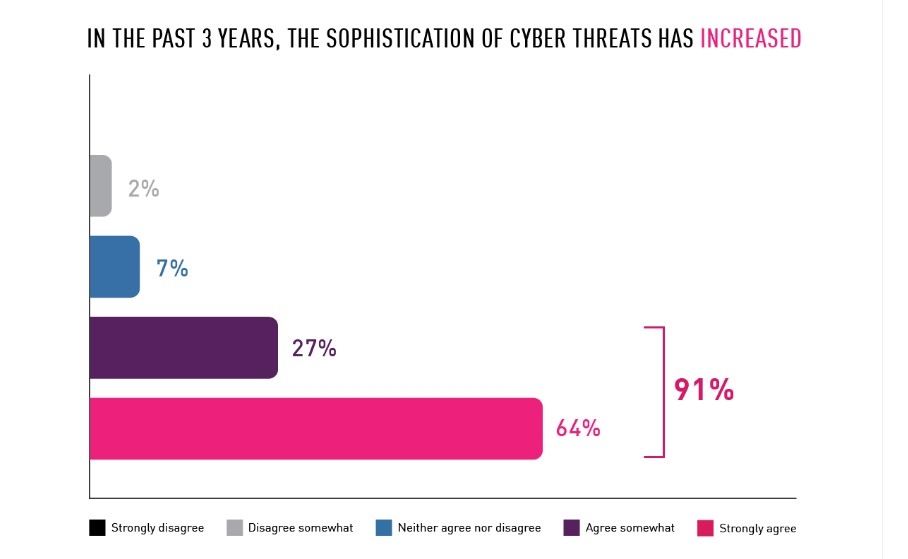
Security threats have long been increasing in both scope and complexity. Over the past year, more advanced attacks have emerged, utilizing everything from new phishing lures to environment-based ransomware.
Not only is security at greater risk, but user privacy threats have risen exponentially. The privacy risk aspect is arguably even more significant since legitimate companies are mining our data alongside cybercriminals.
Yet all is not lost. The situation highlights changes implemented by cybersecurity companies. Thanks to big data, new strategies are constantly being added, which give many cybersecurity tools today a more dynamic working model.
In the past, cybersecurity companies typically relied on a reactionary model in product development. It began with risks identification and assessment, then the push of updates into security product databases.
While this model is still in force, it has become only part of most cybersecurity packages. To understand the advantages that big data brings to cybersecurity, let’s consider some of the more obvious benefits.
1. Big Data Improves Security Incident Response
Aside from anticipatory actions, big data also enhances security incident response processes. Where cybersecurity once focused solely on prevention, some applications today can work past prevention towards identifying, isolating, and removing threats.
While not an entirely new development, big data helps enhance the process, potentially leading to even more advanced response capabilities in the future. This potential is vital, given that various encryption protocols, including Transport Security Layer (TLS) and such, have proven less than optimal in data protection.
2. Big Data Dynamically Predicts the Scope of Threats
Â
Big data also gives the foresight to predict the intensity and extent of potential security threats. By analyzing data patterns and sources, organizations can feel if an incident is a probe that might lead to a full-on attack.
Some tools today already have these capabilities. The data analysis engines they include can provide the basis for judgment on what threats are acceptable or not.
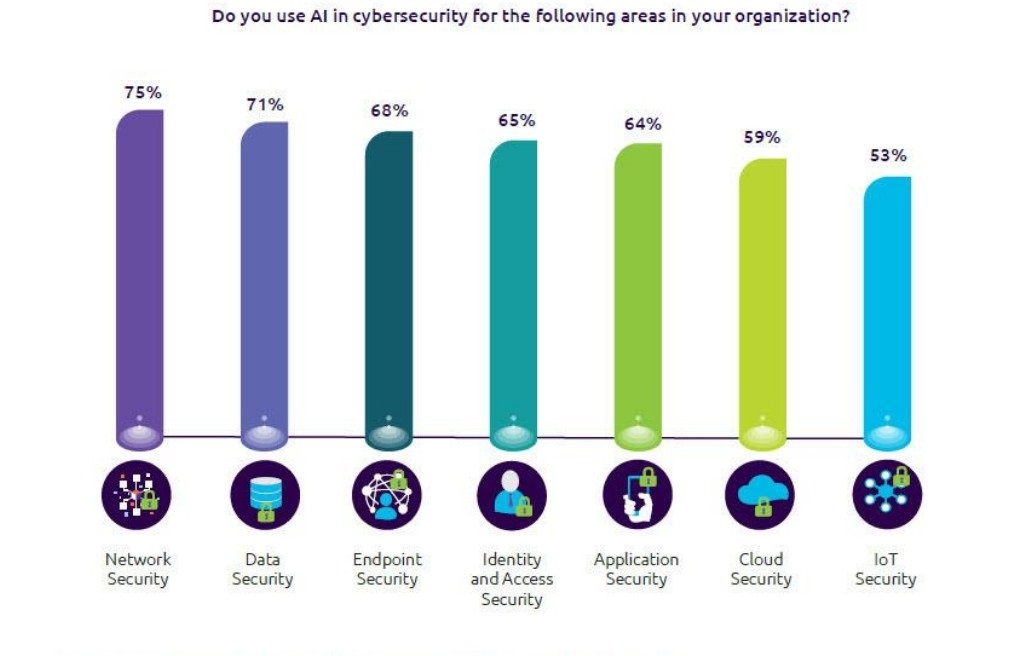
At the same time, predictive modeling based on the same data can also foresee potential attack points. Such modeling works in tandem with two other relatively new areas of interest; Machine Learning (ML) and Artificial Intelligence (AI).
As advances in related fields move ahead, the overall competency of products using these elements can move forward together.
3. Big Data Helps Anticipate Cybersecurity Threats
Given enough data, security applications today can conduct behavioral analysis to match changes between current and past actions. These dynamic means of monitoring provides customized protection that isn’t possible with traditional standards.
One good example of this is websites or servers that are capable of assessing changes in user profiles. If Bob is working from home, he typically logs in from a range of IP addresses that’s relatable to his known location.
Once Bob switches on his Virtual Private Network and attempts the same, the potentially vast discrepancy in IP or even country source can raise red flags.
4. Big Data Enables Automated Monitoring On A Large Scale
The human factor remains a glaring weak spot where cybersecurity is concerned. Most typical employees don’t have cybersecurity skills and are less familiar with the threats faced. If something happens, they will also not know how to respond.
With big-data-driven tools, applications today can monitor activities on almost any scale, proving defense-in-depth across businesses of all sizes. These tools serve as an effective stopgap that plugs potential blind spots arising from human factors.
5. Enhanced Security Comes at A Manageable Cost
Due to the economy of scale, cybersecurity companies employing big data to produce more effective tools can do so relatively cheaply. These solutions can then be packaged and sold as services, allowing access to powerful products to a broader audience.
The most obvious example where this can be seen lies in consumer cybersecurity products. Internet security applications produced by top brands in the business can offer robust products even more cheaply than ever.
Where these used to be solid in single-license copies, prices have not risen significantly despite an expansion towards multiple-device licensing to meet the demands of modern-day consumers.
Big Data Still Has Some Disadvantages In Cybersecurity
Despite the many and clear advantages that big data brings to cybersecurity, it isn’t entirely flawless. Some of its benefits introduce new elements of risk, even if outside traditional cybersecurity borders.
The essence of big data lies in the collection and analysis of data. Within organizations, that might mean the data of hundreds of employees. On a larger scale, the implication leans towards even more significant numbers of individuals.
That data, in the right hands, serves as the biggest asset for big data and cybersecurity. Yet if not sufficiently protected, it becomes a boon to cybercriminals. Leaked data or data breaches are increasingly common, leading to high liability and potential new risks.
While many organizations rely on encryption to prevent data from being useful without the appropriate keys, such standards aren’t universally respected. Facebook, for example, famously stored unencrypted user data for years – until cybercriminals stole the data.
To understand the scope and potential liability, here are some of the data breaches that came to light in 2021 alone;
-
Facebook, Linkedin, and Instagram lost 214 million data records in 2021 alone.
-
3.3. Million data records of Audi and Volkswagen in Canada and the US were stolen.
-
20/20 Eye Care Network had 3.25 million data records removed or deleted.
Prediction Remains Imperfect
Aside from data risk, there is also the problem of incorrect predictions, resulting in unnecessary overhead to business models. While it’s always better safe than sorry, the involvement of large-scale IT teams in analyzing false positives can be frustrating and costly.
Regardless of how advanced big data analytics and cybersecurity tools become, anything predictive will be supremely challenging to perfect. Even as technologies mature, cybersecurity threats will continue to evolve, resulting in a potential status quo.
Conclusion
While big data brings significant advantages to cybersecurity, companies stand considerable risk due to the inherent danger of holding large amounts of data. Despite this risk, there is much more unexplored potential in the field.
For customers of said cybersecurity products, however, the benefits far outweigh the potential cost. Smaller companies and individuals stand to gain the largest benefits through increased security at a manageable cost.
