
Big data analytics used to be reserved for large enterprises with deep enough pockets to fund both the IT infrastructure and the data scientists necessary to derive insight from massive data collections. Sure, smaller companies might collect or gain access to big data, but getting actionable information from it was an enormous challenge.
Gaining insights from big data analytics is no longer exclusive to big enterprises.
Artificial intelligence and deep machine learning are two advances that are now allowing the general business community – including small and medium-sized enterprises – to get their arms around big data analytics. Smaller enterprises can now perform data analysis so they can visualize and make sense of data. The possibilities are endless and fascinating, and range far beyond intelligent marketing, which has long been a major focus of big data analytics. Following are 4 breakthrough uses for big data, and what these advances tell us about the future of data analysis.
1. Improved Disaster Response
The earthquake that struck Nepal on April 25, 2015 was communicated around the world immediately, prompting charities, relief services, and rescue crews to action. Big data became part of the disaster response too, as crowdsourced efforts to connect people with loved ones and get aid to the victims grew up overnight. The enormous amounts of data that were generated by phones, satellites, and social media provided many clues as to the best response to the catastrophe. So-called “Big Crisis Data” first gained traction after the 2010 Haiti earthquake and the 2011 Tohuku earthquake and tsunami, and can now offer quick, useful responses like crisis maps for directing relief organizations and faster tracing of missing loved ones.<
2. Better Urban Pest Control
The city of Chicago is now using big data analytics to address rodent infestations. By performing data analysis on 12 years of resident complaint data of all types, city engineers have learned how to read clusters of data to determine where rats are likely breeding so sanitation crews know where to direct their efforts. Their algorithm uses 31 variables related to resident complaints about problems like food poisoning cases and overflowing trash containers. In many cases the city can address rodent infestations days before ordinary citizens ever notice a rat. Chicago wants every service agency to have big data analytics by 2016, with capabilities on par with leading smart cities like Seoul, Barcelona, and Amsterdam.
3. Higher Crop Yields
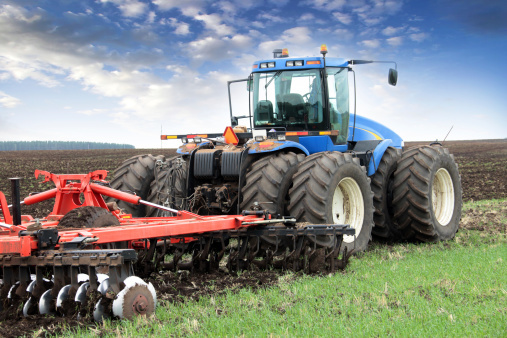
Data analysis can now be used by individual farmers to improve yields.
A few years ago, engineers Craig Rupp and Corbett Kull designed a $500 drive that collects data from farm equipment and beams it to a mobile device, where it’s geo-tagged by an on-board GPS. Farmers can either view data in real time, or collect the numbers from the cloud later and gain insight into, for example, which locations are receiving too much fertilizer. Now big data analytics is being touted as the next revolution in agriculture. A San Francisco-based company called Climate bought Rupp and Kull’s business and it now combines climatology data analysis with farm data collected from the field to improve farming productivity further.
4. Discovering Unexpected Drug Interactions
Scientists from Stanford and Columbia Universities as well as Microsoft used big data analytics on search engine queries to identify previously unreported prescription drug interactions before such information could reach the US Food and Drug Administration (FDA). By examining queries related to an antidepressant and a cholesterol lowering drug, the researchers‘ data analysis found evidence that the drug combination caused high blood sugar levels. Normally, the FDA only learns of adverse effects when physicians notice something and report it. However, search engine data analysis was able to automate discovery of this drug-drug interaction by identifying individual searches on the drugs, searches on both drugs together, and relevant searches about symptoms.
Conclusion
Small businesses are no longer excluded from the big data analytics scene due to breakthroughs that help eliminate the need for doctorate-level data scientists and massive IT infrastructure investments. Moreover, big data isn’t just about predicting consumer behaviour, but is being put to work addressing disasters, running cities better, helping farmers increase production, and alerting medical professionals to problems well before they might know about them otherwise.