


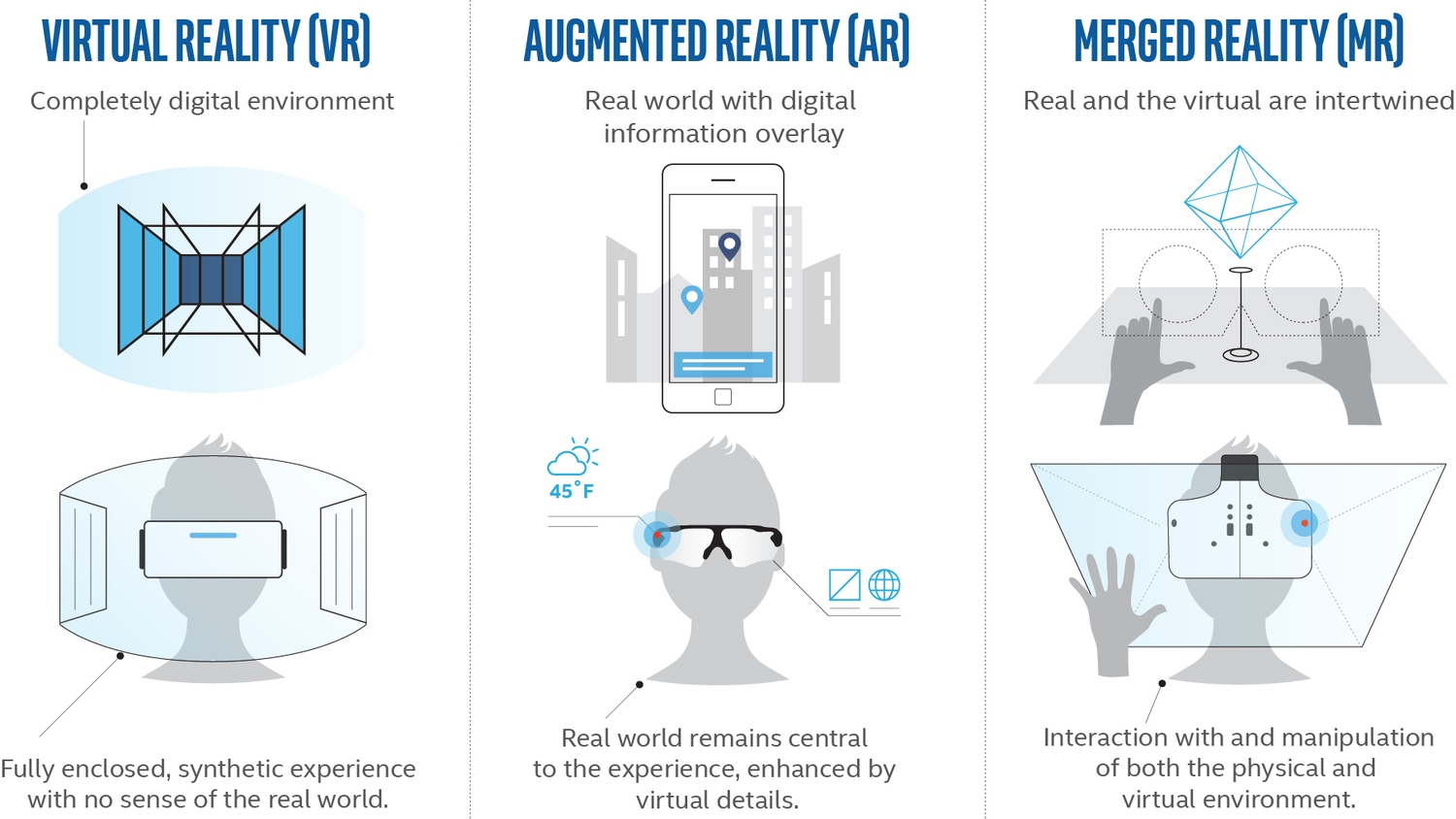
For decades, the topics of augmented reality, virtual reality and mixed reality have been more readily associated with science fiction films and elaborate predictions for the future. However, today, the very same technology is actively transforming our daily lives. From real estate, to computer games, to healthcare and education – there’s plenty of examples of industries that have been heavily influenced by reality technology. Marketing stands as one of the industries that stands to gain the most from the development of AR, VR and MR.

(Image Source: Applied Art)
There are few more disruptive influences over the industry of marketing than the arrival of augmented reality, virtual reality and mixed reality. Driven by artificial intelligence, big data and machine learning, technology has opened plenty of doors for marketers.
Today, businesses are transcending traditional marketing tactics or old hat pop up advertisements. Rather, they’re opting for tools that allow them to engage directly with their audiences. The desire for a more engaging and immersive user experience has driven businesses to technologies like AR, VR and MR as a brand new way of connecting with prospective customers.
Elsewhere, industries such as healthcare, education and design have already been greatly influenced by reality technology. With the development of AR, VR and MR expected to gather momentum as the decade progresses, let’s take a look at some of the ways that they will change the way businesses interact with customers:
Brand New Levels of Customer-Brand Interaction
Customer engagement is a pivotal part of any marketing strategy, and both augmented reality and virtual reality now have the power to enable marketers and advertisers alike to achieve new levels of interaction between both brand and customer.
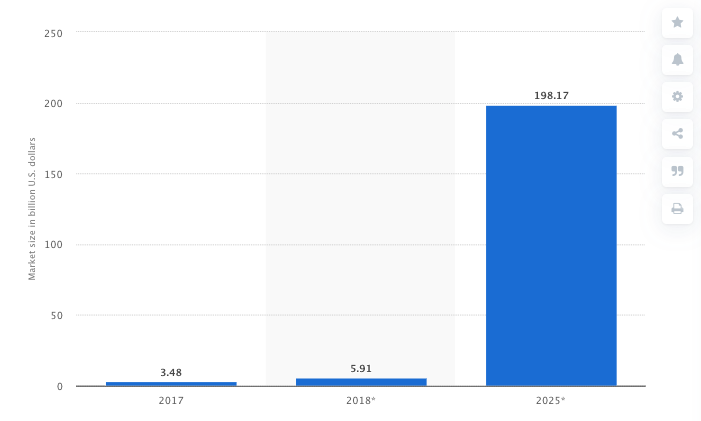
More traditional marketing methods come with limitations when it comes to encouraging customer interaction. This, in turn, severely hinders the benefits that can be drawn from a favourable buyer experience. Implementing AR, on the other hand, provides much greater levels of immersion.

(Image Source: Statista)
In retail, the immersive experiences offered up by AR, in particular, have been used in impressive fashion by homeware brands like IKEA and Home Depot, as well as fashion brands. Because of augmented reality’s ability to impose digital layers onto real-world environments, furniture stores can allow users to digitally place chairs, lamps and ornaments alike in their homes to see whether they would be a good addition prior to buying.
Elsewhere, Instagram Checkouts has begun testing try-ons for cosmetics and eyewear alike. Users of the social network can use their smartphone cameras to superimpose sunglasses and makeup to gain an unparalleled experience with brands and their products.
The Art of Experiencing’ a Business
In the digital landscape where users can readily access product reviews, explore images and check ratings before carrying out a purchase, both AR, VR and MR can work to create a dynamic, 360-degree rendering of any product or service to create a virtual experience.
While we’ve already touched on the furniture renderings that are currently being utilised by a host of major homeware brands, 3D models are helping clients to physically’ walk through interior design concepts for their homes, or explore how artwork could look in their living spaces.
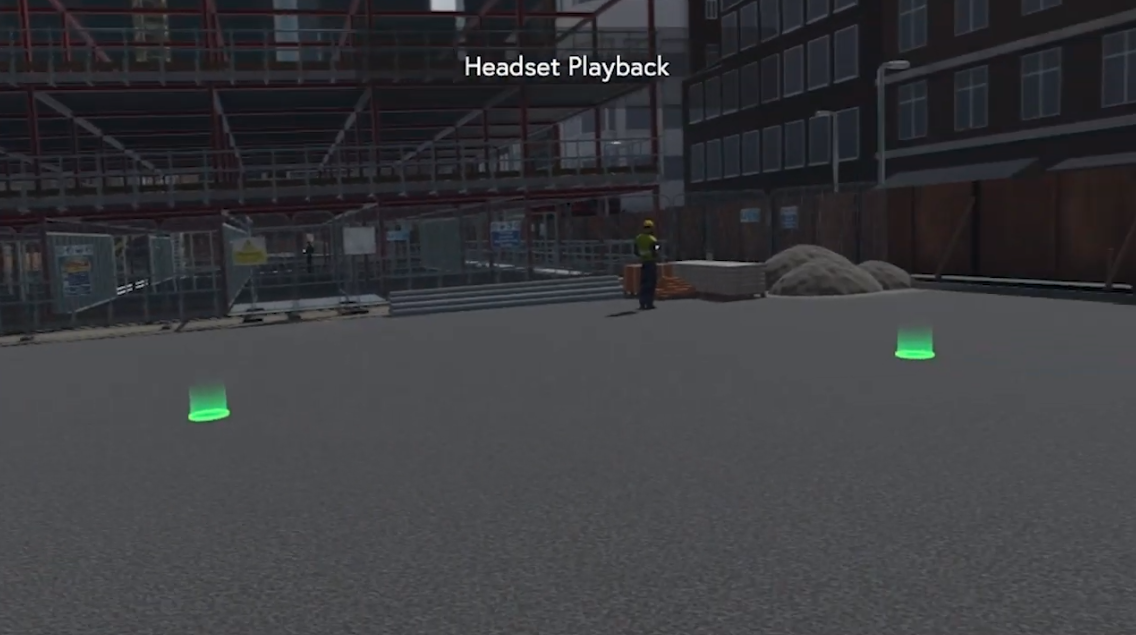
For instance, Mesmerise is a good example of a company that uses AR to supply businesses with immersive experience. Below is the illustration how a company uses AR to help with construction site training.

During the devastating and difficult COVID-19 pandemic, the real estate industry turned to virtual tours in order to continue operating while social distancing guidelines warned against face to face interaction.
The beauty of utilising virtual reality to create immersive experiences between customers and businesses is the invaluable data that VR systems can obtain about audiences when signing up to a specific app or program. This, in turn, helps companies to optimise their marketing efforts by focusing their strategies on the information gathered.
Optimising AR Accessibility
The accessibility of AR is ever-increasing. Today, smaller creators and retailers alike can showcase their work by designing rudimentary augmented 3D models for under ‘ 100. Although more complex designs are more expensive to produce, platforms are becoming more incentivised to enable brands to showcase AR and VR content. Naturally, higher levels of engagement on social platforms such as Facebook and Instagram would be a mutually beneficial development.
Oliver Bouan, Product Manager at Facebook explained: We’re rapidly turning our eye to how we can start to make this accessible to more advertisers and what the obstacles are. Many of them are starting to see their returns, so it’s just a question of how do you multiply that. The sooner we lower those barriers, the sooner we’ll be able to get more of these products online, more of these products in our shopping experiences and then out to more people.
Reality technology has broken down barriers between brands and their customers that traditional marketing approaches couldn’t surpass. With heightened levels of engagement, products can now be virtually experienced by using dedicated apps or social platforms – encouraging both conversions and conversations between companies and audiences alike.
While the adoption of AR, VR and MR approaches to customer experience models and interactions are currently the domain of multinational companies, the accessibility of such technology is increasing with the integration of social platforms. For a world that was only recently intent on forming bonds with customers via static pop-ups, the marketing landscape has evolved rapidly.