


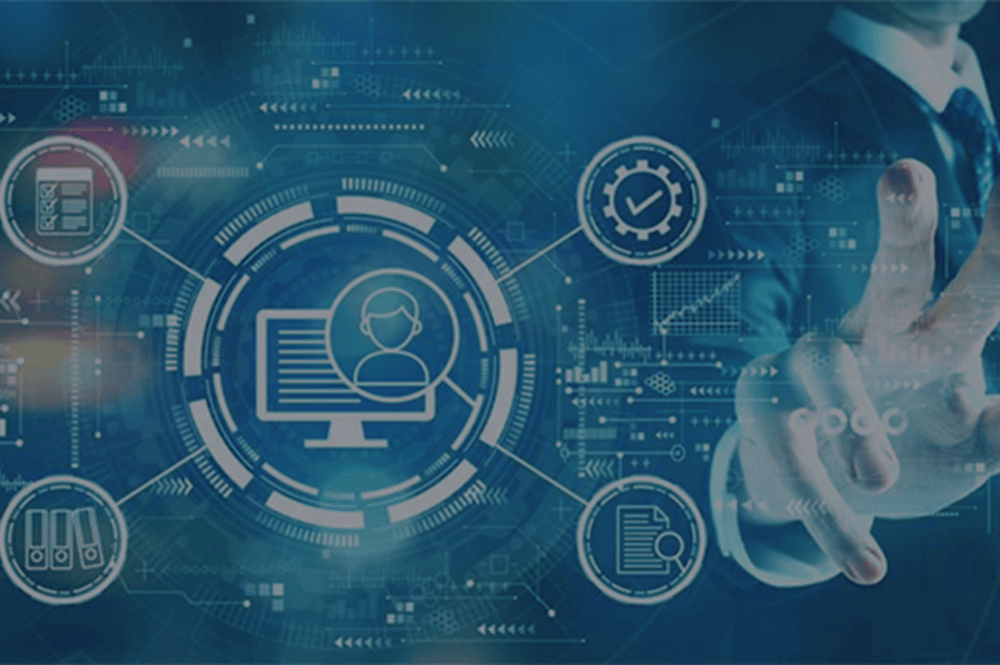
A comprehensive Data Modernization plan resembles a smart roadmap for businesses to stay in sync with emerging technologies. It is all about making the most of the prevalent technologies and preparing for the future. It starts with looking at how you handle extensive data now in sync with cloud computing, AI, and machine learning techniques.
When you update your data system, it’s like opening new doors. You can get to your data easier, make sure it’s top-notch, and keep it safe. Plus, you can get insights with real-time analytics.
But it’s not just about the tech. A truly great plan involves everyone in the company getting on the data bandwagon. That means giving the staff the right tools and know-how to make decisions based on data.
By doing this, you are not just making things easier; you are setting yourself up to be a fast-moving player in the entrepreneurial game. You will be able to jump on new tech trends and what customers want faster than anyone else. It’s like having a cheat sheet to stay ahead of the competition and keep your business thriving with smart data modernization.
The Need for Enterprise Data Modernization
Enterprise data modernization has become critical for enterprise success and to gain an edge in the dynamic digital marketplace. When the data volumes explode, traditional management systems are proving to be incompetent to bear the data load, speed, and advanced analytics
That’s when the need for data modernization arises to combat the evolving regulatory landscape and strengthen data security spaces to safeguard sensitive information and resist potential breaches. Practically transitioning to a modern-day data architecture creates a multitude of innovative possibilities to optimize operations and embrace growth opportunities.
Upgrading the data management strategies empowers enterprises to rise above digital complexities and ensure the utilization of data sets effectively. Overall, it creates an environment bound by security and innovation to make the most of structured data.
Here are some techniques to implement enterprise data modernization:
- Assess Current Data Landscape: Begin by conducting a diligent analysis of the existing data architecture, focusing on the identification of obsolete systems and comprehending the intricacies of data flows. This strategic evaluation is pivotal in effectively identifying the domains necessitating technological advancement and optimization.
- Adopt Cloud Data Transformation: Adapting to cloud solutions supports enterprises with data scalability, adaptability, and accessibility. Cloud services are agile and enable the usage of advanced analytical skills and the application of machine learning functionalities without major investments or requirements of change in infrastructure.
- Implement Enterprise Data Governance Framework: Establishing a meticulous data governance framework keeps intact the integrity, security, and regulatory compliance of our data. This brings clarity in roles and responsibilities for data ownership, crafting rigorous policies governing data utilization, and implementing modern management systems to manage extensive data sources.
- Utilize Modern Data Integration Tools: The innovative data integration tools are capable enough to consolidate data from diverse sources. Once the successful integration is initiated, real-time data access is available seamlessly across departments to enhance timely collaboration and improve decision-making.
- Invest in Training and Change Management: As upgrading to new technologies is mandatory for enterprise success, so is training the employees a significant part of the data management strategy. This is mainly to let the staff get well-versed with the new systems and improve performance in the long run.
How Does Legacy System Modernization Help Enterprises?
Legacy systems showcase the modern versions of system functionality in the domain of digital transformation. These are beneficial for enterprises in terms of elevating operational performance, rising above traditional systems, and working smartly with the latest technologies such as cloud computing, data analytics, and artificial intelligence. This optimizes operational processes and significantly enhances their decision-making acuity.
Here are the relevant implications of legacy system modernization:
- Improved Efficiency: Modernizing legacy systems successfully reduces manual interventions, streamlines processes, and improves operational efficiency.
- Cost Reduction: Upgrading to modern systems incurs lower maintenance costs and reduces downtime, ultimately leading to significant cost savings over time.
- Enhanced Security: Pushing legacy systems towards modernism keeps the security norms structured, ensuring the threats stay at bay, and safeguard sensitive data.
- Better Integration: Integrating legacy systems with innovative technologies creates a route for uninterrupted data sharing and collaboration across multiple platforms.
- User Experience: Modern legacy systems are highly responsive, making the user platforms user-friendly and improving digital experiences.
Is Cloud Data Transformation a Part of AI-driven Data Management?
Yes, it is rightly said that cloud transformation is an important part of the AI-driven data management strategy. In the current scenario, enterprises are actively utilizing cloud computing techniques to comprehensively deal with existing and new data while also extracting valuable insights for business sustainability
The advanced AI algorithms being a part of the dynamic digital transformation era carry the power to automate data transformation. This ensures the optimized data is accurate and consistent, ready for use. In synergy with cloud data transformation and AI technology, contemporary data management systems function effectively, enhancing decision-making and improving operational efficiencies.
What is the Role of Enterprise Data Governance in the Data Modernization Strategy?
Enterprise Data Governance unleashes the power towards implementing a data modernization strategy to achieve quality, consistency, and security across an organization. Here are the top benefits of including data governance along with data modernization strategy:
- Improved Data Quality: Data governance makes enterprises confident about using the existing data as under the purview of data governance frameworks, the data quality is accurate and reliable to use.
- Regulatory Compliance: Every enterprise functions based on fixed standards and policies. Adhering to data governance policies helps enterprises to function in compliance with relevant regulations, eliminating the risk of legal issues and penalties.
- Enhanced Decision-Making: Following a roadmap of systematic data governance generates accurate insights that prove to be useful for practical decision-making.
- Upgraded Data Security: Data governance frameworks adhere to stringent protocols and procedures to regulate data access. This comprehensively safeguards sensitive information and poses as a security wall against data breaches.
- Manage Excess Data Assets: When data sets overflow, it becomes crucial to modernize data management processes to streamline workflows and manage excess data.
- Facilitated Data Sharing: Data governance increases the credibility of data and its relevant sources while sharing across departments. Thus, helping with seamless collaboration of teams with quality data.
How Does Big Data Analytics Help Enterprise Data Modernization?
Big Data Analytics helps upgrade those massive, critical company systems that form the base of enterprise decision-making. It is similar to working with a super-intelligent tool that digs through a colossal heap of details to uncover the real treasures. This advanced big data system is like a data ninja that assists companies in various ways, such as making their information more structured and user-friendly. It’s all about transforming that jumbled mess of stats and figures into something straightforward and incredibly handy. It’s the process of taking all that chaotic data and turning it into something neat and surprisingly insightful, which can lead to much better business decisions.
When a vast amount of data is scattered in large firms, big data analytics collates the huge data to make it worthy of utilization. Moreover, minute details that may prove important for companies are analyzed by the big data systems and made available to improve working patterns.
Conclusion
Enterprise data modernization is inspiring businesses to evolve professionally with the systematic management of data sets. More than a strategy, data modernization has become the need of the hour for enterprises to consolidate vast data, enhance quality, improve accuracy, and comply with data governance frameworks to resist potential breaches.
Investing in a new and improved data setup can make a huge difference for companies. It helps them work smoother and faster and opens up all sorts of chances to get bigger and better. Also, it makes sure their tech is ready for anything unpredictable hitting the enterprise domain.
Finally, following the data modernization practice creates a sturdy spot for the enterprise in a digital marketplace. By embracing this strategic imperative, businesses can confidently embrace the future and drive sustainable success in an era where data is the lifeblood of competitive advantage.