

Programming of any kind, including in game-development, can get complicated as the size and scope of a project increase. Investigating bugs and expanding the code with new functionality can be almost impossible if the code-structure is not well-thought-out.
In this one-hour, project-based course, we will cover the fourth principle of “SOLID” programming: Interface Segregation Principle (“ISP”) states that classes should not be required to implement methods or properties it doesn’t use. This means a monolithic interface is usually inefficient and should be broken into its functional parts.
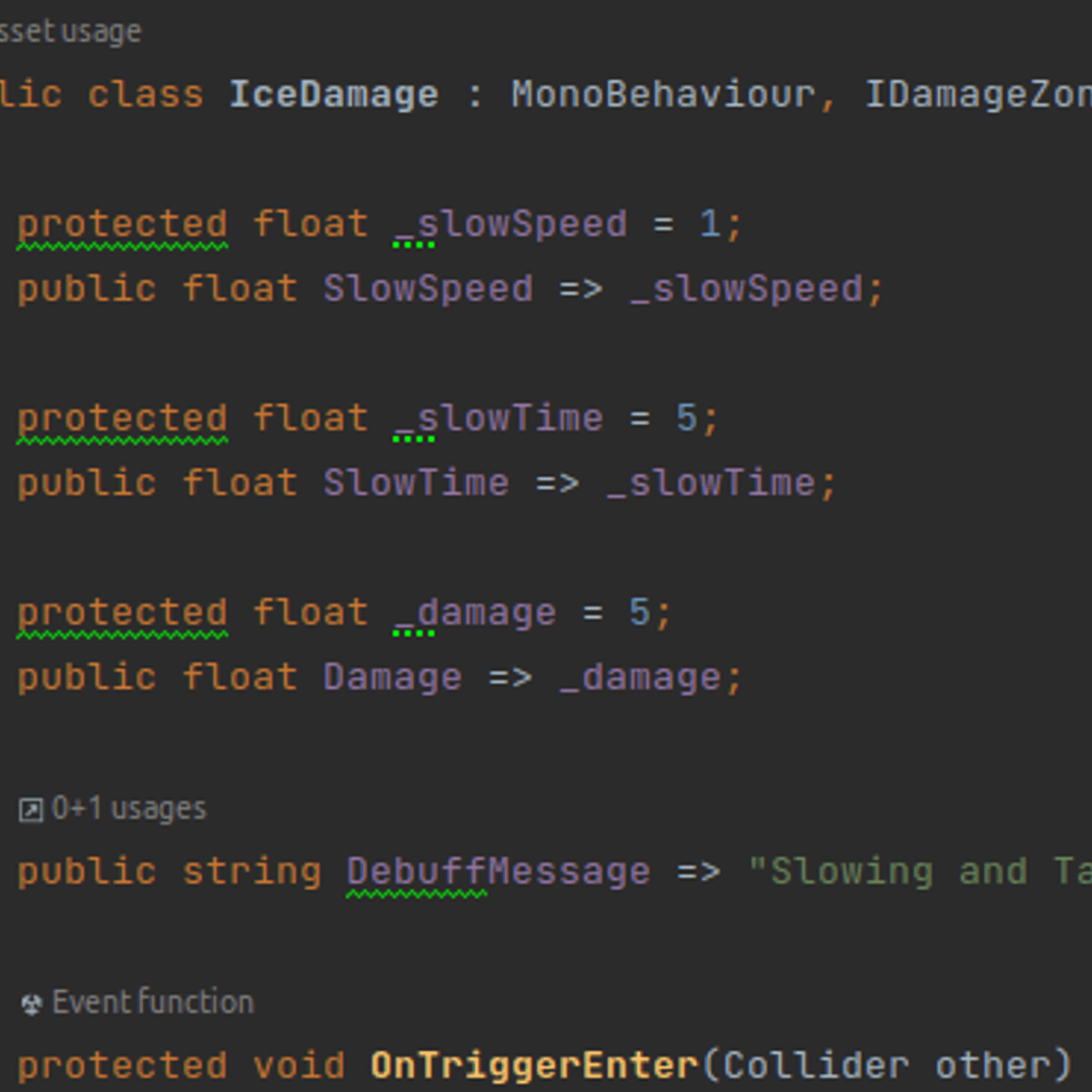
In the project, we will create some “typical” code that is fairly common in game-development, and then restructure it to become compliant with ISP. This project is part four of a five-part series on SOLID Programming principles, which are: – Single Responsibility – Open-Closed – Liskov’s Substitution – Interface Segregation (this guided project) – Dependency Inversion Each of these guided projects stands on its own, but for a full understanding of good coding practices, completing all five guided projects (in order) is recommended.
