

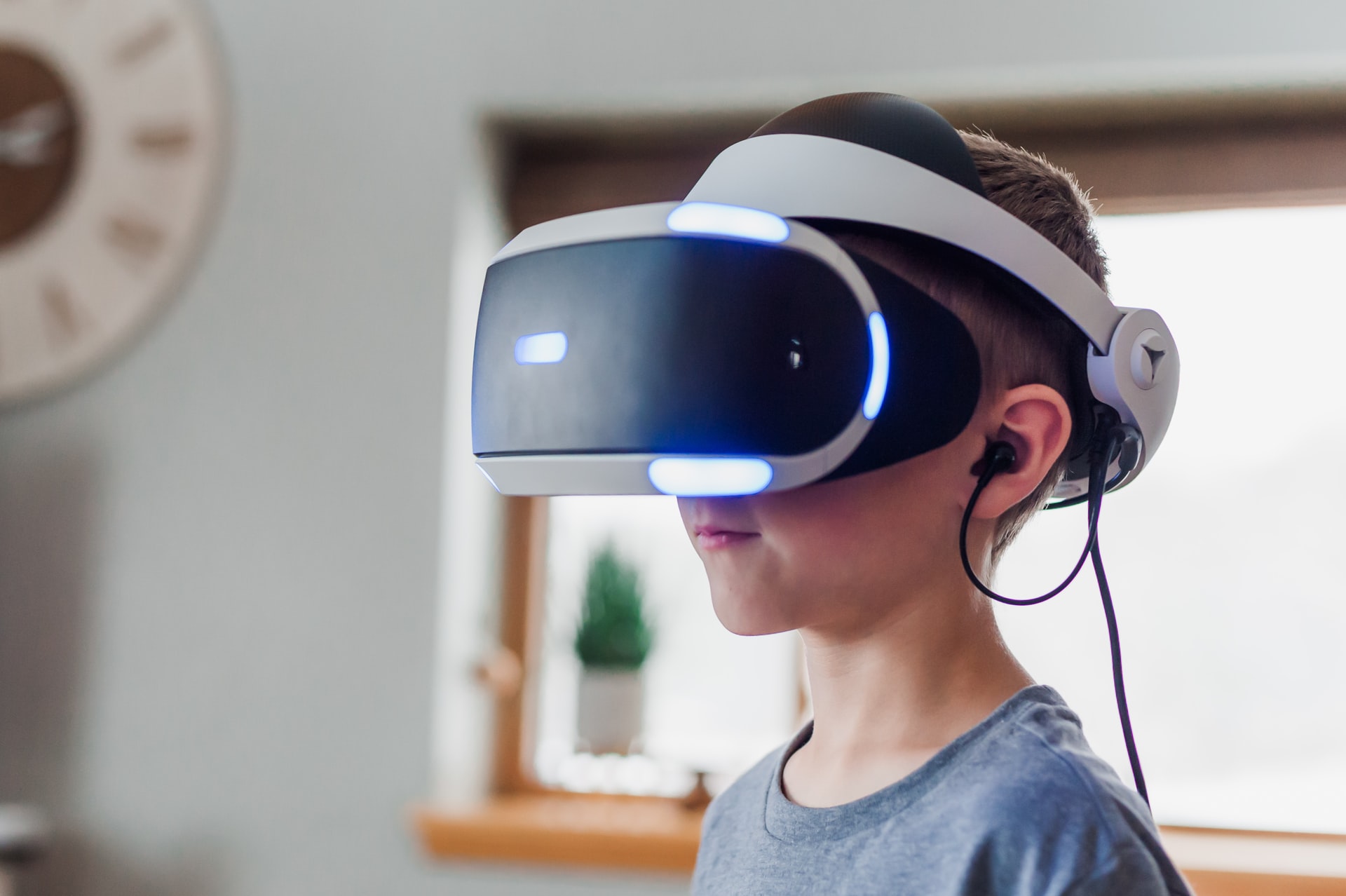
The uses of virtual reality (VR) continue to multiply, and there’s no end in sight to the innovation the technology inspires. It has surpassed the stage of being a fad and will only continue to grow.
VR can be used in essentially any industry, from automotive to real estate. Tourism has one of the fastest-growing demands for virtual adaptations, whether out of pure innovation or necessity. It was boosted by the pandemic, but virtual travel experiences continue to see demand due to an interest in online encounters.
Using VR for Travel
VR‘s best-known consumer use is likely gaming. Its versatility is not lost on other industry leaders, though. It’s predicted to be the fastest-growing content segment, and the momentum behind VR has and will propel it into more mainstream consumption.
Using VR in the travel industry isn’t necessarily new, but its expansion certainly is. The sector had to adjust to a new experiential format due to COVID-19 restrictions since in-person travel was no longer viable. VR was and continues to be an essential tool, providing opportunities to see the world from wherever the closest headset is.
How Is VR Used for Camping?
Camping probably seems like one of the most unplugged ways to vacation. VR does not undermine this but rather makes it easier for avid campers to get the best experience possible.
Virtual tours are an up-and-coming feature traditional campgrounds are implementing for consumers. They allow prospective campers to view all the details and amenities of various facilities. VR tours allow people to preview campgrounds before visiting them and make more informed decisions on where to stay.
Popular campsites exist all over the United States and they have different features to offer. VR tours allow camping enthusiasts to virtually experience the terrain, entertainment and other site options before making a reservation.
Combining Technology and Real-Life Experiences
One of the biggest criticisms of VR is that it can take away in-person interaction. Camping is an activity that almost always includes communication with other people. VR critics may view its use for experiences like camping as detrimental to the future of the experience and the human condition overall. Luckily, the intention of using VR for camping is to enhance and not replace it.
VR can be a great tool or source of entertainment for experiencing things that wouldn’t be possible without it, but it can also aid in optimizing things that exist outside of virtual reality. This is the main use of VR in the camping world. Virtual reality can provide insight into what campers are looking for and preview those features before they even exist.
Increasing Experiential Accessibility
For some, VR replacing offline experiences is not a downside but one of the greatest benefits. It’s one of the most useful technologies for those with disabilities that can’t safely travel to certain environments. Camping can include variables such as terrain, activities and access to resources that make it inaccessible to those with limitations.
VR still needs lots of work to be fully accessible, but it provides opportunities for some people to virtually experience campgrounds they otherwise wouldn’t be able to visit. That is something people from all walks of life can certainly look forward to.
The Future of Camping
The demand for virtual tourism continues to grow. VR won’t be able to replace all the nuances of traditional camping, but it can improve the process as a whole. Virtual reality can complement the irreplaceable outdoor experiences that come with camping, whether finding the perfect site or visiting somewhere previously inaccessible. The future of the camping experience is sure to expand as this technology continues to evolve.
