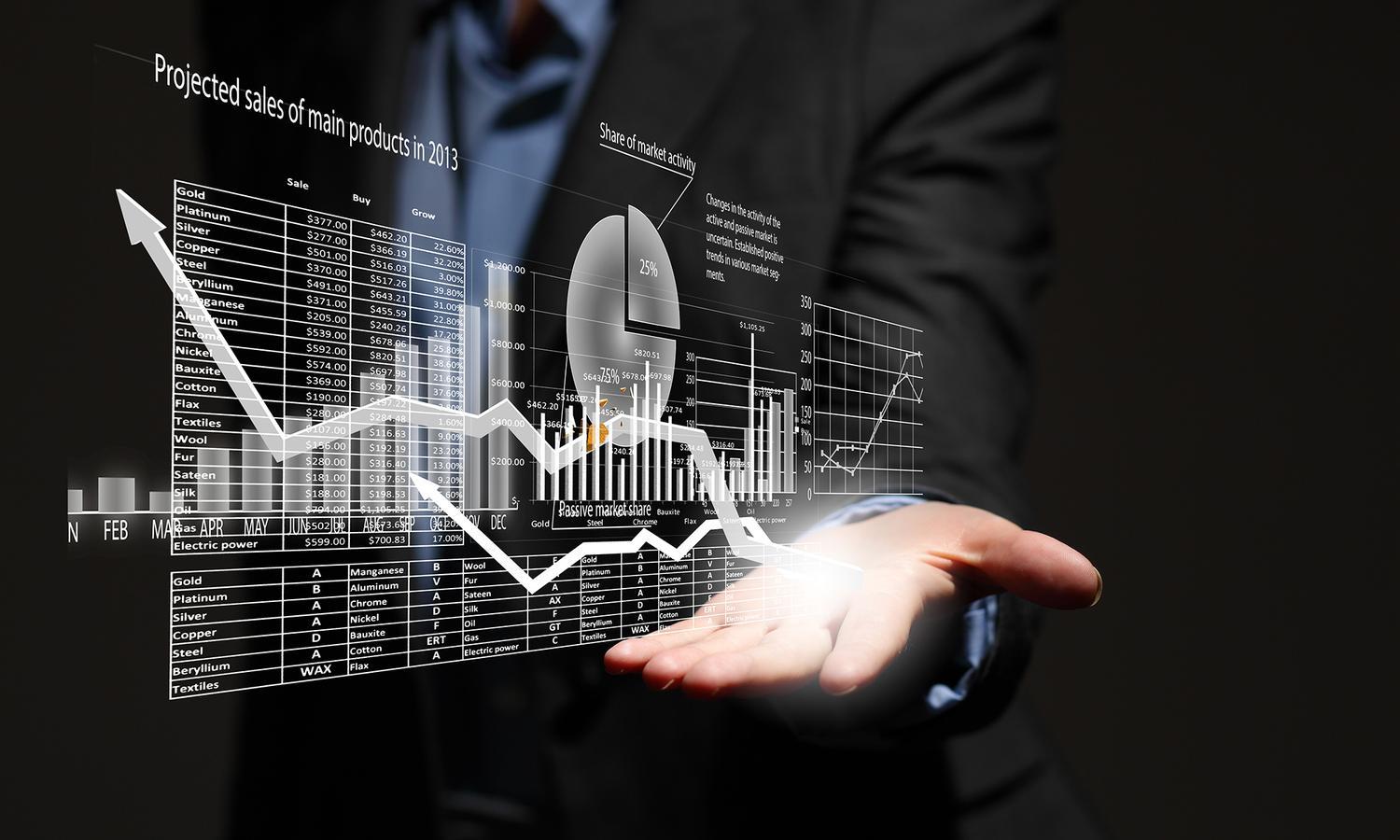
Big data is coming and more and more startups are getting involved in Big Data analysis and are developing products that can help companies and consumers to turn Big Data into information. There are several types of analysis that can be done and each with a different impact or result.
Recommender Systems
We know recommendations from large web shops such as Amazon.com who recommend other products that a user can buy when he or she is in the process of checkout. Most of the time these recommendations are based on what other people who bought the same product, bought as well. These recommendations are not personalized and might not be correct. With Big Data real-time recommendations are possible. These recommendations are extremely personalized and can be based upon your previous purchases, what you have been looking for in search engines, your social profile, your social posts etc. A recommender system using Big Data takes all these data into account and gives a recommendation in a split second. When a user receives a recommendation based on his actual needs, he is much more likely to buy the recommended product.
When websites start using a machine learning system for real-time recommendations, the recommendations will improve over time, as the system learns from unsuccessful recommendations.
Clustering and Segmentation
Clustering analysis and segmentations is a data driven approach to look for patterns within Big Data and to group similar data objects, behaviours or whatever can be found within the data. This goes much further than human created segments, which are mostly, based on easily identifiable traits such a location, age, gender etc.
Big data driven clustering and segmentation done by algorithms can find segments and patterns that would otherwise remained hidden. When using self-learning algorithms the segmentation is improved while doing the segmentation as the algorithm learns about the segmentation it creates itself. It can come up with clusters of consumers who are becoming a parent in a geographical location in a certain age group and with a certain type of job. The result can be used to drive very personalized and targets marketing efforts. Whatever can be found in the Big Data can be turned into a segment and this can help companies to better serve their customers.
Outlier Detection
Finding the outlier within Big Data and thereby identifying the unique exception can lead to discovering unexpected knowledge. Finding an outlier can be something like finding a needle in a haystack, but for algorithms it is less difficult. Such anomalies can have exceptional value when they are found. A good example is fraud detection or identifying criminal activities in online banking.
With machine learning and self-learning algorithms outlier detection can find correlations that are too vague for humans to find because of the huge amount of data necessary.
Predictive Analytics
Analysing current and historical Big Data can help to make predictions about future events. This is a huge difference from existing business intelligence, which normally only looks at what has happened using analytical tools but this says nothing about the future. Predictive analysis can help companies provide actionable intelligence based on that same data.
Predictive analysis is often used in the insurance industry to determine which policyholders will make claim and which not. But nowadays predictive analysis is used in many different industries. This type of analysis works better the more data is available as the algorithm can take more variables into account to make the prediction.
Similarity Search
With similarity search an algorithm tries to find an object that is most similar to the object of interest. The best know algorithm at work for similarity search is the app Shazam that can find a song in a database of million songs after listening to the song for just a few seconds.
In the past we have already done SQL queries to find components that match certain conditions such as find all cars within a certain age range from a certain brand. Whereas similarity searches can be more like find all cars like this one. As these algorithms use Big Data to find similarities there is a far better change of success and to find what you are looking for. Algorithms most of the time can also perform thousands of searches at the same time in a split second, thereby being able to localize in an instant what you are looking for.