

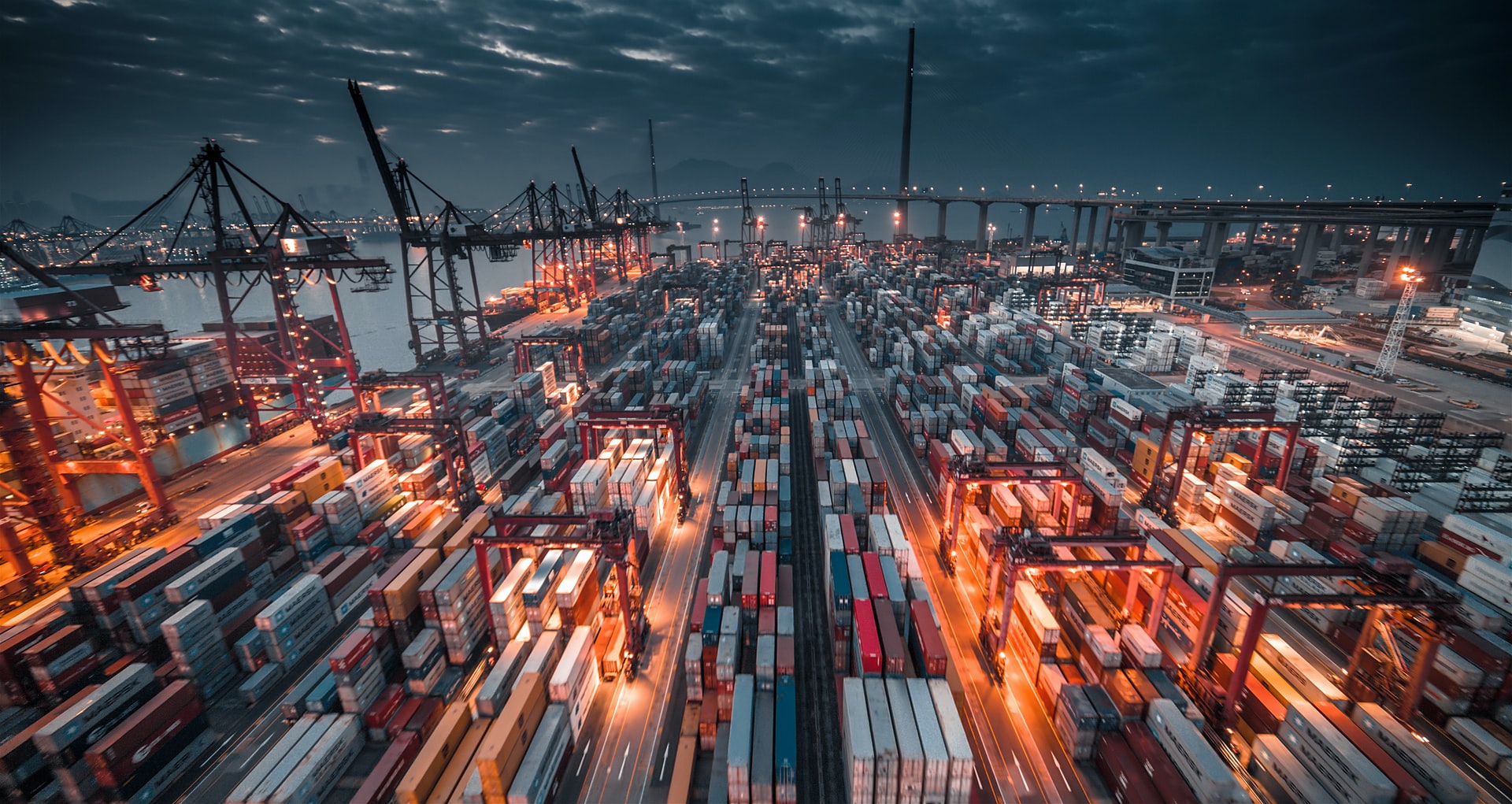
Supply chain disruptions, shortages and rising consumer expectations have made logistics harder to manage. Businesses that want to keep their shipping operations effective will need to adapt.
Automation may be the perfect solution for streamlining logistics in an increasingly uncertain market. In fact, automated shipping solutions may soon be the norm throughout the industry. Heres what to expect from this technology and the impact it will likely have worldwide.
Why Shipping Automation Is so Important
Most businesses are currently facing significant shipping challenges. At the same time, a tight hiring market means it isnt always possible to scale up a companys logistics workforce in response to a greater need for labor.
Automation can be an invaluable tool when greater productivity is necessary but extensive hiring isnt a practical option.
There are other benefits to adopting automated solutions in logistics, as well. This work can be unsafe. Employees may face risks like heavy equipment, dangerous products or even repetitive movements that can lead to musculoskeletal disorders (MSDs) over a long enough period.
These threats will likely exist regardless of the working environment, meaning cargo ship crews, warehouse employees and drivers may all be at risk.
Safety and employee comfort are becoming bigger priorities for logistics companies. Many equipment manufacturers offer machines that make worker comfort and ergonomics key design principles, and safety automation tools are seeing widespread adoption.
Accidents and injuries can be extremely expensive for businesses and employees. Automation can help make processes safer, mitigating risks and the potential for injuries like MSDs. It could also result in fewer costly workers compensation claims.
Many dangerous tasks that are a good candidate for automation are also dull or dirty. They can make an employee less engaged or satisfied at work reducing their morale and encouraging them to consider searching for a new job. Automating these tedious or unpleasant tasks can help improve worker productivity and engagement.
How Businesses May Automate Shipping in the Future
Process automation at warehouses or on shipping vessels, combined with software robotic process automation at the corporate level, can help businesses streamline their shipping processes and improve analysis. This allows for more effective decision-making.
However, automation may become even more sophisticated in the future. For example, self-driving trucks and cargo ships may soon make it easier and safer to move goods around the world. These vehicles use artificial intelligence and evolving robotics technology to pilot themselves, sometimes with almost no human input.
These new shipping technologies are likely to create jobs as they disrupt the industry. A team of Korean researchers used mathematical models to determine how autonomous cargo ships may impact shipping and logistics. They found that while the total number of seafarer jobs may decrease, the autonomous ships would likely increase the number of shore-based logistics positions.
Other advances may include new warehouse robotics, like those being trialed now by retail giant Amazon. The company had deployed self-piloting robots in several of its warehouses. These robots are used to support workers in tasks like picking and packing.
Warehouses worldwide may expand how these robots are used as the technology that allows them to function independently becomes more sophisticated. These machines could be deployed to support work in quality assurance or the transportation of products between staging areas.
Shipping Automation May Transform Logistics
Ongoing challenges in shipping and logistics have forced businesses of all kinds to adapt. Automation may be an invaluable tool for improving productivity and efficiency amid supply chain disruptions.
Automation tools that help businesses and advanced technology like self-driving cargo ships may soon transform the logistics industry, helping ensure the flow of goods through the global supply chain.
