


Artificial intelligence was already playing a major role before the pandemic struck. Machine learning was impacting how people carried out business in almost every field.
When the COVID-19 pandemic struck, some might have thought that artificial intelligence and machine learning were going to lose their momentum. Just the opposite is the case. The pandemic has made it all too clear that machine learning and artificial intelligence need to continue to gain momentum, especially if there are going to be other pandemics in the future.
Artificial intelligence will continue to affect the technologies that change how we live and how we work. It is already impacting several top loud accounting and invoicing tools, software designed to monitor how employees spend their time working, medical technology, cloud invoicing logistics, and so much more. We can only expect that in 2021 we are going to see artificial intelligence and machine learning impact our lives even more. Here are some things we might expect.
1. Increased Surveillance
Facial recognition technology has grown more powerful thanks to computer vision algorithms. Using computers to identify specific individuals as opposed to looking for patterns among groups of people is controversial. However, people are becoming more tolerant of facial recognition and surveillance tactics that in times past would have felt Draconian.
The pandemic has opened people up to the idea that technology, and especially surveillance, can monitor individuals who are suspected of having a disease or who have been in contact with sick individuals. Therefore, it is safe to expect that in 2021 there is going to be an increase in AI-driven surveillance, even surveillance used by the government and law enforcement.
It would not be surprising to see drones that have the capability of detecting individuals in a crowd that have symptoms of COVID-19 or whatever the next pandemic brings. This information could be used to alert authorities and possibly quell the spread of the disease. Similar technology may be used in airports and at land borders.
2. Using AI to Track Customer Behavior
The year 2020 saw an enormous increase in the number of people purchasing products online. Even people who were reluctant to make any purchases were forced to adapt to new circumstances. In fact, Amazon saw a 40 perfect increase in business when compared to the same time the previous year.
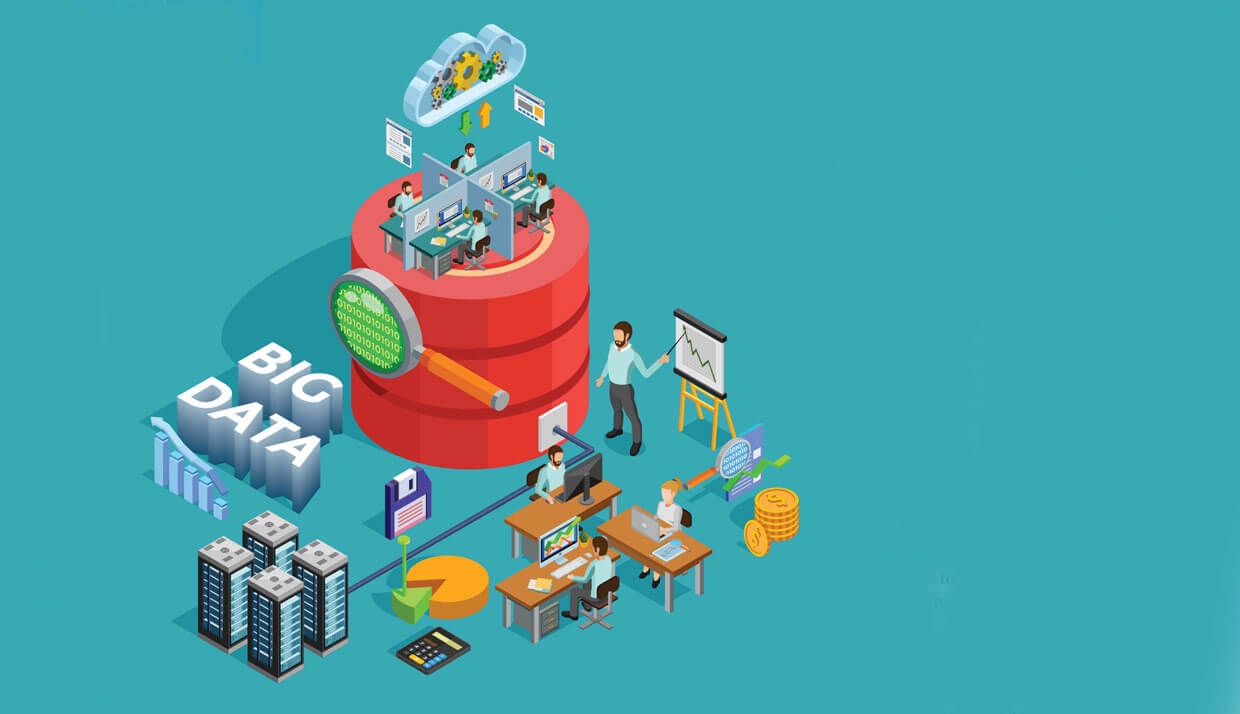
In 2021, we can expect that brands wanting to add value for their customer will use predictive analytic tools. AI will be used to give marketers a new perspective. It will allow marketers to understand who high-value customers are and what motivates them to buy. Machine learning can answer these questions by identifying specific patterns in customer behavior and then using this information to increase the probability that customers will buy by increasing their loyalty to the brand.
As more brands adopt artificial intelligence, customers are going to expect every brand they interact with to know them and predict their behavior as they shop. People want to have a seamless experience. This includes having saved histories and preferences. Data analytics solutions and machine learning will help retailers get a firm grasp on each customer’s profile.
AI can provide customers with useful ads. People hate advertising when it does not appeal to them. However, they are thankful for advertising that provides them with something that they truly need when they truly need it. AI will continually be used in 2021 to help brands adapt to the needs of their customers and create products that their customers will truly use.
3. Boost Conversation
Conversational AI is becoming a fundamental piece of business across industries. We are seeing this with the chatbots used by customer service and live chat software, marketing, and sales departments. They have gone from being an oddity to being a requirement for leading organizations. Still, a chatbot will not perform as well as a human. However, AI technology is being used to help chatbots grasp the complexity of language and understand the context of past conversations to better answer the questions posed by people seeking help.
AI is being used to help chatbots understand the emotion being transmitted and to respond in a way that is empathetic. The end goal is for chatbots to reach the point where they could be used in medical fields effectively and even be used to provide empathetic responses to individuals looking for psychotherapy help.
4. Cybersecurity Mesh
Cybersecurity mesh technology makes it possible for people to access a digital asset in a secure manner regardless of where the asset is or where the individual is located. This is going to require security personnel to reevaluate how they think about security. Currently, the idea is that the goal is to keep the inside of the business or organization secure. Things coming from outside the organization are deemed safe if they can pass through the security mechanism inside the organization.
However, this way of seeing security isn’t sustainable anymore. This is because, especially with remote working, there are many digital assets outside of the security umbrella of your organization. Most organizations are storing information in the cloud. What artificial intelligence is going to allow is for a security perimeter to be created around the individual with enforcement being handled via the cloud through a cloud-based access security broker. This idea of cybersecurity mesh is going to gain popularity in 2021 and will probably have its greatest impact by 2025.

Preparing for the Future of AI
COVID-19 has permanently changed the world. Technology is reflecting that change. Artificial intelligence has become more important in 2020 than was expected, and there is no reason to think that the same will not be true for 2021. Society will survive the pandemic. But it would be foolhardy to think that life will go back to how things were before the pandemic.
For this reason, it’s important that organizations prepare themselves to adapt to AI and machine learning technologies so that when they emerge from the pandemic, their trajectory aligns with the trajectory of their customers.
