



As marketers, we understand that the days of Spray and Pray messaging and mass campaign blasts are well behind us. The focus is all about the customer their needs, their preferences, and their preferred channels. Relying on gut instinct to reach our customers and prospects is a thing of the past. Data-driven marketing is the new currency that will enable marketers to reach consumers on more personal levels.
Providing these personalized experiences begins with understanding the customers path to purchase. The customer journey is more critical to business success than ever before. According to the 2015 State of Marketing report by Salesforce.com, 86 percent of senior-level marketers agree that it is critical to create a cohesive customer journey across all touch points and channels.
What Solutions are Marketers using to Create this Personalized Journey?
The top tools marketers cited as being the most crucial are mobile apps, marketing analytics, and customer relationship management (CRM). 68% have integrated mobile into their marketing strategy. Thats up from 48% last year. Marketers also plan to invest more in social marketing 64% view social as critical as compared to 39% in 2014. Email also rounds up the list as a core strategy for marketers. In fact, 92% report that email produces a strong ROI.
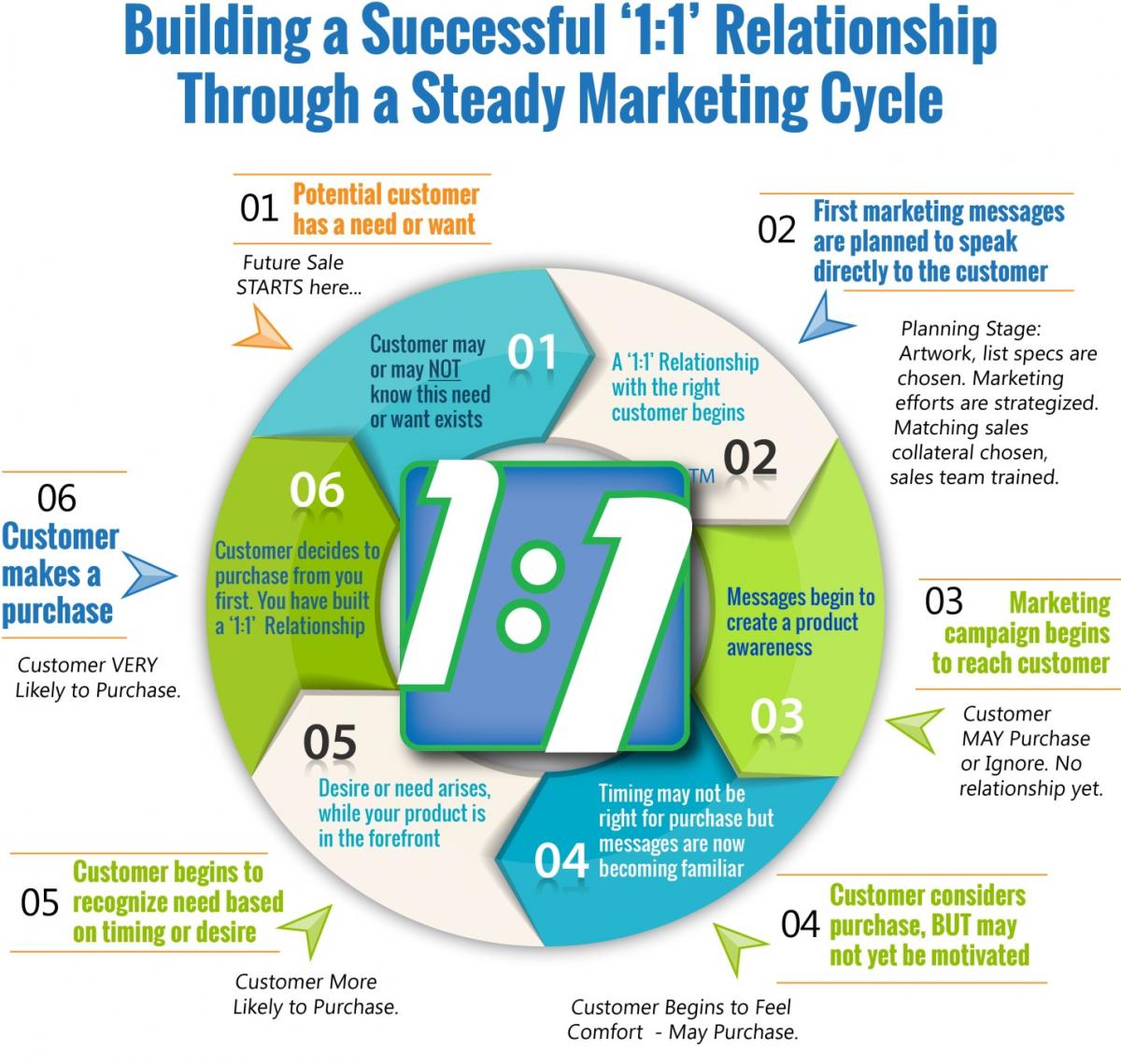

Here is a basic version of how many touch points it takes before a customer may finally decide to purchase. At any point along the way, consumers may change their mind about purchasing the product, may postpone a purchase, or go to a competitors site. As your customers and prospects consider purchasing from you, personalized messaging and offers goes a long way in keeping your customers connected to your brand on their path to purchase.
Understanding Your Customers through Analytics and CRM tools
The key to building 1:1 relationships is in understanding why your customers make certain decisions and how they prefer to engage with your brand. Would your customer rather receive an email message or a text message about an upcoming sale? Which customer segments would respond better to certain offers or even what times and which frequency should those offers be sent?
Much of this data is already sitting at your fingertips. Its not necessarily about getting more data, its about analyzing the right data within your database. By using analytics to ask the right questions, you can:
- Understand your customers needs, preferences, and what will motivate them to purchase.
- Learn how to improve your customer experiences across every touch point with your company.
- Use personalization to connect with consumers based on anything from first name and basic demographics to lifestyle, hobbies, and interests.
With new digital technologies and social media platforms available, companies are getting more aggressive with their 1:1 strategies. For example, by linking CRM data with on-line social identities, more personalized profiles can be developed to determine purchase intent. By onboarding off-line data into the digital world, marketers can deploy very targeted digital ads and marketing campaigns.
The idea of 1:1 marketing is not a new concept, but more marketers are ramping up their investments in technologies to help them boost their personalized marketing strategies. The massive shift is on be sure you are armed with the right insights, at the right time, to deliver truly personalized messages and experiences that will convert prospects into customers, and customers into loyal fans.