


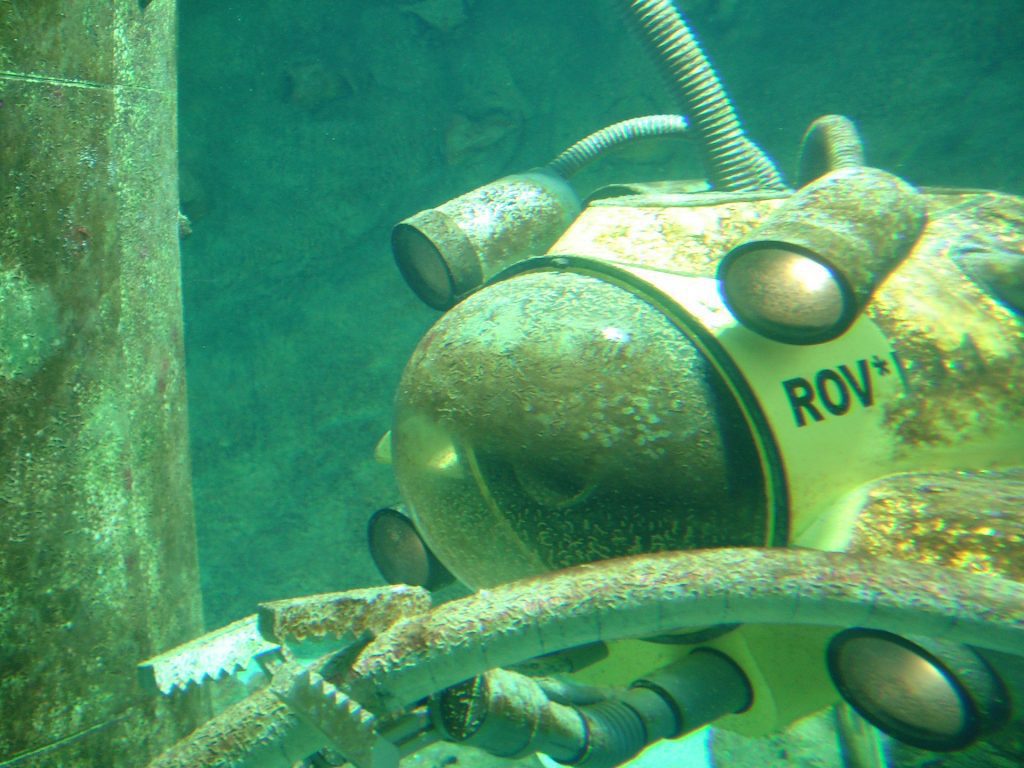
A new breed of robots is keeping oceans, tanks and boats clean by going underwater. These submersibles can provide a deep clean without any need for human divers or dry surfaces. This is revolutionary for several industries. These bots are helping the environment, protecting people and changing the future of water.
Solving the Problem of Biofouling
Biofouling can be a serious issue in the shipping, water treatment and management industries. This occurs when microorganisms, algae, plants and even small animals accumulate on underwater surfaces. A species of shellfish might colonize the hull of an ocean liner. Similarly, algae might build up inside the storage tanks of a wastewater management plant.
Biofouling can cause serious problems, both environmentally and practically. These plants and animals are especially difficult to clean since they build up on surfaces that are always underwater. These areas are a hassle to clean and can be dangerous and expensive to sanitize.
Submersible robots solve this problem. They can operate completely underwater, either autonomously or by remote control. They are easier to use, so submerged surfaces can be cleaned more often, preventing the heavy buildup of biological debris.
Submersible Robots in Action
There are a few kinds of submersible robots keeping the waters clean. For example, a robot has been developed that can clean water storage tanks. These tanks would have to be fully drained to be cleaned by a human.
Submersible robots can clean the tank at any time by simply inserting themselves through a port in the side of the tank. They can then be remotely controlled for efficient cleaning. This ensures that water supplies stay free of contaminants while saving treatment facilities time and money.
Similarly, another submersible robot on the market can clean ships’ hulls, preventing the buildup of ocean life. A remote operator uses cameras to scan the vessel for signs of biofouling. The robot roves over the hull’s surface with the help of magnets, brushing away plant and animal buildup. This saves shipping companies extensive time and money since the boat would otherwise have to be put in a dry dock to be cleaned.
These robots are just the tip of the iceberg. More are being developed specifically to help clean and protect waterways. The U.K. government is working on a pipe cleaning robot system that will help maintain pipelines autonomously. Drones are used to remotely survey and study the oceans without disrupting marine life. There are even robots diving under the waves to collect plastic garbage.
Robots like these can go where humans can’t. Whether they are protecting waterways, cleaning them or simply observing, they are crucial to the future of water.
The Environmental Impact of Biofouling
Biofouling is far more than an inconvenience for water-related industries. It can have severe environmental consequences, which is why bringing in robots to prevent biofouling is so important.
Biofouling can increase greenhouse gas emissions by causing underwater systems to operate less efficiently, resulting in higher fuel consumption. Pipes and ship hulls are designed to be streamlined for minimal water resistance. Biofouling creates a rough, uneven layer over this smooth surface, drastically increasing friction. This results in a major reduction in energy efficiency.
Even if efficiency was not a concern, biofouling contaminates the water that comes into contact with it. This poses a significant health risk if it’s going to kitchens, bathrooms and consumer water products.
Biofouling is disruptive to underwater environments, too. The species that cling onto ships may become invasive species in the other habitats the vessel travels to and can topple whole ecosystems. The problem is so bad that some countries, such as Australia, have implemented strict regulations about managing biofouling. Ships may not even be allowed to dock if they haven’t been decontaminated beforehand.
Safer, Cleaner Waters
Submersible robots play a critical role in keeping the world’s water supplies and waterways clean. Robots can stop biofouling before it can damage ships, contaminate water supplies or harm ecosystems. More submersibles are likely to be introduced as more people, companies and nations strive to protect the environment. Submersible robots will be key to making sure water is clean and safe for everyone in the future.