


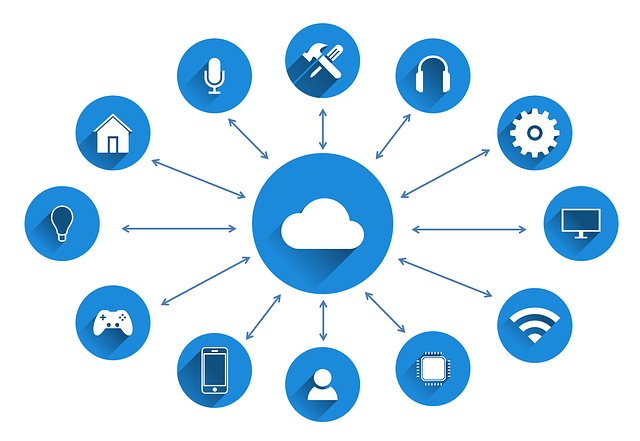
With the advent and relative global adoption of the Internet of Things (IoT), it was only a matter of time before technology would impact other areas of our personal lives. Enter IoB, also known as the “Internet of Behaviors.”
IoB is still a relatively new concept, but it’s already clear that it will significantly impact how we live and work. This article will discuss what exactly IoB is, how it works, and the benefits and potential obstacles involved in its use.
What is IoB?
The IoB, also known asthe Internet of Behaviors, is a term used to describe the growing trend of interconnected devices that collect and share data about our individual behaviors. IoB encompasses everything from smart home technology to health and fitness trackers to intelligent vehicles. In other words, anything that can monitor and record our behavior is part of IoB.
How Does Internet of Behaviors Work?
IoB devices use a variety of sensors to collect data about our behavior. This data can include anything from the number of steps we take in a day to the temperature of our home. IoB devices then transmit this data to a central server, which is analyzed and used to create personalized profiles. These profiles can then be used by businesses and other organizations to deliver targeted content and services.
Internet of Behaviors also allows devices to communicate with each other. This works by allowing IoB devices to share data,enabling the mapping of preferences and behaviors, allowing one IoB device to control another. For example, a smart thermostat could be programmed to raise the temperature when it detects that you’re home or lower the temperature when you go to bed.
How is IoB Important in Personal and Business Lives?
IoB is important in both personal and business lives. In personal applications, IoB can be used to improve our quality of life. For example, IoB devices can be used to track our health and fitness, monitor our sleep patterns, and even help us save money on energy costs. IoB can also be used to improve safety and security. For instance, a smart home system could be used to detect a fire or smoke alarm and send an emergency notification to your smartphone.
In business life, IoB can be used to improve efficiency and productivity. For example, IoB devices can track employee attendance or monitor project progress. IoB can also be used to strengthen specific departments like customer service or marketing. IoB can track customer interactions or analyze website traffic in these instances, while marketing can use IoB data to determine which marketing campaigns are most effective over time.
What Are Some Real-World Applications of IoB?
One of the most exciting aspects of IoB is its vast potential for real-world applications. As more and more devices become interconnected, we will be able to harness their data in ways that improve our lives. For example:
- A city could use IoB to monitor traffic flow and adjust signal timing accordingly. This would help reduce congestion and make getting around town easier for everyone.
- Hospitals could use IoB to track patients’ vital signs and send alerts if there are any changes in condition. This will allow doctors to intervene quickly if a patient’s health starts to decline.
- Retailers could use IoB to gather information about customer behavior. This data could then be used to create targeted marketing campaigns and increase sales.
- Farmers could use IoB to monitor crops and soil conditions. This would help them make better decisions about planting, watering, and fertilizing their fields.
The possibilities that IoB opens up are endless! With IoB, we can finally start to see a truly connected world where devices work together seamlessly to make our lives easier.
What Are the Potential Downsides of IoB?
While IoB offers a wealth of potential benefits, there are also some potential downsides to consider. For example, privacy and security concerns may arise as IoB becomes more widely used. Hackers could potentially access sensitive data if proper precautions are not taken, and companies could face more data compliance issues over time.
In some instances, IoB could also harm certain job markets. For example, increased automation of tasks that currently require human interaction could result in job losses and affect wages.
Another major downside of the rise of IoB has to do with everyone’s right to privacy. As devices get smarter and more interconnected, they will be able to track our every move and collect data about our personal preferences. This could lead to a loss of privacy for individuals and raise concerns about who has access to this information.
What Does the Future Hold for IoB?
We’re in the midst of a worldwide shiftaway from fossil fuels and towards renewable energy. Smart cities are more sustainable, integrated parts of our day-to-day existence. The IoB will be essential in collecting data to adapt and improve aspects of smart cities and other technology that provide usa more sustainable future as an extension of theIoT and Big Data. IoB is not just a passing trend- it’s the future of technology.
The future of IoB is both exciting and uncertain. IoB has the potential to change the world as we know it, but there are still many questions about how it will be implemented and what effects it will have.
One thing is for sure: IoB is here to stay. As more and more devices become interconnected, we will see an ever-growing trend towards IoB-enabled solutions. The future of IoB is wide open and full of potential. We can only wait to see what amazing things it will bring over the next few years.