


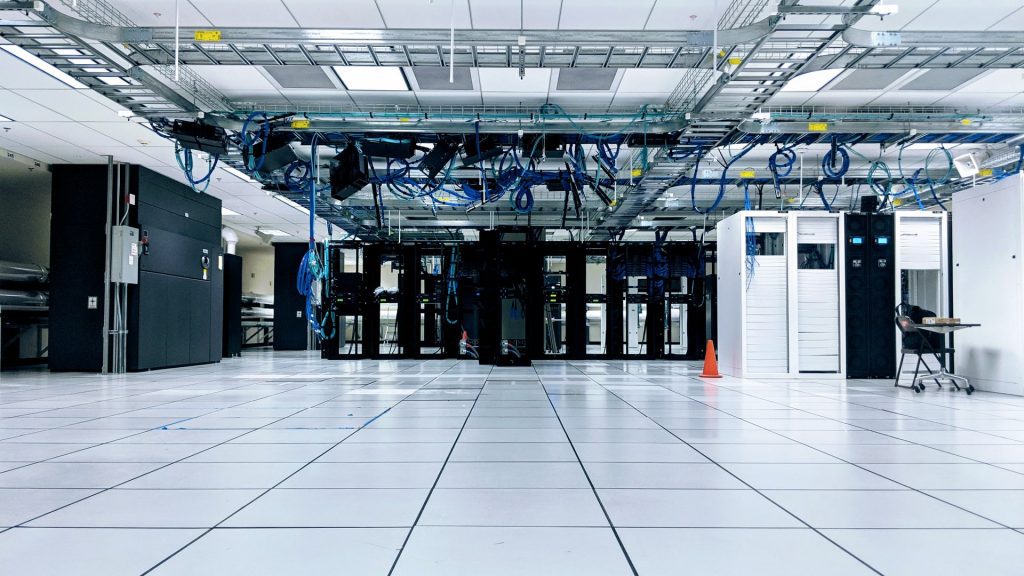
The days of physical documentation are almost gone. Companies everywhere have fully embraced digital transformation, and as this trend continues, even small businesses quickly run into digital storage limits. As their data grows, they may need to go beyond simple device storage by investing in server room equipment.
While cloud adoption is soaring, many businesses prefer on-premises storage. Having a dedicated server room gives IT full control over data placement and governance and can mitigate some security concerns. Some businesses may not know how to approach server room security and planning, though.
With that in mind, here’s how small businesses can set up and protect their server rooms.
Determine Your Needs
The first step in planning a server room is determining what the company‘s needs and resources are. That includes both the hardware needed for their storage demands and the physical space needed to host that hardware. Understanding and documenting these needs first will inform the rest of the process.
When determining the size of the server room, it’s important to leave room for growth. As companies grow, they’ll need more servers, requiring additional power cables and cooling systems as well. There should be enough space to keep server room equipment away from exterior walls, too, for security purposes.
The room’s materials matter, too. Polished concrete is ideal for flooring, as it requires minimal maintenance and doesn’t accumulate dust as easily as softer materials. Soundproofing isn’t necessary but is welcome to keep noise from distracting nearby employees.
Ensure Proper Cooling
One of the most crucial considerations for any server room is cooling. Servers can overheat easily, leading to malfunctioning and data loss, so server rooms must remain constantly cool. While larger data centers use high-tech solutions like liquid cooling systems, reliable air conditioning units are sufficient for small businesses.
The server room’s air conditioning should be separate from the rest of the building to ensure consistently cool temperatures. These cooling systems can consume a lot of energy, but smart thermostats can help by regulating them, so they only use as much electricity as they need.
Keeping space between servers and using well-ventilated racks can further help maintain optimum temperatures.
Assemble Racks and Power Systems
After determining the server room’s needs and establishing a cooling system, it’s time to start assembly. Before installing the actual servers, teams should assemble all of the auxiliary server room equipment. The primary considerations here are server racks and power distribution systems.
Racks come in standard sizes based on rack units (RU’s or U’s), which equal 1.75 inches in height. What size racks a business needs depends on its equipment’s size and available room, but it’s best to plan for more space than necessary. Leaving extra space will help keep servers cool and make cable management easier.
Online toolkits and professional electricians can help determine how much power a server room needs. Ideally, businesses will be able to run cables under the floor to save space. Teams should also use plenty of cable ties to keep everything organized and in place.
Install the Servers
Once the racks and power systems are ready, businesses can install the servers themselves. While it may seem like an obvious step, it’s crucial to read the equipment manufacturer’s recommendations before starting. Different servers will have varying installation needs, so going by their manufacturer’s guidelines is a must.
As workers install servers and hook up cables, they should label everything, keeping track of equipment names, IP addresses, and so on. Labeling will prevent confusion in future expansions, problem-solving, or new employee onboarding. Keeping an eye on cable management is also critical at this step.
Restrict Access
At this point in the process, the data center is technically ready for operation. However, companies should take a few more steps in the interest of server room security. One of the most important of these steps is to restrict employee access to the server room.
Most employees don’t need to go to the server room for their work, so access should be highly limited. Only a select few IT workers should have access, and there should be a verification system to enforce that. Biometric authentication or a keycard system can help restrict access and create a log of who was in the room at any given time.
Access controls apply to the servers themselves, too. Racks should have locked cages around them to keep unauthorized hands away and prevent people from moving servers, which can damage them.
Establish Monitoring Systems
Another crucial step in server room security is monitoring, which applies to both physical and digital systems. Many software solutions are available today that can monitor for unusual network activity. Installing these programs will help IT staff keep a close eye on any developing situations involving critical systems.
Similarly, server rooms should have security cameras to monitor who enters and exits the area. These will complement a keycard system, catching anyone who uses someone else’s keycard to enter the room. If the shape or design of the room creates camera blind spots, companies can install motion detectors and alarms as well.
Keep It Clean
Cleaning is a final and easily overlookable aspect of managing a server room. Dust can affect server performance, potentially slowing critical systems, so server room hygiene is essential. Businesses should create a regular cleaning schedule to prevent these incidents.
In the interest of server room security, only scheduled and authorized cleaning staff should be allowed in to clean. These employees can have distinct keycards that let them into the room, but not behind server cages. Alternatively, companies may opt for having authorized IT staff open doors for cleaning staff, so they can’t access it beyond scheduled cleaning times.
Server Room Equipment Deserves Your Utmost Attention
Setting up and securing a server room is no small task, but it’s not impossible, either. If small businesses follow these steps, they can create safe, well-functioning server rooms to host their data. Without proper preparation, companies could put critical data at risk, but they can secure it with thorough planning.