


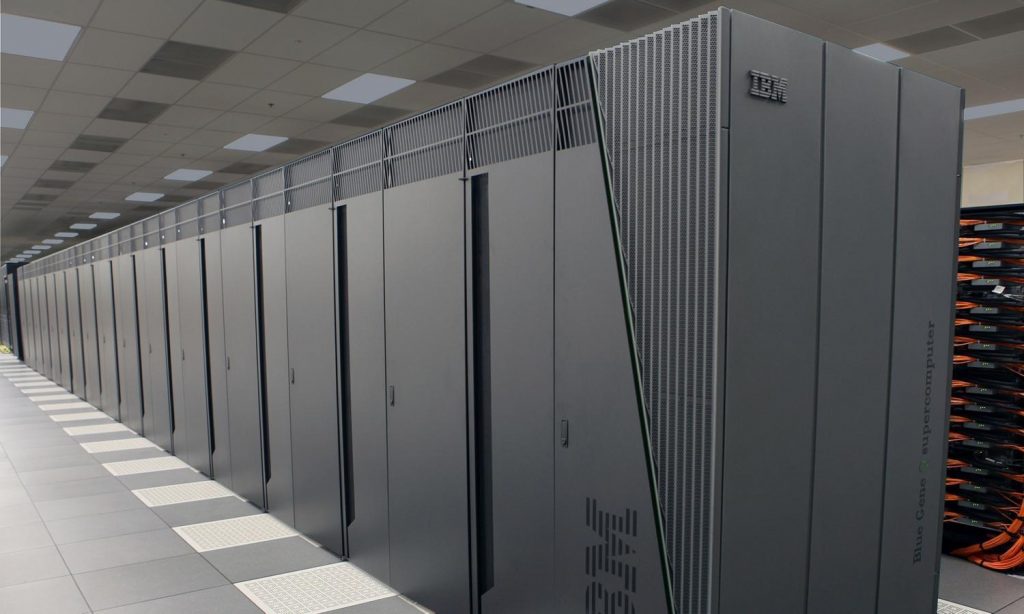
A poorly constructed data center is a major security and operations threat in today’s environment, yet many businesses lack a fundamental understanding of what goes into a secure system. This raises two questions why do businesses lack this knowledge and what constitutes best practices in the field? If field leaders can transmit this information and standardize material practices, everyone would benefit from safer data.
The Knowledge Gap
The main reason that businesses build sub-par data centers is that they rely on contractors to do the work or they rely on prefabricated centers. That means that, even if the user-side has done some research on the project, they don’t need to have a complete grasp on the construction side. We leave these jobs to specialists for a reason.
The downside to relying on professionals is that it’s easy to be taken advantage of through cost-cutting measures or in an attempt to speed up the data center deployment process. Companies should avoiding selecting contractors based on the metaphorical race to the finish, even if they think it will provide some competitive edge.
Withstanding The Storm
Companies know that hackers are a major threat to data centers, but what many don’t account for are the long-term effects of climate change. Places that were once secure for data-heavy operations are not under serious threat from natural disasters, and material choices need to account for this.
What materials are best for data center construction, taking climate change into account? Bud Industries’ sturdy electrical boxes come in different materials, including a waterproof plastic and fiberglass casing suitable to extreme weather conditions but whatever material you choose, it’s important to emphasize data redundancy.
Data redundancy spreads information across different regions, preventing a single weather event from compromising the system. No responsible company will house their data in a single location not if they’re worried about losing it. Redundancy, along with extensive testing, is key to a stable data center.
Rethink Your Software
Finally, when developing a data center, companies should look toward innovative software architecture for improved performance and this is where they really excel.
One of the best, most flexible software forms for contemporary data systems is known as hexagonal architecture or sometimes as ports and adapters architecture. What makes this system so useful is that it’s easy to test, can be transformed by exchanging the adapters, and because its easy to maintain. For businesses concerned about system failure or lag, this can make a serious difference in long-term performance.
If companies pair hexagonal architecture with the scalability of the cloud as enabled by modern data centers it’s possible to virtually eliminate hardware obsolescence while also increasing security. Cloud software is already used to scale systems across industries, but when it comes to big data and data center security, it can’t be beat.
Data center development, on the largest scale, relies on quality materials and intelligent engineering. Too often, though, these systems are vulnerable to poor material choices and insufficient testing. The adoption of appropriate, field-wide best practices would improve data security for end users and boost consumer trust. In light of recent breaches and cases of data loss, it’s undeniably time for change.