


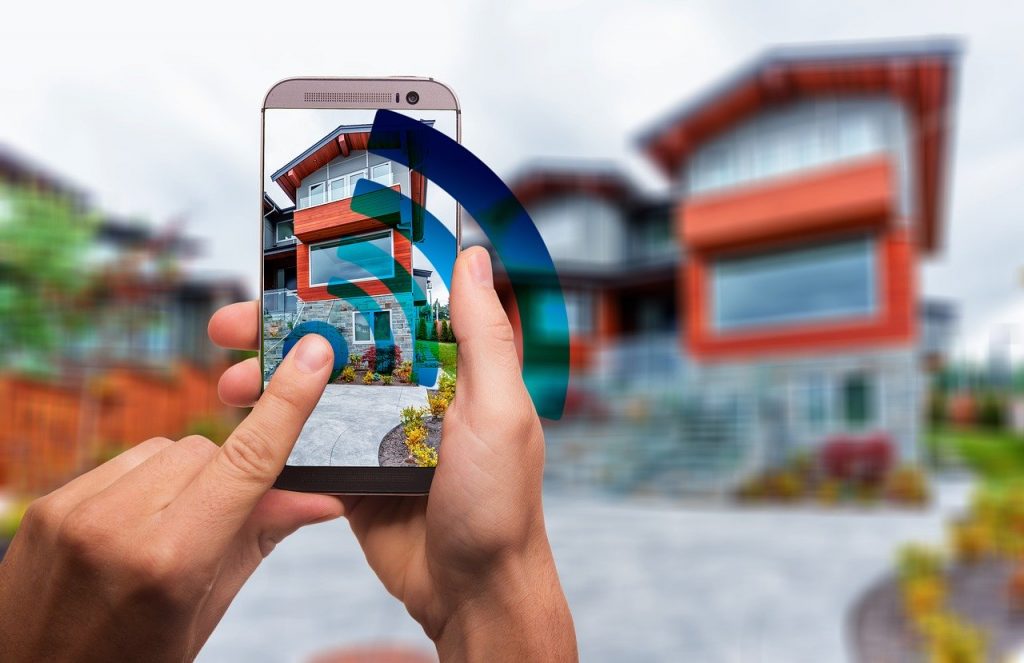
The smart home market is rapidly gaining momentum. People embrace possibilities like using thermostats to manage energy usage, installing locks to keep homes safer or investing in lights they can control with voice commands. It’s easy to see why those gadgets appeal to people.
Some consumers have privacy-related concerns, however. Are those warranted, and how can people safeguard their personal information while using the latest, greatest smart home tech?
Learn What Smart Home Brands Collect and Why
Many smart home brands have guides or privacy policies that spell out what kind of data they get from gadgets and how they use it. For example, Google says it takes Google Assistant data from smart home interactions to improve future experiences through personalization.
Companies also commonly provide steps people can go through to delete the information a company has about them. It may make a person feel more comfortable if an enterprise only has a month’s worth of data stored about their household compared to an entire year.
Be aware, however, that a study confirmed device makers pass information to third parties. Researchers confirmed that entities outside the brand got information about what devices people use, plus when and where they do. They could not verify what the recipients did with the data after receiving it, though, because encryption prevented them from learning that.
People can stay safer and more aware of smart home safety by reading the fine print about a company’s data collection procedures and limiting the amount of information they provide. For example, they could restrict the permissions granted to a smart home app and only give it the ones required for basic functionality.
Use the Security Features Built Into Smart Home Products
One reason households are so eager to use smart home products is that the offerings have features to help people feel safer. They can monitor their homes from a distance, even if they’re at work or away on a trip. That perk is especially useful when service providers visit the premises.
If you have shrubs and bushes near your home’s foundation, keeping them trimmed back 2-3 feet can help keep termites at bay. It may still be necessary to get professional help, however. Smart home technology makes it easier to get the service you need without disrupting your schedule. Imagine a setup where a camera shows you precisely when the company representatives arrive.
Some pest management companies note that scheduling service is the top challenge they face due to people’s various obligations. However, you could tweak your smart home system so professional gets a dedicated code to let them into the house when they arrive.
Taking the time to learn about how your smart home gadgets could increase security is essential, but not the extent of what a proactive person should do. For example, if someone has a housemate who eventually moves out, they should change any passwords and settings. That would keep the person from accessing the smart home interface despite no longer living in the residence.
Keep Your Equipment Updated
Firmware is the low-level software that keeps your router and smart home gadgets up-to-date, plus gives you access to new features. Many products update automatically, but others require you to manually confirm receiving those new versions or adjust settings to enable automatic updates.
Receiving those updates is an easy and effective way to keep your smart home safe. Many new firmware downloads have software patches that developers release after they become aware of security issues. Research to see which companies seem most committed to prioritizing security and aim to give them your business.
Your router may need updating, too. If you can’t remember the last time you downloaded new firmware for it or noticed decreased performance from the router over the previous several months, consider investing in a new one. Making that decision could help your smart home function seamlessly by eliminating issues experienced with the old model.
Some people see notifications of available firmware updates, decide they’ll install them later and never get around to it. That could leave their smart home systems open to hackers. Setting a monthly reminder on a mobile phone or marking it on a calendar is a simple way to avoid letting equipment firmware become outdated.
Treat Smart Home Security as a Genuine Concern
Smart home gadgets are not foolproof, and hackers continually look for ways to exploit vulnerabilities. Following the suggestions here can help you benefit from innovative products. Still, you should take the time to learn about and take safeguards against the security issues that may affect you and others living in your home.