


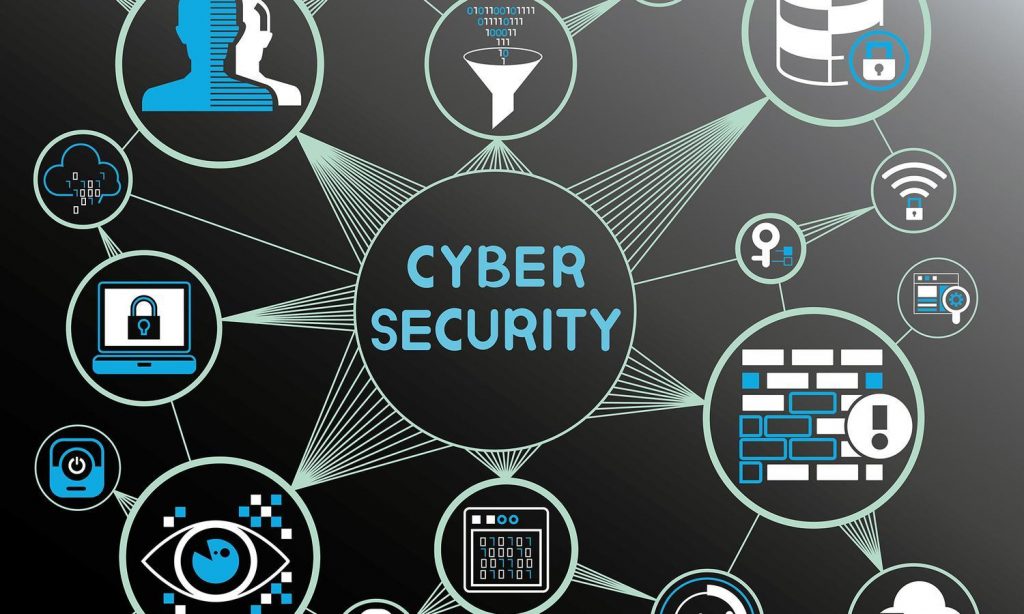
Companies use different systems to protect their data from cybercriminals. In spite of that there are tools that are not-negotiable, especially for companies that maintain large client and employee networks.
Since cybercrime rates have been constantly growing in recent years, the only way companies can be sure about their network data, is by using the latest protection software and constantly upgrading it and patching all network programs as well as operational systems on workstations. In this article we review some of the best know security software, every business network needs to have.
Intrusion Detection System
Most networks are protected with firewalls, whose main duty is to protect them from malware attacks. Although they can form solid first line of defense, firewalls are not very good at malware diagnostics. For this reason network administrators should use intrusion detection systems. These systems detect malicious software and provide all necessary information about the attack.
Intrusion detection systems can be categorized in several different ways. We can divide them into network based and host based group, with network based intrusion detection systems checking packages that flow around the network, while host based ones check individual computers that are attached to the network.
We can also classify this systems as passive and reactive. Passive ones only provide detection services, while reactive ones act as firewalls or antivirus systems if needed.
Remote Server Monitoring
This software enables network administrators to collect all information about apps and hardware running on various network client location. With all these information and diagnostics administrators can easily resolve different issues and keep network and all of its workstations and servers live and healthy.
Remote server monitoring is very practical for big IT companies that have wide networks of users. With improved diagnostics network administrators can easily fix all bugs and malware, even before network clients start experiencing troubles on their computers.
Many remote monitoring and management tools also have active maintenance features that can deploy OS updates, defragment hard disks, update anti-malware systems, and so on.
Next Generation Firewalls
All security equipment needs to be up to date, especially firewalls. Older firewalls that are also known as legacy firewalls, had very simple structures and commands. They only had two options to open or close the traffic flow. This type of protection in most cases was good enough to deal with basic security threats, until cyber criminals started using advanced methods for firewall penetration.
Today many files we download from the internet can be classified as gray, which means they are not explicitly good or bad. This type of files could easily penetrate old firewalls, which is why we now have much more advanced protection that can classify files by using long list of parameters. They can also inspect the newest apps, identify their users and provide protection from malware thats lurking behind apps we download.
Multi-level Authentication and Strong Passwords
Business networks usually contain very sensitive data. Thats why the use of ordinary passwords, is not good enough to stop hackers from breaking into these systems. All company employees should be advised to use very strong passwords. One of the ways to boost password strength is by using pass phrases, which are more or less meaningful phrases, which should be used instead of single words.
Multi-level authentication is another way to protect business networks. It can require digital certificates or public keys for the network access, which will make less-diligent and skillful hackers to continue their search for websites with less protection.
Mobile Device Management
Today many workers access business networks from their phones. These are also the most unsecure gadgets, because they are used for accessing unsecured Wi Fi networks. This means that hackers can access sensitive documents that are flowing in between business network users by hacking one of the employees phones.
Each company needs to have strong mobile device policy as well as mobile device management systems that can push OS patches and antivirus updates to all network phones. These systems can also lock devices in case they get lost or stolen.
Business networks are very popular among various types of hackers, which means that companies need to invest more money into protecting their systems and data. All security systems we mentioned above, wont provide desired results without conducting an elaborate security training for all company employees.